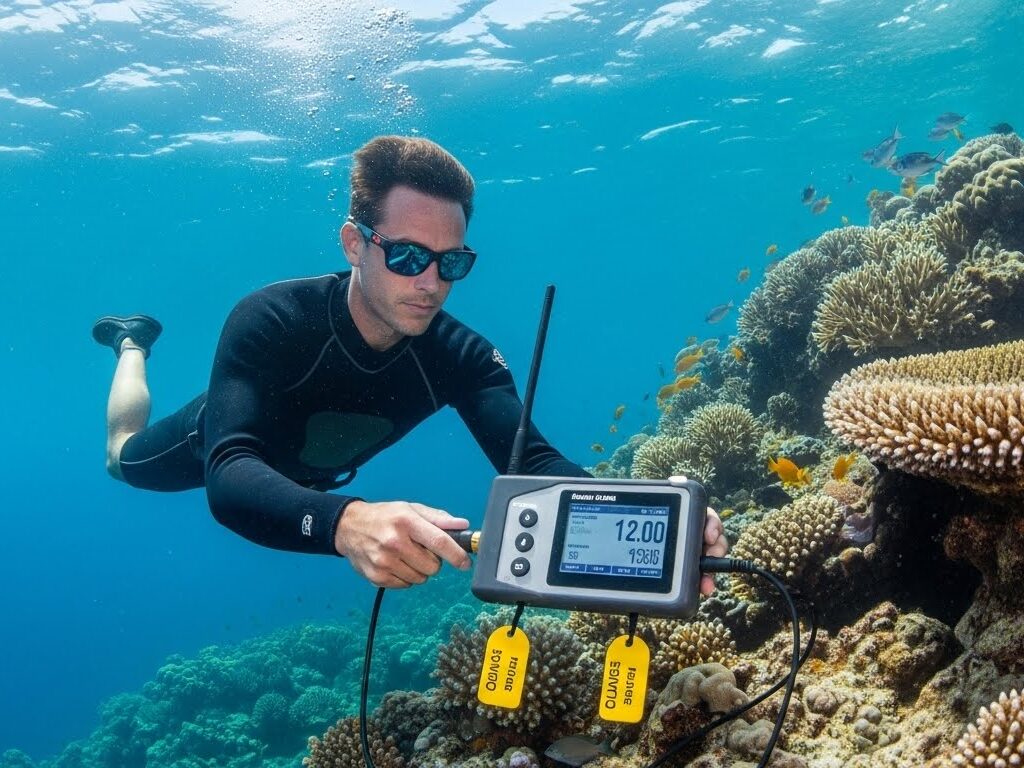

The diversity of aquatic life presents unique challenges for researchers seeking to monitor individual organisms across their lifespans. From tiny minnows weighing mere grams to massive sturgeon exceeding hundreds of kilograms, from streamlined pelagic species to bottom-dwelling flatfish, each species possesses distinctive anatomical features, physiological characteristics, and behavioral patterns that influence tagging success. Recognizing these differences, manufacturers and researchers have increasingly embraced species-specific approaches to fish tags design and deployment, resulting in improved identification reliability, reduced biological impacts, and enhanced data quality across diverse monitoring programs.
The Imperative for Customized Tagging Approaches
Early tagging programs often applied standardized methodologies across species with limited consideration for organism-specific requirements. This one-size-fits-all approach frequently resulted in suboptimal outcomes including elevated tag loss rates, altered behavior patterns, compromised growth trajectories, and increased mortality in sensitive species. As the field matured and researchers accumulated performance data across taxonomic groups, the limitations of generic tagging protocols became increasingly apparent.
Comparative studies examining tag retention across species revealed dramatic differences in outcomes. Research published in the Transactions of the American Fisheries Society documented retention rates exceeding 98% for salmonids tagged with appropriately sized transponders implanted in body cavities, while similar protocols applied to cyprinids yielded retention rates below 85%. These disparities reflected fundamental differences in body morphology, wound healing capabilities, and behavioral patterns that influence how organisms tolerate and retain implanted tags.
The recognition that tagging protocols must be tailored to specific species characteristics has driven innovations in tag design, implantation techniques, and monitoring methodologies. Contemporary best practices emphasize matching tag specifications to organism anatomy, selecting implantation sites that minimize functional impacts, employing surgical techniques appropriate to species physiology, and validating approaches through pilot studies before large-scale implementation.
Anatomical Considerations in Tag Design and Placement
The internal anatomy of fish varies substantially across taxonomic groups, creating species-specific constraints on optimal tag placement and size selection. Body cavity dimensions, organ arrangements, skeletal structures, and muscle distributions all influence where tags can be positioned without compromising vital functions or creating physical discomfort that alters natural behavior.
Salmonid species possess spacious body cavities that readily accommodate tags inserted through small ventral incisions anterior to the pelvic girdle. This placement situates tags in a location with minimal muscular interference, away from vital organs, and protected by the body wall from external impacts. Decades of research have validated this approach, demonstrating negligible impacts on swimming performance, growth rates, or survival when appropriately sized fish tags are employed.
Conversely, cyprinid species including minnows and carp have more compact body cavities with less available space for tag insertion. The proximity of internal organs and the gas bladder creates additional placement challenges. Research has shown that tags positioned too posteriorly can interfere with gas bladder function, affecting buoyancy regulation and swimming efficiency. Optimal placement for cyprinids typically involves more anterior positioning, requiring careful surgical technique to avoid damage to sensitive structures.
Flatfish present unique anatomical challenges due to their laterally compressed body shapes and asymmetric organ arrangements. Traditional ventral implantation approaches used for round-bodied fishes are often inappropriate. Studies examining flatfish tagging have identified species-specific optimal placement sites that accommodate their distinctive anatomy while maintaining tag retention and minimizing behavioral impacts.
Size Scaling Principles for Diverse Body Morphologies
Establishing appropriate tag-to-body size ratios represents a critical factor in successful tagging programs. While general guidelines suggest limiting tag burden to 2% of body mass and tag length to 10% of body length, these rules provide only rough approximations. Species-specific considerations including body shape, swimming mode, and life history strategy require more nuanced approaches to tag selection.
Fusiform-bodied active swimmers including salmon, trout, and tuna can typically tolerate relatively larger tags than deep-bodied or compressed species of equivalent mass. The streamlined body shape distributes hydrodynamic drag more effectively, minimizing swimming cost increases associated with implanted tags. Research using swim tunnel respirometry has quantified these relationships, demonstrating that streamlined species maintain normal swimming performance with tag burdens that would significantly impact less hydrodynamically efficient body forms.
Anguilliform species including eels and lamprey present opposite challenges. Despite their elongate body shape, these species rely on undulatory swimming modes where body flexibility is critical to propulsion efficiency. Rigid tags positioned incorrectly can interfere with the lateral bending required for effective swimming. Studies of lamprey tagging have identified optimal placement sites in the anterior body cavity where tags minimally restrict the posterior body movements essential for locomotion.
Sedentary benthic species may tolerate proportionally larger tags than active pelagic species of similar size, as they experience lower hydrodynamic demands. However, these species often have different sensitivities to surgical stress and wound healing complications that must be considered. Species-specific pilot studies remain essential for establishing appropriate protocols.
Physiological Compatibility and Biocompatibility Testing
Beyond mechanical considerations, the physiological compatibility between tags and host organisms influences long-term tagging success. Fish immune systems vary substantially across species in their responses to implanted foreign materials, affecting wound healing rates, encapsulation processes, and the potential for chronic inflammation that could compromise organism health.
Salmonid species generally exhibit robust wound healing and rapid encapsulation of implanted tags within fibrous tissue capsules that stabilize the tags and isolate them from surrounding tissues. Histological studies examining tissues surrounding implanted fish tags in rainbow trout found complete epithelialization of incision sites within 7-10 days and mature fibrous capsules within 3-4 weeks, with minimal ongoing inflammatory response.
Some species demonstrate heightened inflammatory responses to implanted materials. Research on certain catfish species documented prolonged inflammatory reactions surrounding tags, with elevated immune cell counts persisting for months post-implantation. While these responses rarely result in tag rejection or mortality, they represent metabolic costs that could theoretically affect growth or reproductive output in extreme cases.
Temperature-dependent immune function adds another layer of complexity to species-specific tagging considerations. Cold-water species experience suppressed immune responses at low temperatures, potentially slowing wound healing and increasing infection risk when tagging occurs during cold periods. Conversely, tagging warm-water species during temperature extremes may trigger excessive inflammatory responses. Timing tagging activities to coincide with moderate temperatures appropriate to species thermal biology optimizes healing outcomes.
Behavioral Considerations and Tag Detection Optimization
Species-specific behavioral patterns influence both the immediate impacts of tagging procedures and long-term detection probabilities in monitoring programs. Understanding these behavioral dimensions enables researchers to refine protocols that maximize data quality while minimizing disturbance to study organisms.
Schooling species may experience social consequences from tagging-related behavioral changes. Research has documented temporary alterations in swimming patterns immediately post-tagging as individuals recover from handling stress and surgical procedures. For schooling species, these behavioral changes could result in social exclusion from groups, increasing predation vulnerability or reducing foraging efficiency. Minimizing handling time and surgical duration helps reduce the magnitude and duration of behavioral disruptions.
Substrate-spawning species including many salmonids and cyprinids engage in vigorous digging behaviors during reproduction, creating redds in gravel substrates where eggs are deposited and fertilized. These activities subject fish tags to substantial mechanical stresses as fish repeatedly strike gravel with their bodies. Tag retention studies conducted across spawning periods provide species-specific data on how well different tag types withstand these demanding conditions.
Detection probability in passive monitoring systems depends partly on species-specific movement patterns and habitat use. Highly mobile species frequently passing detection stations accumulate detection records rapidly, enabling precise survival estimation even with moderate detection efficiencies. Conversely, sedentary species may occupy territories distant from detection infrastructure for extended periods, creating large temporal gaps in detection histories. Understanding these behavioral patterns informs monitoring system design and statistical analysis approaches.
Swimming Performance and Energetic Impacts
The influence of fish tags on swimming performance represents a critical concern for species relying on sustained migration or those occupying high-flow environments where swimming efficiency directly affects fitness. Hydrodynamic effects of internal tags are generally minimal compared to external attachments, but species-specific differences in swimming mode and energetic constraints warrant careful evaluation.
Swim tunnel studies provide quantitative assessments of tagging impacts on aerobic swimming performance. These experiments measure oxygen consumption rates at different swimming speeds, comparing tagged and untagged individuals to detect performance decrements. A comprehensive study examining multiple salmonid species found that appropriately sized internal tags increased swimming costs by less than 5% across the aerobic swimming range, a negligible effect unlikely to compromise migration success or foraging efficiency.
Burst swimming performance, critical for predator evasion and prey capture, may be more sensitive to tagging effects than sustained swimming. Fast-start kinematics involve rapid body accelerations and tight turning maneuvers where internal tag movement within body cavities could theoretically affect performance. However, comparative studies of fast-start responses in tagged versus untagged fish have generally found minimal differences once initial post-surgical recovery periods have elapsed.
Species undertaking extensive migrations present special concerns regarding cumulative energetic costs over long distances. Even modest increases in swimming costs, if sustained across hundreds or thousands of kilometers, could translate into measurable impacts on arrival conditions or survival. Long-term tracking studies comparing migration success and spawning ground arrival rates between tagged and untagged cohorts provide the most definitive evidence that fish tags, when properly applied, do not compromise migration outcomes for robust species.
Life Stage Considerations and Growth Accommodation
The relationship between fish tags and host organisms evolves as tagged individuals grow, creating life stage-specific considerations for tagging program design. Tags that represent appropriate burdens when first implanted in juvenile fish may become proportionally smaller as individuals grow, while potential complications include tag migration within expanding body cavities or tissue responses to tags that shift position.
Juvenile tagging programs must balance the benefits of marking individuals at early life stages against the challenges of working with small, delicate organisms. Technological advances in tag miniaturization have progressively lowered the minimum size threshold for safe tagging. Current protocols enable tagging of salmonid juveniles as small as 55-60mm fork length, capturing individuals prior to downstream migration and enabling critical early life-stage survival estimation.
Growth studies tracking tagged cohorts through time provide essential validation data for juvenile tagging programs. These investigations document whether tagged individuals exhibit growth trajectories comparable to untagged controls, or if tagging introduces growth penalties that could bias demographic analyses. Meta-analyses synthesizing results across multiple studies have generally found negligible long-term growth effects when appropriate tag sizes and surgical techniques are employed, though short-term growth reductions during immediate post-surgical recovery periods are common.
Tag migration within body cavities represents an occasional complication as fish grow. Tags initially positioned in anterior body cavity locations may shift posteriorly in rapidly growing individuals. While tag migration rarely causes functional problems, it can complicate surgical tag removal efforts in programs where tag recovery is desired. Some researchers employ small sutures anchoring tags to internal structures, though this approach increases surgical complexity and tissue trauma.
External Tag Alternatives for Specialized Applications
While internal tagging represents the gold standard for long-term individual identification in most contexts, certain species characteristics or research objectives favor external fish tags alternatives. Armored species with thick scales or bony plates may be difficult to tag internally, while species where internal tagging triggers unacceptable stress responses require different approaches.
Dart tags anchored through the dorsal musculature provide external alternatives suitable for large-bodied species. These tags remain visible for identification through recapture or observation, though retention rates are generally lower than internal tags. Sturgeon research programs have successfully employed external tags in combination with internal transponders, leveraging the visibility advantages of external markers while maintaining the permanent identification provided by internal tags.
Acoustic telemetry tags surgically implanted in body cavities provide enhanced tracking capabilities including fine-scale positioning and behavioral data. These active tags transmit coded ultrasonic signals detected by underwater receivers, enabling detailed movement reconstructions. However, battery limitations restrict operational lifespan to months or years rather than decades. Species-specific considerations including body cavity dimensions, depth ranges, and movement patterns influence acoustic tag selection and placement protocols.
Finray marking through injection of visible implant elastomer provides yet another identification approach suitable for certain species and applications. This minimally invasive technique involves injecting colored elastomer material into translucent fin rays where it remains visible. While less permanent than internal tags and limited to species with appropriate fin structures, finray marking offers advantages for short-term studies or situations where tagging stress must be absolutely minimized.
Standardization Efforts and Best Practice Guidelines
The proliferation of species-specific tagging approaches has created needs for standardization and best practice documentation to ensure data quality and facilitate comparisons across studies. Professional societies including the American Fisheries Society have developed comprehensive tagging guidelines that synthesize current knowledge and provide species-specific recommendations.
These guidelines address tag selection criteria, surgical techniques, anesthesia protocols, recovery procedures, and performance evaluation metrics. By documenting established best practices, they provide researchers with evidence-based starting points for developing study-specific protocols while highlighting areas where species-specific modifications may be necessary.
Collaborative research networks have emerged to coordinate tagging methodology development and validation across institutions. These consortia conduct comparative studies evaluating alternative approaches, share performance data from operational programs, and develop consensus protocols for widespread adoption. The benefits include improved data comparability across studies, reduced duplication of validation efforts, and accelerated identification of superior methodologies.
Standardized reporting frameworks ensure that published studies provide sufficient methodological detail to enable replication and meta-analysis. Key information includes precise tag specifications, detailed surgical procedures, handling and recovery protocols, water quality parameters during procedures, and comprehensive performance metrics including retention rates, survival curves, and behavioral observations. This transparency enables critical evaluation of study quality and facilitates learning across the research community.
Future Directions in Species-Adapted Tag Technology
Ongoing innovations continue to enhance the species-specificity of fish tags and deployment methodologies. Researchers are exploring tags with morphologies optimized for particular body shapes, materials selected for compatibility with specific tissue types, and surface treatments that encourage species-appropriate encapsulation responses.
Bioabsorbable tags represent an emerging technology with potential advantages for certain applications. These tags function for predetermined periods before degrading and being absorbed by the host organism, eliminating permanent retention of foreign materials. While current bioabsorbable tag technology cannot match the multi-decadal operational life of glass-encapsulated transponders, continued development may yield options suitable for short-to-medium term studies where permanent marking is unnecessary or undesirable.
Advanced manufacturing techniques including 3D printing enable customized tag production tailored to specific species requirements. Researchers could potentially design tags with precisely optimized geometries for particular body cavity shapes, or create tags with integrated features addressing species-specific challenges. While currently cost-prohibitive for large-scale programs, these approaches may become economically viable as manufacturing technologies mature.
Integration of multiple technologies into hybrid tagging approaches offers enhanced capabilities for complex research objectives. Combining passive identification transponders with data logging sensors, acoustic transmitters, or satellite tags creates comprehensive monitoring systems providing both permanent identification and detailed behavioral/environmental data. Species-specific considerations including tag burden limits and available implantation sites guide the selection of compatible technologies.
Conclusion
The evolution toward species-specific design in fish tags reflects maturation of the field from generic approaches toward nuanced methodologies that acknowledge the extraordinary diversity of aquatic life. By carefully considering anatomical constraints, physiological compatibility, behavioral ecology, and life history variation, researchers can optimize tagging protocols that maximize data quality while minimizing impacts on study organisms. As technologies continue advancing and knowledge accumulates, the sophistication of species-adapted tagging approaches will further improve, enabling increasingly ambitious monitoring programs that generate the high-quality data essential for effective aquatic resource management and conservation in an era of rapid environmental change.