
Landscaping offers aesthetic appeal, environmental benefits, and personal enjoyment, yet it requires careful planning for allergy sufferers. Bees, while essential pollinators, can trigger allergic reactions when they interact with flowers and foliage in residential gardens. Individuals prone to stings or pollen sensitivity must balance environmental responsibility with personal safety. Bee-safe landscaping incorporates strategies that reduce risk without harming local pollinator populations, allowing gardens to thrive harmoniously. Understanding plant selection, garden design, and seasonal planning helps create outdoor spaces that minimize direct bee encounters. This article explores practical approaches for allergy-conscious landscaping, emphasizing protective measures, plant alternatives, and habitat management. By implementing these strategies, homeowners can enjoy outdoor areas while supporting bee health and ensuring personal safety.
Understanding Bee Behavior and Allergy Risks
Bee activity naturally concentrates around flowering plants, water sources, and shaded resting areas, increasing exposure risk for allergy sufferers. Understanding this behavior allows homeowners to anticipate potential encounters and design safer landscapes. Bees are generally non-aggressive when foraging but may sting if threatened or disturbed. Additionally, pollen-laden plants attract both bees and windborne allergens, potentially exacerbating allergic reactions. Recognizing the seasonal patterns of local pollinators can help guide planting schedules and maintenance activities. Spring and early summer usually correspond to peak bee activity, making early planning crucial for allergy management. By integrating behavioral insights into landscape design, individuals can reduce unintended interactions while promoting safe coexistence.
Combining observation with strategic plant selection supports effective mitigation of bee-related allergy risks without compromising garden vitality. Homeowners should also consider timing garden tasks carefully, performing pruning, watering, or planting during periods of minimal bee activity to further reduce risk. Creating designated safe zones for children or pets within the garden ensures limited exposure while still allowing enjoyment of outdoor spaces. Monitoring daily weather patterns can also influence bee presence, as bees are more active during warm, sunny periods and less so in cooler or windy conditions. These additional precautions, combined with thoughtful plant and layout choices, strengthen overall allergy management strategies while maintaining a healthy, thriving landscape.
Plant Selection for Bee-Safe Gardens
Choosing the right plants forms the foundation of bee-safe landscaping, providing beauty while minimizing allergy triggers. Opting for low-pollen species reduces exposure to airborne allergens, particularly for individuals with heightened sensitivity. Certain native shrubs, grasses, and non-fragrant perennials are less likely to attract large numbers of bees. Incorporating groundcovers and foliage-heavy plants can provide greenery without concentrated floral pollen production. It is equally important to avoid brightly colored, highly fragrant flowers near high-traffic areas, as these features tend to draw foraging bees.
By thoughtfully distributing flowering plants throughout the garden, homeowners can maintain aesthetics while controlling potential bee congregation zones. Pairing low-attraction species with visually appealing alternatives ensures that landscapes remain engaging without compromising personal safety. Furthermore, spacing plants strategically around walkways, patios, and seating areas enhances protection for allergy sufferers. This approach emphasizes preventive design rather than reactive management, fostering enjoyable and safe outdoor experiences.
Garden Design and Maintenance Strategies
Effective bee-safe landscaping extends beyond plant selection, incorporating layout, structural elements, and routine care to minimize bee encounters. Placing flowering plants away from doors, windows, and patios reduces direct exposure for residents and guests. Pathways and open spaces should be maintained clearly, allowing safe movement without disturbing bee flight paths. Seasonal pruning, removal of dead blooms, and careful debris management decrease nesting opportunities near frequently used areas. Mulching and soil treatments may further limit bee nesting without harming pollinators. Water features should be monitored to avoid stagnant areas that attract bees for hydration purposes.
Additionally, using light-colored furniture or reflective surfaces can prevent unintentional attraction due to sunlight reflections. Strategic use of hedges or low barriers can subtly guide bee movement away from high-traffic zones, further reducing accidental interactions. Incorporating raised garden beds or container plantings can elevate floral displays, keeping blooms out of immediate pathways and enhancing overall safety. Combined, these design and maintenance strategies form a comprehensive approach to minimizing bee presence while sustaining a visually appealing garden. Regular observation ensures adjustments can be made in response to seasonal variations in bee activity. Consistently reviewing plant health, bloom cycles, and emerging bee behaviors enables proactive interventions that maintain both allergy safety and ecological responsibility, ensuring long-term enjoyment of outdoor spaces.
When to Consider Professional Assistance
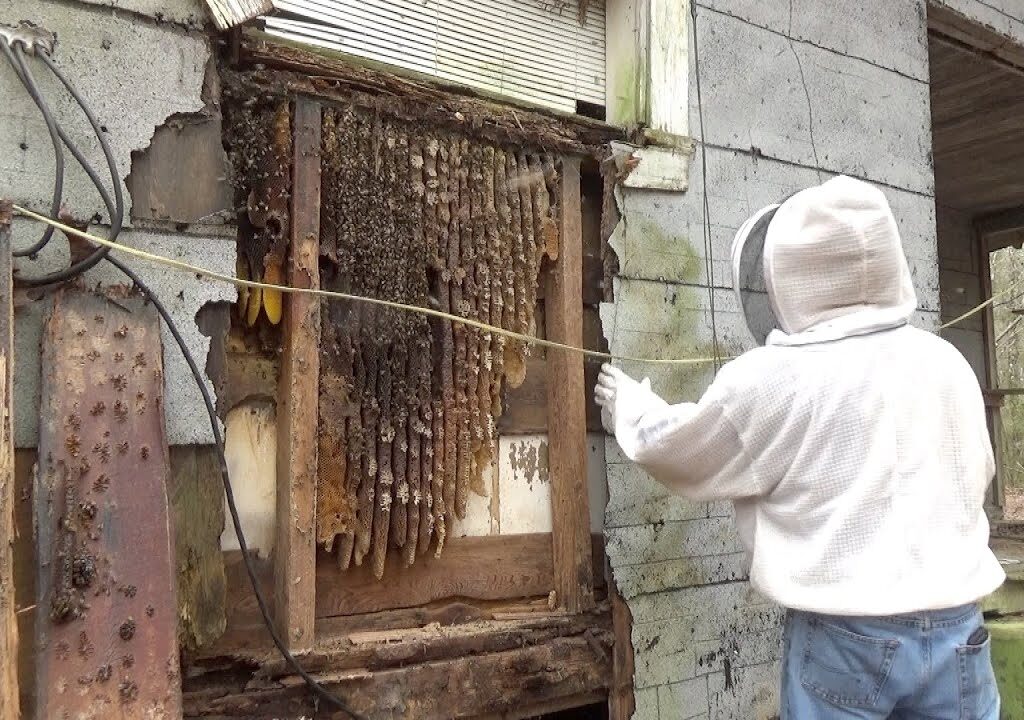
Despite thorough planning and preventive measures, some situations may require professional intervention for persistent bee presence or nesting near residential areas. In cases where hives are established close to the home or high-traffic zones, contacting a specialized residential bee removal service in Los Angeles ensures safe, humane relocation. Professionals provide expertise in hive identification, extraction techniques, and protective procedures, reducing risk for allergy sufferers.
Additionally, expert assessment identifies hidden attractants, such as structural gaps or nearby flowering clusters, facilitating long-term prevention strategies. Engaging professionals complements proactive garden design and maintenance, providing an integrated approach to bee-safe landscaping. Homeowners benefit from guidance on seasonal monitoring, deterrent techniques, and education regarding pollinator-safe coexistence. Timely intervention by trained experts ultimately enhances safety while preserving the ecological importance of local bee populations.
Maintaining Long-Term Bee-Safe
Maintaining bee-safe landscapes requires consistent observation, adaptive planning, and seasonal adjustments to prevent accidental encounters. Gardeners should monitor flowering cycles, bee activity patterns, and emerging nesting opportunities throughout the year. Incorporating new low-pollen or non-attractive plant species over time supports long-term risk reduction. Educating household members on safe outdoor behaviors further reduces accidental stings or allergic reactions. Integrating preventive strategies with structural planning, habitat management, and professional consultation fosters resilient, bee-safe environments.
Consistency and vigilance allow allergy sufferers to enjoy outdoor spaces without fear, while simultaneously supporting pollinator conservation. Over time, these practices develop into habitual care routines, blending safety with environmental stewardship. By prioritizing adaptive management, residents can create landscapes that remain both visually appealing and safe for allergy-sensitive individuals. This balance ensures gardens thrive while aligning with broader ecological and health-conscious goals.