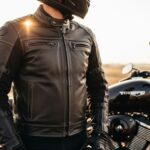

Biker apparel has evolved alongside motorcycles themselves, yet certain design philosophies, materials, and construction methods have remained remarkably consistent over decades. These enduring trends are not driven by fashion cycles but by functional necessity, rider safety, and manufacturing realities. Professional motorcycle apparel manufacturers continue to rely on time-tested materials such as cowhide leather and engineered textiles because they deliver predictable performance under real-world riding conditions.
Understanding why specific biker apparel trends persist requires examining leather grades, hide thickness, tanning methods, and textile engineering standards used in modern production. This article provides a comprehensive, fact-driven analysis of the biker apparel elements that have proven durable across generations, with a focused examination of breathable leather riding jackets and soft textile riding jackets that remain relevant in contemporary riding environments.
The Enduring Role of Leather in Biker Apparel
Cowhide Types Used in Professional Manufacturing
Cowhide remains the dominant leather used in motorcycle apparel due to its balance of abrasion resistance, tensile strength, and availability. Professional manufacturers typically work with three primary cowhide categories:
- Full-grain cowhide: Retains the natural grain layer, offering maximum durability and abrasion resistance. Commonly used in premium jackets designed for long-term use.
- Top-grain cowhide: Sanded slightly to remove surface imperfections, resulting in a more uniform appearance while maintaining structural integrity.
- Split cowhide: Derived from the lower layers of the hide; often coated or embossed for aesthetic consistency but used less frequently in protective riding gear.
These hide selections are driven by performance benchmarks rather than aesthetics, reinforcing leather’s long-standing role in biker apparel.
Leather Thickness Standards and Their Longevity
Leather thickness is measured in millimeters and directly correlates with impact and abrasion resistance. Industry-standard motorcycle jackets typically use hides ranging from 1.1 mm to 1.4 mm. Thicker leather provides superior slide protection, while slightly thinner profiles improve flexibility and comfort for extended rides. This balance between protection and wearability explains why leather jackets designed decades ago remain structurally similar to modern offerings.
Tanning Methods That Preserve Long-Term Performance
The tanning process stabilizes raw hides and determines their long-term performance characteristics:
- Vegetable tanning: Uses natural tannins from plant matter. Produces firmer leather with a longer break-in period, historically favored in early biker jackets.
- Chrome tanning: Employs chromium salts, resulting in softer, more flexible leather with improved resistance to moisture and heat.
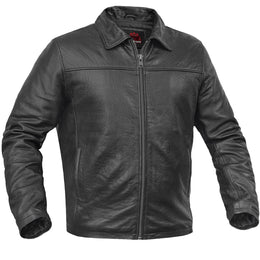
Most contemporary breathable leather riding jacket designs rely on chrome-tanned cowhide combined with mechanical perforation or micro-ventilation panels to enhance airflow while maintaining protective integrity.
Authoritative references on leather processing standards can be found through educational resources such as Wikipedia’s documentation on leather tanning methods, which outlines industry-accepted practices and environmental considerations.
Breathable Leather Jackets as a Timeless Trend
Functional Design Principles
The breathable leather riding jacket represents a modern refinement of a classic concept rather than a departure from tradition. Manufacturers integrate airflow management techniques while preserving leather’s inherent protective advantages. These techniques include:
- Strategically placed perforation zones
- Ventilation zippers backed by mesh
- Moisture-wicking interior liners
These design elements are applied during pattern engineering to ensure ventilation does not compromise abrasion resistance at high-impact zones.
For professionally manufactured options reflecting these enduring standards, reference collections such as the breathable leather riding jacket category, which demonstrates how legacy leather construction is adapted for modern riding conditions.
Textile Riding Apparel and Its Proven Staying Power
Evolution of Textile Materials
Textile motorcycle jackets emerged to address climate variability, weight reduction, and cost efficiency. Early nylon-based designs have evolved into multi-layer systems incorporating:
- High-denier polyester or Cordura®-style fabrics
- Waterproof and breathable membranes
- Removable thermal liners
Despite material innovation, the foundational concept of layered textile protection has remained consistent for decades.
Why Soft Textile Jackets Persist
The soft textile riding jacket continues to hold relevance because it fulfills specific rider needs that leather cannot fully address. Textile jackets offer improved flexibility, reduced break-in time, and adaptability across diverse weather conditions. Professional manufacturers design these garments to meet standardized abrasion benchmarks while prioritizing comfort for commuting and touring riders.
Examples of contemporary applications of this enduring trend can be observed in collections such as the soft textile riding jacket category, which reflects established textile engineering principles rather than short-term fashion shifts.
Expert Insights and Best Practices in Apparel Manufacturing
Pattern Engineering for Riding Posture
One consistent trend across time is ergonomic pattern design. Jackets are engineered with:
- Pre-curved sleeves to match handlebar reach
- Extended back panels to prevent exposure while seated
- Reinforced stress zones at shoulders and elbows
These features originated in early biker gear and remain standard practice due to proven effectiveness.
Stitching and Seam Integrity Standards
Professional manufacturers rely on:
- High stitch-per-inch counts
- Bonded nylon or polyester thread
- Double- or triple-stitched seams in impact zones
These practices are derived from long-standing industry experience and validated through wear testing and rider feedback.
Common Mistakes and Misconceptions
Newer Materials Always Replace Older Ones
While materials evolve, older constructions persist because they meet safety and durability benchmarks reliably. Leather and structured textiles remain dominant due to measurable performance advantages.
Breathability Reduces Protection
When properly engineered, ventilation features do not compromise jacket integrity. Professional designs maintain full-thickness leather or reinforced textile layers in critical zones.
Conclusion
Biker apparel trends that endure are rooted in material science, manufacturing discipline, and real-world rider experience. Cowhide leather, proven tanning methods, ergonomic pattern engineering, and layered textile systems continue to define motorcycle jackets because they consistently meet safety, durability, and comfort requirements. Both leather and textile riding jackets demonstrate that longevity in biker apparel is achieved through performance-driven design rather than stylistic reinvention. As a result, these foundational trends remain central to professional motorcycle apparel manufacturing and rider trust worldwide.
FAQs
1. Why has leather remained dominant in biker apparel for decades?
Leather offers unmatched abrasion resistance and predictable wear behavior, making it reliable across generations of riders.
2. What leather thickness is considered optimal for motorcycle jackets?
Most professional jackets use 1.1–1.4 mm cowhide to balance protection and comfort.
3. How does tanning affect jacket longevity?
Chrome tanning improves flexibility and moisture resistance, extending usable lifespan under varied riding conditions.
4. Are textile jackets as protective as leather?
High-quality textile jackets can meet abrasion standards, though leather typically performs better in extended slide scenarios.
5. What makes breathable leather jackets effective?
Controlled perforation and ventilation panels enhance airflow without reducing impact-zone protection.
6. Why do touring riders prefer textile jackets?
Textile jackets offer adaptability through liners and membranes, making them suitable for changing climates.
7. Do classic biker jacket designs still meet modern safety expectations?
Yes, when manufactured using current stitching, armor integration, and material standards.
8. How do manufacturers test jacket durability?
Testing includes abrasion simulations, seam stress testing, and real-world rider evaluations.
9. Is softer leather less protective?
Softness results from tanning and finishing; protection depends on hide thickness and construction quality.
10. Why do timeless designs outperform trend-driven styles?
They are based on functional necessity rather than aesthetics, ensuring long-term relevance.