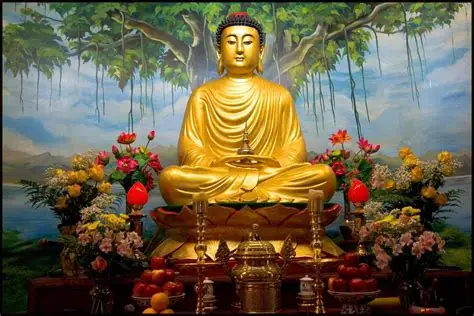

India, the birthplace of Buddhism, is home to countless sacred sites, monasteries, and traditions that continue to inspire millions of people worldwide. Exploring Buddhist Festivals in India offers travelers and devotees a chance to witness rituals, performances, and spiritual practices that embody peace, compassion, and mindfulness. Beyond its historic monuments and pilgrimage destinations, the country also hosts vibrant festivals that celebrate the teachings of Lord Buddha and the rich cultural heritage of Buddhism.
Why Experience Buddhist Festivals in India?
- Spiritual enrichment: Festivals commemorate key events in Buddha’s life, offering opportunities for meditation and reflection.
- Cultural immersion: Witness traditional dances, chants, and rituals performed by monks and local communities.
- Community bonding: Festivals bring together pilgrims, tourists, and locals in shared celebrations.
- Unique experiences: Each festival has its own charm, from colorful processions to serene prayer ceremonies.
- Global appeal: Pilgrims and tourists from across the world attend these festivals, making them vibrant cultural exchanges.
Major Buddhist Festivals in India
1. Buddha Purnima (Vesak)
Buddha Purnima, also known as Vesak, is the most important Buddhist festival celebrated across India. It marks the birth, enlightenment, and Mahaparinirvana (death) of Lord Buddha. Observed on the full moon day in April or May, the festival is celebrated in Bodh Gaya, Sarnath, Kushinagar, and other Buddhist sites. Devotees offer prayers, meditate, and participate in processions. Temples are decorated, and sermons on Buddha’s teachings are delivered.
2. Hemis Festival, Ladakh
Held at Hemis Monastery in Ladakh, this two-day festival in June or July honors Guru Padmasambhava, who spread Buddhism in the Himalayas. The highlight is the Cham dance, performed by monks wearing colorful masks and costumes. The festival attracts thousands of tourists and pilgrims, offering a blend of spirituality and cultural spectacle.
3. Losar Festival (Tibetan New Year)
Celebrated in Ladakh, Himachal Pradesh, and Arunachal Pradesh, Losar marks the Tibetan New Year. It usually falls in February or March and lasts for several days. Rituals include prayers, dances, and feasts. Monasteries are decorated, and people exchange greetings and gifts. Losar reflects the deep Tibetan Buddhist influence in India.
4. Phuntsok Ling Festival, Arunachal Pradesh
This festival is celebrated in monasteries across Arunachal Pradesh, featuring masked dances, rituals, and prayers. It honors Buddhist deities and emphasizes the victory of good over evil. The vibrant costumes and chants create a mesmerizing atmosphere.
5. Saga Dawa Festival, Sikkim
Saga Dawa, celebrated in May or June, commemorates Buddha’s birth, enlightenment, and death. Monks perform rituals, and devotees engage in charitable acts. In Sikkim, processions with holy scriptures and relics are carried through towns, spreading blessings.
6. Thiksey Gustor Festival, Ladakh
Held at Thiksey Monastery in October or November, Gustor symbolizes the victory of good over evil. Monks perform Cham dances, and rituals are conducted to ward off negativity. The festival ends with the symbolic destruction of an effigy representing evil forces.
7. Tawang Festival, Arunachal Pradesh
Celebrated at Tawang Monastery, this festival showcases Buddhist rituals, dances, and cultural performances. It also includes exhibitions of local crafts and cuisine, making it a blend of spirituality and regional culture.
8. Kagyed Dance Festival, Sikkim
Held in December, this festival features masked dances performed by monks to drive away evil spirits and welcome the new year. It is celebrated in monasteries like Rumtek and Phodong, attracting both locals and tourists.
9. Dharamshala Monastic Festivals, Himachal Pradesh
Dharamshala, home to the Dalai Lama, hosts several Buddhist festivals throughout the year. These include prayer ceremonies, teachings, and cultural performances that reflect Tibetan Buddhist traditions.
10. Kalachakra Festival
Organized occasionally in Bodh Gaya, the Kalachakra initiation is a major Buddhist event led by the Dalai Lama. It involves rituals, teachings, and meditation practices, attracting thousands of devotees from around the world.
Rituals and Traditions During Buddhist Festivals
- Prayer ceremonies: Monks chant sutras and perform rituals to invoke blessings.
- Meditation sessions: Devotees engage in mindfulness practices.
- Cham dances: Masked dances performed by monks symbolize the triumph of good over evil.
- Offerings: Flowers, incense, and lamps are offered at temples and stupas.
- Charity: Acts of kindness, donations, and community service are encouraged.
- Processions: Sacred relics and scriptures are carried through towns.
Best Places to Experience Buddhist Festivals in India
- Bodh Gaya, Bihar: Buddha Purnima and Kalachakra Festival.
- Sarnath, Uttar Pradesh: Buddha Purnima celebrations.
- Kushinagar, Uttar Pradesh: Mahaparinirvana commemorations.
- Ladakh, Jammu & Kashmir: Hemis, Thiksey Gustor, and Losar festivals.
- Sikkim: Saga Dawa and Kagyed Dance Festival.
- Arunachal Pradesh: Tawang and Phuntsok Ling festivals.
- Himachal Pradesh: Dharamshala monastic festivals.
- Maharashtra: Ajanta and Ellora heritage celebrations linked to Buddhist art.
Unique Experiences at Buddhist Festivals
- Meditating under the Bodhi tree during Buddha Purnima in Bodh Gaya.
- Watching Cham dances at Hemis and Thiksey monasteries.
- Participating in Losar feasts in Ladakh and Himachal Pradesh.
- Joining processions in Sikkim during Saga Dawa.
- Witnessing Kalachakra initiation led by the Dalai Lama in Bodh Gaya.
- Exploring monastery fairs in Tawang and Dharamshala.
Tips for Attending Buddhist Festivals in India
- Plan ahead: Festivals attract large crowds, so book accommodations early.
- Respect traditions: Dress modestly and follow monastery rules.
- Engage with locals: Learn about rituals and practices from monks and devotees.
- Capture memories: Photography is allowed in many festivals, but always seek permission.
- Travel light: Carry essentials like warm clothing, water, and meditation mats.
- Be mindful: Participate in meditation and charity to embrace the spirit of Buddhism.
Why Buddhist Festivals in India Are Worth Experiencing
These festivals are not just cultural events—they are spiritual journeys. They offer travelers a chance to connect with Buddhist teachings, witness vibrant traditions, and experience peace and mindfulness. Whether you are a pilgrim, a history lover, or a curious traveler, Buddhist festivals in India promise meaningful experiences and unforgettable memories.
Conclusion
India’s Buddhist heritage is vast and profound, and its festivals bring that heritage to life. By attending Buddhist Festivals in India, you can immerse yourself in rituals, dances, and teachings that celebrate peace, compassion, and mindfulness. From Bodh Gaya’s Buddha Purnima to Ladakh’s Hemis Festival, each celebration tells a story of spirituality and culture. So plan your journey, embrace the teachings, and discover the vibrant Buddhist festivals that make India a truly unique destination.