
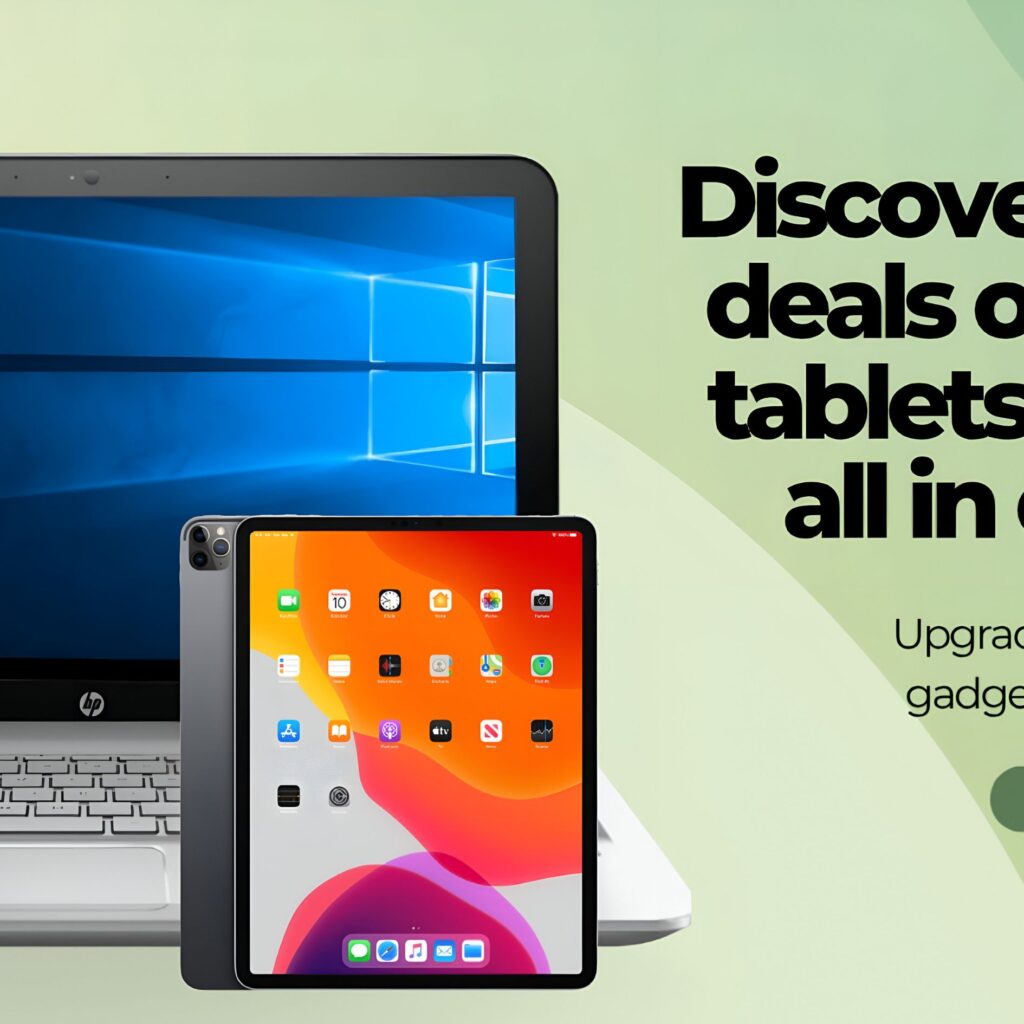

The electronics market has transformed dramatically over the past few years, and if you’re looking to upgrade your tech without emptying your wallet, you’ve picked the perfect time to dive into the secondhand market. I’ve spent years analysing consumer behaviour and market trends, and I can tell you with absolute certainty that 2026 offers unprecedented opportunities for savvy buyers who know where to look.
Let me be straight with you: buying cheap used electronics isn’t about settling for second-best anymore. The stigma that once surrounded refurbished devices has largely evaporated, replaced by a growing understanding that quality pre-owned tech can deliver exceptional value. With flagship smartphones costing upwards of $2,000 and laptops easily exceeding $3,000, the appeal of certified refurbished alternatives has never been stronger.
The secondhand electronics industry reached $65 billion globally in 2025, and analysts project it’ll hit $95 billion by 2028. These aren’t just numbers on a spreadsheet; they represent a fundamental shift in how consumers approach technology purchases. Australians, in particular, have embraced this trend with remarkable enthusiasm, driven by both economic sensibility and increasing environmental awareness.
The Rise of Certified Refurbishment Programs
Major manufacturers have finally woken up to the reality that consumers want affordable options without compromising on quality. Apple’s Certified Refurbished program has set the industry standard, offering devices that undergo rigorous testing and come with warranties comparable to new products. Samsung, Dell, and Lenovo have followed suit with equally impressive programs.
Here’s what makes these manufacturer programs worth your attention: every device receives a complete diagnostic evaluation, faulty components get replaced with genuine parts, and you receive the same warranty coverage as new purchases. I’ve personally purchased three refurbished MacBook Pros over the past five years, and each one has performed flawlessly.
The key difference between buying directly from manufacturers versus third-party sellers lies in accountability. When you purchase from Apple or Samsung’s official refurbishment channels, you’re getting devices that meet the company’s own quality standards. That’s a level of assurance you simply can’t find everywhere.
Where Smart Buyers Are Shopping in 2026
Manufacturer Direct Channels
Apple, Samsung, Microsoft, and other major brands now dedicate significant resources to their refurbishment operations. Apple’s Australian online store regularly stocks refurbished iPads at 30-40% below retail prices, whilst Samsung offers similar discounts on Galaxy devices and home appliances.
The advantage here goes beyond just pricing. These programs typically include new batteries for devices where degradation might be a concern, pristine outer casings, and complete accessory packages. You’re essentially getting a nearly new device at a significant discount.
Specialised Refurbishment Retailers
Companies like Reebelo, Phonebot, and Recompute have carved out substantial market share in Australia by focusing exclusively on refurbished electronics. These businesses have built their reputations on quality control and customer service, often providing more personalized attention than larger retailers.
Reebelo, for instance, offers a 30-day return policy and 12-month warranty on most products. They’ve processed over 500,000 devices since launching, and their customer satisfaction ratings consistently hover above 4.5 stars. These aren’t fly-by-night operations; they’re legitimate businesses with significant investments in testing infrastructure and customer support.
Online Marketplaces with Buyer Protection
eBay has evolved tremendously from its auction house origins. Their Certified Refurbished program connects buyers with verified sellers who must maintain strict quality standards. The platform’s money-back guarantee and authentication services have made it a viable option for purchasing everything from smartphones to gaming consoles.
Facebook Marketplace and Gumtree remain popular for local transactions, though they require more buyer vigilance. The advantage lies in the ability to inspect items in person before purchasing, and often, you’ll find sellers who simply want to clear out perfectly functional devices they’ve upgraded from.
Amazon’s Renewed program deserves special mention. With their vast logistics network and customer-first policies, Amazon has become a dominant player in the refurbished electronics space. Their grading system (Renewed, Renewed Premium) helps buyers understand exactly what condition to expect.
The Environmental Angle You Can’t Ignore
Electronic waste represents one of the fastest-growing waste streams globally, with over 50 million tonnes generated annually. When you purchase a refurbished device, you’re directly contributing to reducing this environmental burden.
The manufacturing process for a single smartphone generates approximately 85 kilograms of CO2 emissions. By extending device lifecycles through the secondhand market, we collectively reduce the demand for new manufacturing and the associated environmental costs. This isn’t just feel-good marketing; it’s measurable environmental impact.
Australian consumers have become increasingly conscious of their environmental footprint, with surveys indicating that 67% of shoppers now consider sustainability when making purchase decisions. The secondhand electronics market aligns perfectly with these values whilst delivering financial benefits.
What You Need to Know Before Buying
Understand Device Condition Grades
Refurbished electronics typically fall into several condition categories:
Grade A or Excellent: Minimal to no cosmetic imperfections, functions perfectly, often indistinguishable from new.
Grade B or Good: Minor cosmetic blemishes that don’t affect functionality, fully tested and working.
Grade C or Fair: Visible wear and tear, possibly scratches or dents, but fully functional.
Knowing these grades helps you balance cost savings against aesthetic preferences. A Grade B iPhone might have a small scratch on the back that a case will completely hide, yet cost $200 less than Grade A.
Warranty and Return Policies Matter
Never purchase a refurbished device without warranty coverage. Reputable sellers provide at least 90 days, with many offering 12 months or more. This warranty protects you against defects and performance issues that might not be immediately apparent.
Return policies give you the breathing room to thoroughly test your purchase. Look for sellers offering 14-30 day return windows. This timeframe allows you to assess battery life, check for screen issues, and ensure all features work as expected.
Battery Health Is Critical
For smartphones, tablets, and laptops, battery degradation represents the most common age-related issue. Quality refurbishers replace batteries that fall below 80% of original capacity, but always verify this before purchasing.
Many platforms now display battery health percentages in their listings. On iPhones, anything above 85% is generally acceptable, though 90% or higher is ideal for devices you plan to keep for several years.
Best Devices to Buy Refurbished
Smartphones and Tablets
Premium smartphones depreciate rapidly, making them excellent candidates for refurbished purchases. An iPhone 14 Pro that retailed for $1,849 when new might sell for $1,100 refurbished after 18 months, despite offering nearly identical performance to newer models.
Android flagships from Samsung and Google follow similar depreciation curves. A Galaxy S23 Ultra purchased refurbished could save you $600-800 whilst delivering flagship performance that’ll remain relevant for years.
Laptops and Computers
Business-class laptops like the ThinkPad series, Dell Latitude, or MacBook Pro age exceptionally well. These machines were built for durability and often get retired from corporate environments after just 3-4 years, despite having plenty of life remaining.
Desktop computers offer even better value in the refurbished market. Components rarely fail simultaneously, and most refurbishers build their systems using a mix of tested used parts and new components where necessary.
Gaming Consoles
Previous generation consoles present fantastic value once the newest models launch. The PlayStation 4 and Xbox One ecosystems still boast extensive game libraries, and refurbished units sell for a fraction of current-gen pricing.
Red Flags to Watch For
Not every seller operates with integrity. Watch for these warning signs:
Unrealistically low prices often indicate stolen goods or devices with undisclosed issues. If a seller lists an iPhone 15 Pro for half the going refurbished rate, walk away.
Lack of transparency about device history, testing procedures, or return policies suggests a seller who isn’t confident in their products.
No warranty coverage or extremely short return windows indicate insufficient quality control processes.
The Financial Impact of Smart Buying
Let’s run some numbers. A typical Australian household replaces phones every 2-3 years, tablets every 3-4 years, and laptops every 4-5 years. By choosing refurbished devices with appropriate care, you could realistically save:
- $500-800 per smartphone upgrade
- $300-500 per tablet replacement
- $800-1,200 per laptop purchase
Over a decade, a single household could save $5,000-$10,000 on electronics alone. That’s money that could fund holidays, go toward savings, or be invested elsewhere.
Looking Ahead: The Future of Secondhand Tech
The refurbished electronics market shows no signs of slowing. Several trends will shape the industry over the next few years:
Right-to-repair legislation is gaining momentum globally, making it easier for independent repair shops and refurbishers to access parts and tools. This increased competition will likely drive prices down further whilst improving quality standards.
Manufacturers are designing products with refurbishment in mind, using modular components that simplify repairs and replacements. Framework laptops exemplify this approach, though mainstream brands are slowly adopting similar principles.
Artificial intelligence is improving the grading and testing processes, making it easier for refurbishers to assess device condition accurately and price accordingly.
Making Your First Purchase
Start with lower-risk items to build confidence. A refurbished tablet or older smartphone makes an excellent first purchase, allowing you to experience the process without significant financial exposure.
Research sellers thoroughly before committing. Check reviews on multiple platforms, verify their warranty terms, and don’t hesitate to contact customer service with questions before purchasing.
Trust your instincts. If something feels off about a listing or seller, move on to the next option. The market is robust enough that you’ll always find another opportunity.
The Bottom Line
Buying refurbished electronics in 2026 represents one of the smartest financial decisions you can make as a consumer. The combination of manufacturer-backed programs, specialized retailers with strong reputations, and robust buyer protections has transformed the secondhand market into a legitimate alternative to buying new.
You’re not sacrificing quality or reliability when you choose refurbished; you’re making an economically sound decision that also benefits the environment. The key lies in educating yourself about the market, understanding what to look for, and choosing reputable sellers who stand behind their products.
The question isn’t whether you should consider refurbished electronics, but rather why you’d pay premium prices for new devices when comparable alternatives exist at significant discounts. In an era where technology evolves rapidly and devices remain functional far longer than most people keep them, the refurbished market offers the perfect solution for staying current without breaking the bank.
Start exploring your options today. Your wallet and the planet will thank you.


