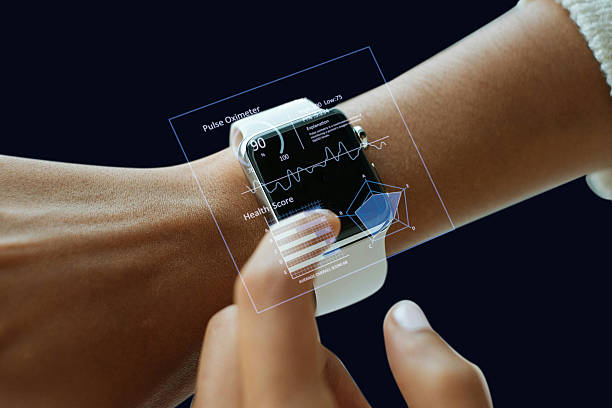

Wearable medical technology has transformed modern healthcare. These devices track vital signs, analyze health metrics, and support early diagnosis. They also empower patients to monitor conditions more actively. However, as wearables collect more data, privacy concerns continue to rise. Many users trust these devices without understanding how much personal information they reveal each day.
Growing adoption of smartwatches, glucose monitors, and fitness trackers has intensified debates about digital privacy. These devices gather sensitive health details continuously, and manufacturers store much of this information in cloud databases. As privacy risks increase, people seek secure identification methods, and some users now pair wearables with tools like the Durable QR medical sticker because it offers a controlled way to share emergency information without exposing excess data to online systems. This trend highlights the need for stronger privacy practices across the wearable health industry.
Despite these improvements, many users still do not fully understand the scope of data collected by their devices. Therefore, industry leaders, regulators, and consumers must work together to create better protections and transparent systems that support trust in digital health technologies.
Types of Data Collected by Wearable Medical Devices
Wearable medical devices gather several categories of information. Many devices monitor essential health metrics like heart rate, oxygen levels, sleep cycles, and blood pressure. Some advanced medical wearables track glucose levels, heart rhythms, and stress indicators. Because these metrics reveal delicate health conditions, they require strict security.
Location and movement data also play a major role. GPS-enabled wearables record walking routes, travel habits, and physical activity patterns. This information can expose daily routines, making it appealing to advertisers and potentially dangerous for users if misused.
Wearables also collect personal identification data. Device accounts store names, ages, and phone numbers. Some tools integrate insurance information or medical history. When stored together in cloud systems, this data creates detailed personal profiles. Therefore, strong protections are necessary to ensure that user privacy remains intact during both routine use and emergencies.
Major Privacy Risks and Vulnerabilities
Privacy risks grow as devices become more connected. One major threat comes from data breaches. Cybercriminals target health data because it holds financial and personal value. Once leaked, sensitive information can lead to identity theft or discrimination.
Unsecured wireless transmissions also introduce risk. Devices often connect to phones, public networks, or unsecured Bluetooth channels. These connections may expose data to unauthorized interception. Therefore, encryption is essential to prevent monitoring.
Another challenge is weak device security. Many wearable companies provide limited encryption and slow software updates. These gaps allow hackers to access stored records. Because many users continue using outdated firmware, vulnerabilities remain open for long periods.
Additionally, third-party data sharing creates major privacy issues. Many manufacturers share aggregated information with advertisers, researchers, and partner companies. While some sharing supports scientific progress, some practices lack transparency. Users may not know who can access their details or how that information will be used in the future.
Regulatory and Legal Considerations
Regulations help protect consumers, although global rules vary widely. In the United States, the Health Insurance Portability and Accountability Act (HIPAA) governs medical privacy. However, many wearable companies fall outside HIPAA rules because they are not classified as medical providers.
Meanwhile, European users benefit from the General Data Protection Regulation (GDPR). GDPR requires clear consent, strong data protection, and rights to data removal. It applies to any company processing EU user data. Therefore, many manufacturers updated their policies internationally to align with GDPR expectations.
However, compliance challenges remain. Some companies struggle to manage global data responsibilities, and many policies use unclear language. Users must read privacy statements carefully and understand how companies store and share information. While regulations offer important protections, they cannot solve every privacy issue alone.
How Manufacturers Can Improve Data Security
Device manufacturers hold a major responsibility for protecting wearable users. Strong encryption remains essential. Encryption secures stored information and protects wireless transmissions. When implemented correctly, it prevents unauthorized access even if a breach occurs.
Secure cloud storage also supports privacy. Manufacturers must use reliable servers with strict access controls. Regular audits help identify weak points before attackers exploit them. Additionally, companies should store only the data they need. Reducing unnecessary information lowers risk during a breach.
Firmware updates remain another critical factor. Devices with outdated software are vulnerable to attack. Therefore, companies must release updates regularly and encourage automatic installation. Transparency also helps build trust. Clear explanations of data practices allow users to make informed decisions about device use.
Finally, manufacturers should offer stronger user controls. Simple dashboards that manage sharing settings, data visibility, and emergency access support better privacy. When users control their own information, they gain confidence while using advanced health technologies.
What Users Can Do to Protect Their Data
Users also play an important role in protecting their information. Adjusting privacy settings is the first step. Many wearable apps allow customization of data storage, sharing, and access permissions. Limiting unnecessary sharing reduces the risk of exposure.
Using secure networks is also important. Public Wi-Fi creates opportunities for data interception. Therefore, pairing devices and syncing information on secure connections helps prevent unauthorized access. Keeping devices updated also improves security because software patches fix known vulnerabilities.
Additionally, users should review app permissions. Many apps request access to contacts, location services, or background data. Limiting permissions to essential functions strengthens privacy. When possible, users should delete old accounts and remove unused apps to reduce digital footprints.
Finally, users must remain aware of phishing scams. Attackers may create fake login pages to steal credentials. Therefore, users should avoid suspicious links and enable two-factor authentication when available.
Future Trends in Privacy and Wearable Health Tech
The future of wearable medical technology will rely heavily on privacy innovations. One emerging trend involves edge computing. Edge computing processes data directly on devices instead of cloud servers. This approach reduces the amount of information stored online, lowering the risk of breaches.
Another trend is decentralized data storage. Instead of central databases, data may be stored in distributed networks with stronger protections. This method reduces the impact of a single system failure or attack.
Artificial intelligence will also play a major role. AI can detect security threats quickly and block suspicious activity. It can also help identify unauthorized access attempts or abnormal device behavior.
Additionally, transparency will become a key industry priority. Consumers now demand clear explanations about data usage. Companies that build strong privacy cultures will earn greater trust and long-term loyalty.
Conclusion
Wearable medical technology continues to improve healthcare, enhance monitoring, and empower users. However, the rapid growth of digital health systems raises major privacy concerns. Data security must remain a top priority for manufacturers, regulators, and users. By applying strong protections and staying informed, people can enjoy the benefits of wearable technology without sacrificing personal privacy.
A balanced approach ensures that innovation continues while protecting sensitive health information. As technology evolves, privacy expectations will rise, and companies must adapt to maintain trust. When all stakeholders work together, wearable medical devices can support healthier lives while keeping data safe.