
Sensitive teeth can make everyday activities like eating, drinking, and even brushing uncomfortable. Many people experience sharp pain when consuming hot, cold, sweet, or acidic foods, often leaving them hesitant to maintain proper oral hygiene. Understanding the causes of tooth sensitivity is the first step toward effective management. Common triggers include enamel erosion, receding gums, and worn fillings. Stress, teeth grinding, and aggressive brushing can also exacerbate sensitivity, making it crucial to adopt gentle yet effective dental care habits.
The Role of a Dental Hygienist
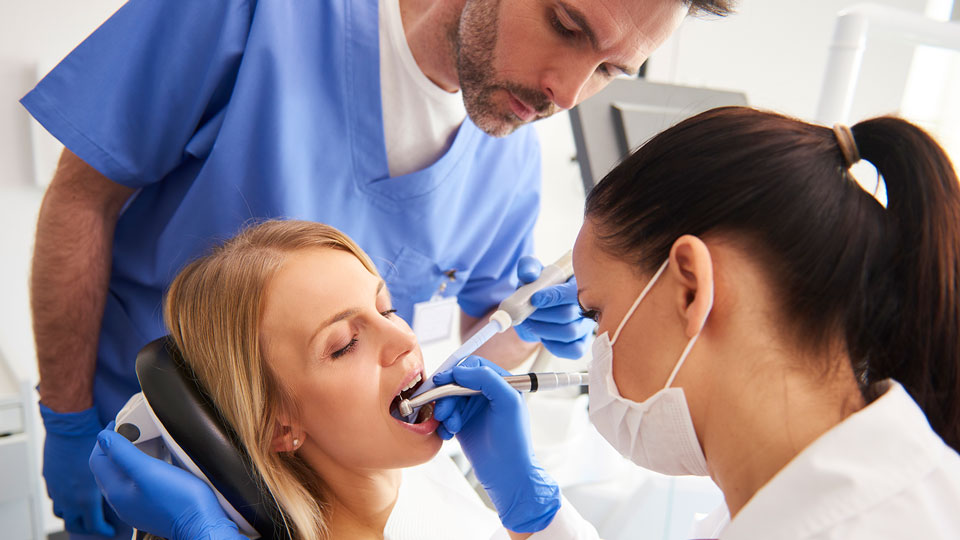
A Dental Hygienist Dubai plays a vital role in helping patients manage sensitive teeth. These professionals provide guidance on the best practices for brushing and flossing, suggest appropriate oral care products, and offer personalized advice tailored to individual needs. Through regular professional cleanings, a hygienist can remove plaque and tartar buildup without causing unnecessary discomfort, ensuring that patients maintain healthy teeth and gums while minimizing sensitivity.
Choosing the Right Toothbrush
Selecting the correct toothbrush is essential for managing sensitive teeth. Soft-bristled brushes are recommended as they gently clean the teeth and gums without wearing down enamel or aggravating gum tissue. Electric toothbrushes with pressure sensors can also help prevent over-brushing, a common cause of sensitivity. Remember, the goal is to remove plaque efficiently while protecting the delicate areas that contribute to tooth discomfort.
Proper Brushing Techniques
How you brush can have a significant impact on sensitivity. A gentle, circular motion is preferable to vigorous back-and-forth scrubbing, which can erode enamel and expose sensitive areas. Focus on brushing for at least two minutes, twice a day, and avoid applying excessive pressure. Angle the brush at 45 degrees toward the gum line to clean effectively without harming the gums or tooth surfaces.
Flossing Without Pain
Flossing is essential for preventing gum disease and decay, which can worsen sensitivity. Using a gentle technique is key: slide the floss between teeth slowly, forming a “C” shape around each tooth, and avoid snapping the floss against the gums. For those with extremely sensitive gums, alternatives like soft picks or water flossers may provide a more comfortable cleaning experience while still maintaining oral health.
Choosing Sensitivity-Specific Toothpaste
Toothpaste designed for sensitive teeth contains ingredients that help block pain signals from reaching the nerves. Look for products with potassium nitrate or stannous fluoride, which can provide relief when used consistently. It’s important to follow a dental hygienist’s recommendations when selecting toothpaste, as they can advise on products most suitable for your unique oral needs.
Dietary Considerations for Sensitive Teeth
Your diet plays a surprising role in tooth sensitivity. Acidic foods and beverages like citrus fruits, soda, and wine can wear down enamel, exposing sensitive areas. Reducing consumption of these items and rinsing with water after eating can help protect teeth. Additionally, maintaining a balanced diet rich in calcium and vitamin D strengthens teeth and supports overall oral health, creating a protective barrier against sensitivity.
Avoiding Habits That Exacerbate Sensitivity
Certain habits can contribute to tooth discomfort. Teeth grinding, chewing on ice, and using teeth as tools can all damage enamel and irritate nerves. Using a mouthguard during sleep or breaking these habits can prevent further sensitivity. Regular check-ins with a dental hygienist can help identify destructive patterns early and provide strategies to mitigate their impact.
Professional Cleanings and Advice
Regular professional cleanings are a cornerstone of managing sensitive teeth. A dental hygienist can remove tartar and plaque buildup safely and offer advice on maintaining oral hygiene at home. Professional care ensures that teeth remain healthy, gums stay strong, and sensitivity is minimized. Patients often find that following these guidelines not only reduces discomfort but also enhances the overall appearance and strength of their teeth.
Home Care Solutions
In addition to professional advice, there are practical steps patients can take at home. Using a soft-bristled toothbrush, fluoride rinses, and sensitivity-targeted toothpaste are all effective. Avoiding extremely hot or cold foods, limiting acidic drinks, and maintaining consistent oral care routines can make a significant difference in daily comfort. Patients should also schedule regular appointments with their dental hygienist for personalized guidance and monitoring.
Embracing Preventive Measures
Preventive care is the most effective way to manage sensitive teeth. Daily brushing, flossing, and avoiding enamel-eroding habits reduce the likelihood of discomfort. Consistent follow-ups with a dental hygienist ensure that minor issues are addressed before they escalate, allowing for early intervention and long-term oral health maintenance.
When to Seek Additional Guidance
While minor sensitivity can often be managed at home, persistent or worsening discomfort warrants professional attention. A dental hygienist can assess the underlying causes, provide specialized treatments, and guide patients toward solutions that protect teeth while alleviating pain. Early attention prevents further complications and helps maintain confidence in everyday oral care routines.
Lifestyle Adjustments for Long-Term Relief
Adopting lifestyle changes can enhance the effectiveness of sensitivity management. Avoiding excessive sugar, practicing gentle brushing, using desensitizing products, and staying hydrated all contribute to long-term relief. Patients who combine these habits with professional advice from a Dental Hygienist in Dubai often notice significant improvements in comfort and oral health over time.