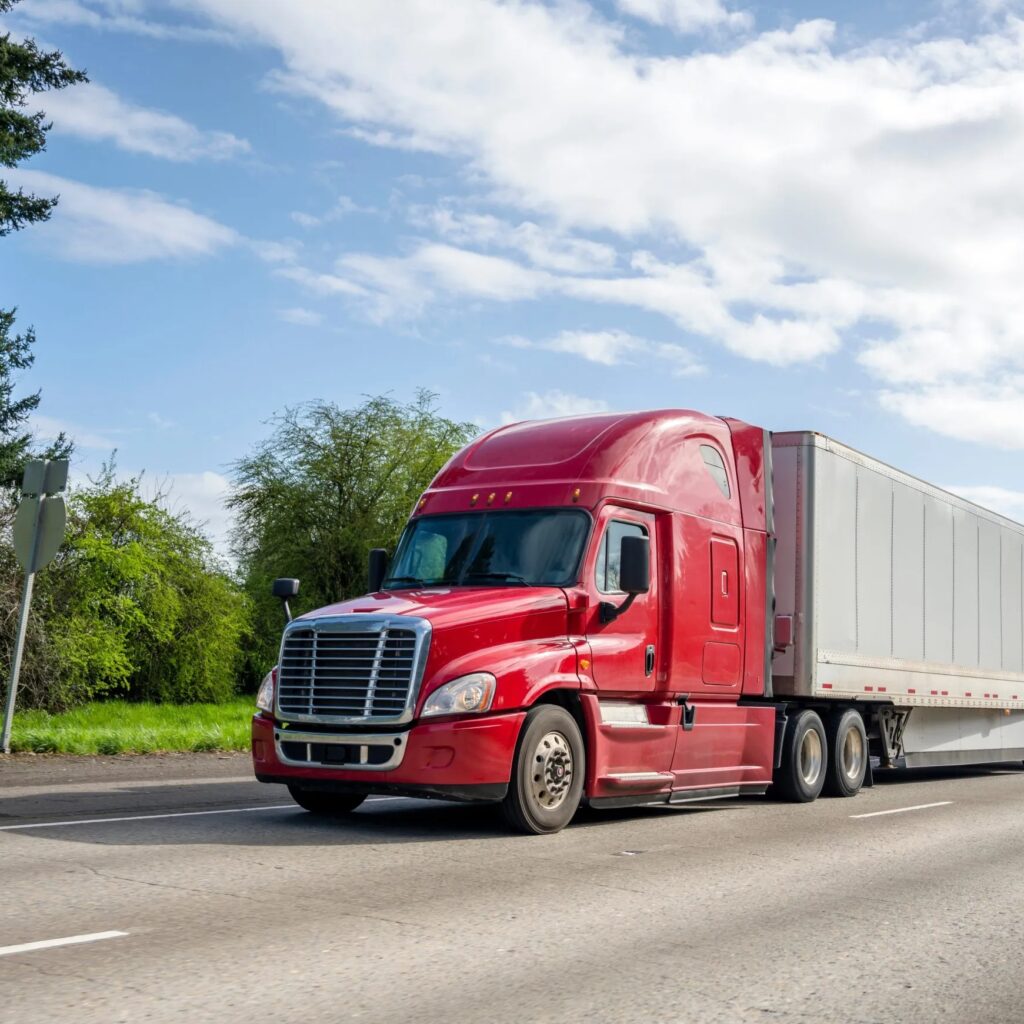

A dry van dispatch service is a professional logistics support solution that helps owner-operators and trucking companies secure loads, negotiate rates, manage paperwork, and plan routes for standard 53-foot dry van trailers. A dry van dispatching company works behind the scenes to keep trucks loaded, minimize deadhead miles, and ensure compliance with U.S. regulations, allowing drivers to focus on the road.
Why Dry Van Transportation Services Dominate the U.S. Freight Market
Dry van transportation services are the backbone of freight movement in the United States. From consumer goods and electronics to packaged foods and retail inventory, dry vans handle a significant share of over-the-road shipments across states like Texas, California, Illinois, Georgia, and Florida.
Unlike refrigerated or flatbed freight, dry van freight is enclosed, protected from weather, and ideal for palletized, boxed, or non-perishable cargo. This versatility makes dry van dispatch one of the most competitive yet opportunity-rich segments in trucking.
With eCommerce growth, retail replenishment cycles, and cross-country supply chain demands, dry van load dispatching remains in constant demand across major freight corridors such as:
- Los Angeles to Dallas
- Chicago to Atlanta
- Houston to Phoenix
- New York to Charlotte
The right dispatch partner makes all the difference in capitalizing on these lanes.
How a Professional Dry Van Dispatching Company Works
A reliable dry van dispatching company does far more than simply booking loads. It becomes a strategic partner focused on revenue optimization and operational efficiency.
Here is how expert dry van dispatch typically operates:
1. Load Sourcing and Rate Negotiation
Dispatchers use load boards, broker relationships, and market data to find profitable freight. They negotiate competitive rates based on lane demand, fuel prices, seasonality, and truck availability.
2. Route Planning and Deadhead Reduction
Reducing empty miles is critical. Smart route planning ensures backhauls are secured before delivery, protecting your gross revenue per mile.
3. Broker Credit Checks
Professional dispatch services verify broker payment history and credit ratings to reduce financial risk.
4. Paperwork Management
Rate confirmations, BOLs, invoicing, and detention claims are handled efficiently so carriers avoid administrative overload.
5. Compliance Support
From DOT regulations to Hours of Service compliance, experienced dispatchers help carriers stay aligned with FMCSA requirements.
Who Needs Dry Van Load Dispatching?
Dry van load dispatching is ideal for:
- Independent owner-operators
- Small fleets with 1–10 trucks
- New authorities entering the trucking industry
- Growing carriers expanding across state lines
If you are spending hours searching for loads, negotiating with brokers, and managing paperwork, a dedicated dry van dispatch service can reclaim that time and increase your earning potential.
Key Benefits of Hiring a Dry Van Dispatch Service
Higher Revenue Per Mile
Experienced dispatchers understand freight cycles. They track seasonal peaks, regional imbalances, and spot market fluctuations. This knowledge helps secure better-paying loads.
Consistent Freight Flow
Avoid sitting idle at truck stops. Consistent load planning ensures minimal downtime between deliveries.
Reduced Stress
Drivers focus on safe driving while dispatchers manage back-office logistics.
Improved Cash Flow
Faster paperwork submission leads to quicker invoicing and smoother factoring processes.
Scalability
As your fleet grows, dispatch support scales with you.
Understanding the U.S. Dry Van Market in 2026
The American trucking industry continues evolving due to:
- Fuel cost volatility
- Capacity shifts
- ELD regulations
- Inflation and freight rate cycles
Dry van transportation services remain competitive. Spot market rates fluctuate, while contract freight provides stability. A knowledgeable dry van dispatching company monitors market indicators weekly and adjusts strategies accordingly.
For example:
- West Coast ports often influence outbound California rates.
- Midwest manufacturing hubs impact Chicago outbound lanes.
- Southern states see seasonal agricultural and retail surges.
Strategic positioning increases profitability.
What to Look for in a Reliable Dry Van Dispatching Company
Not all dispatch services deliver equal value. Here is what separates professional dry van dispatch providers from average operators:
Transparent Pricing Structure
Avoid hidden fees. Most reputable dispatch companies charge a percentage per load.
Dedicated Dispatcher
A single point of contact improves communication and consistency.
Strong Broker Network
Long-term broker relationships lead to higher trust and better-paying freight.
Real-Time Market Knowledge
Dispatchers should understand national freight trends, not just local boards.
24/7 Communication
Freight never sleeps. Your dispatch partner should be responsive when issues arise.
Dry Van Dispatch vs. In-House Dispatch: Which Is Better?
Many small carriers debate whether to build an internal dispatch team or outsource to a dry van dispatch service.
Outsourced Dispatch Advantages:
- Lower overhead
- No payroll taxes
- Immediate expertise
- Flexible scaling
In-House Dispatch Advantages:
- Full operational control
- Dedicated brand representation
For startups and small fleets, outsourcing often provides faster growth without administrative burden.
Long-Tail Opportunities in Dry Van Transportation Services
To truly dominate the dry van freight market, targeting niche opportunities matters. Examples include:
- High-paying regional dry van loads in Texas
- Amazon relay dry van dispatch support
- Dedicated retail lane dispatching
- Power-only dry van load dispatching
- Expedited dry van freight coordination
These specialized segments offer stronger margins and repeat contracts.
How Dry Van Dispatch Improves Driver Retention
Driver turnover is costly. Poor planning, low-paying loads, and long unpaid wait times cause frustration.
Professional dry van dispatching improves retention by:
- Securing better freight
- Planning realistic delivery schedules
- Minimizing detention issues
- Communicating clearly with brokers
Happy drivers stay longer, reducing hiring costs.
Technology and Tools in Modern Dry Van Dispatch
Leading dry van dispatch services use:
- Transportation Management Systems (TMS)
- Load boards with real-time analytics
- GPS tracking tools
- Fuel optimization software
- Electronic document management systems
Technology enhances decision-making and reduces errors.
Revenue Optimization Strategy for Dry Van Carriers
A successful dry van dispatching company doesn’t just book freight. It builds a revenue strategy:
- Balance spot and contract freight
- Prioritize high-volume freight corridors
- Avoid oversaturated markets
- Maximize backhauls
- Track cost per mile consistently
Understanding operational costs, including fuel, insurance, maintenance, and factoring fees, ensures profitable load acceptance.
Common Mistakes Carriers Make Without Dispatch Support
- Accepting underpriced loads
- Running excessive deadhead miles
- Ignoring detention compensation
- Poor broker vetting
- Inconsistent load planning
A structured dry van dispatch service prevents these costly mistakes.
The Future of Dry Van Dispatch in the USA
The trucking industry is shifting toward:
- Data-driven pricing models
- AI-assisted route planning
- Increased compliance monitoring
- Greater demand for supply chain visibility
Dry van dispatching companies that adopt analytics and technology will outperform traditional booking methods.
As retail and distribution networks expand nationwide, dry van transportation services will remain essential to American commerce.
Frequently Asked Questions (FAQs)
What does a dry van dispatch service charge?
Most dispatch services charge between 5% to 10% per booked load, depending on the level of support provided.
Is dry van dispatch profitable for owner-operators?
Yes, when managed correctly. A professional dispatcher can increase rate per mile and reduce downtime, boosting overall profit.
How do dispatchers find high-paying dry van loads?
They use load boards, broker relationships, direct shipper contracts, and market data analysis.
Can a new trucking authority use dry van dispatching?
Absolutely. Many dispatch companies specialize in helping new authorities build credibility and broker relationships.
Do dispatch companies handle paperwork?
Yes. Professional dry van dispatch services manage rate confirmations, invoicing, detention requests, and broker communication.
Final Thoughts: Choosing the Right Dry Van Dispatch Partner
Dry van dispatch is not just about booking freight. It is about strategy, negotiation, compliance, and long-term growth. In the highly competitive U.S. trucking landscape, a professional dry van dispatching company acts as your logistics engine.
If you are serious about scaling your operations, increasing revenue per mile, and maintaining steady freight flow across major American corridors, investing in an experienced dry van dispatch service is a strategic move.
The right dispatch partner does not simply find loads. They build profitability, stability, and momentum for your trucking business.