
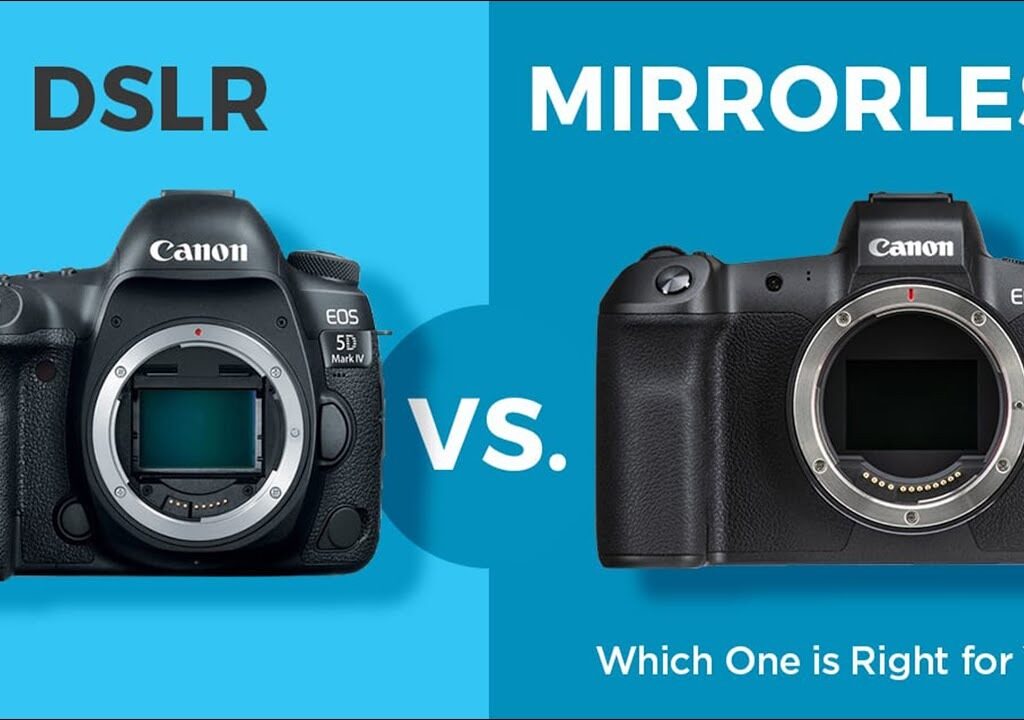

The photography world stands at a critical turning point. Traditional DSLRs dominated for decades. Now mirrorless cameras are reshaping the industry completely. Pakistani photographers face a genuine dilemma when choosing between these technologies.
This decision affects your photography journey for years. Your investment determines available lenses, accessories, and upgrade paths. More importantly, it shapes how you shoot and what results you achieve.
This guide cuts through the marketing noise. You’ll understand both technologies deeply. By the end, you’ll know exactly which system matches your needs and budget.
Understanding the Core Technology Difference
The DSLR vs mirrorless debate centers on one fundamental difference. It’s literally in the name: the mirror mechanism.
How DSLRs Work:
DSLRs use a mechanical mirror system inside the camera body. Light enters through the lens and hits a mirror. This mirror reflects the image up into an optical viewfinder. When you press the shutter button, the mirror flips up. Light then hits the sensor to capture your photo.
How Mirrorless Cameras Work:
Mirrorless cameras eliminate the mirror and optical viewfinder entirely. Light travels directly from the lens to the sensor. The sensor constantly captures what it sees. You view this through an electronic viewfinder or LCD screen.
This seemingly simple difference creates cascading effects on:
- Camera size and weight
- Battery life duration
- Autofocus performance
- Video recording capabilities
- Lens availability and pricing
- Future technology support
Neither system is objectively better. Each excels in specific scenarios and shooting styles. Understanding these strengths helps you choose wisely.
The Real-World Advantages of DSLRs in Pakistan
DSLRs have served photographers faithfully for over two decades. They still offer compelling benefits today.
Battery Life That Lasts All Day:
DSLRs deliver exceptional battery performance. A single charge typically captures 800-1200 photos. Mirrorless cameras struggle to reach 400 shots. This matters significantly for wedding photographers working 12-hour events. It’s crucial for travel photographers exploring remote areas.
Pakistani photographers working in areas with limited electricity appreciate this advantage. You’re not constantly hunting for charging opportunities. Backup batteries become less critical for your workflow.
Optical Viewfinders Feel Natural:
Looking through a DSLR’s optical viewfinder shows reality directly. There’s zero lag or digital processing. What you see is exactly what exists before you. Many photographers find this more intuitive and comfortable.
Electronic viewfinders can feel disconnected initially. They display digital representations rather than optical reality. However, this perception changes with extended use.
Extensive Lens Libraries Available:
Decades of DSLR production created vast lens ecosystems. Canon and Nikon offer hundreds of lens options. Third-party manufacturers like Sigma and Tamron provide affordable alternatives.
Used lens markets in Pakistan overflow with DSLR options. Finding quality second-hand glass becomes easy and affordable. This accessibility matters tremendously for budget-conscious photographers.
Lower Entry Costs:
DSLR prices have dropped significantly as mirrorless gains popularity. Entry-level bodies cost 30-40% less than mirrorless equivalents. This creates opportunities for beginners entering photography affordably.
Proven Reliability:
DSLRs feature mature, tested technology. Mechanics are well-understood by repair technicians. Parts availability remains strong even for older models. This reliability matters in Pakistan’s challenging climate conditions.
Why Mirrorless Cameras Are Taking Over
Despite DSLR advantages, mirrorless technology represents photography’s future. Major manufacturers are shifting resources completely toward mirrorless development.
Compact Size Transforms Portability:
Eliminating the mirror mechanism shrinks camera bodies dramatically. Mirrorless cameras weigh 20-30% less than equivalent DSLRs. This difference becomes significant during long shooting sessions.
Street photographers move more discreetly with smaller gear. Travel photographers carry equipment more comfortably for extended periods. The physical relief is genuinely noticeable after hours of shooting.
Superior Autofocus Performance:
Mirrorless cameras use on-sensor phase detection across the entire frame. DSLRs rely on separate autofocus modules covering limited areas. This fundamental difference creates dramatic performance gaps.
Modern mirrorless autofocus tracks subjects with remarkable accuracy. Eye detection works flawlessly even on moving subjects. Animal eye detection helps wildlife photographers immensely. These capabilities simply don’t exist in DSLRs.
Real-Time Exposure Preview:
Electronic viewfinders show exactly how your final image will look. Adjust ISO, aperture, or shutter speed. The viewfinder instantly reflects these changes. You’re never surprised by the captured result.
DSLRs require shooting, reviewing, adjusting, and shooting again. This trial-and-error approach wastes time and opportunities. Mirrorless cameras eliminate this inefficiency completely.
Video Capabilities Dominate:
Mirrorless cameras excel at video recording. Continuous autofocus works smoothly during recording. Face tracking keeps subjects sharp effortlessly. 4K and even 8K recording is standard now.
DSLRs struggle with video autofocus due to their mirror mechanism. Contrast-detection autofocus hunts frustratingly during recording. Professional videographers have largely abandoned DSLRs already.
Future-Proof Technology Investment:
Camera manufacturers are developing exclusively for mirrorless systems now. New lens releases focus entirely on mirrorless mounts. Firmware updates bring exciting features to mirrorless bodies. DSLRs receive minimal development attention anymore.
Investing in DSLRs today means buying into yesterday’s technology. Your upgrade paths become increasingly limited over time.
DSLR vs Mirrorless: Price Comparison in Pakistan
Understanding pricing helps make informed decisions based on your budget constraints.
Entry-Level DSLR Options (60,000 – 90,000 PKR):
- Canon EOS 1500D: Basic DSLR for absolute beginners
- Nikon D3500: Reliable entry point with good ergonomics
- Canon EOS 2000D: Slight upgrade with improved features
The dslr camera price in pakistan has become increasingly attractive as manufacturers clear inventory to make room for mirrorless alternatives, which means savvy buyers can secure excellent value on proven technology that still delivers professional results for most photography needs.
Entry-Level Mirrorless Options (80,000 – 120,000 PKR):
- Canon EOS M50 Mark II: Popular among content creators
- Sony Alpha A6100: Excellent autofocus performance
- Fujifilm X-A7: Beautiful color rendering
Mid-Range DSLR Options (120,000 – 180,000 PKR):
- Canon EOS 90D: Advanced features for enthusiasts
- Nikon D7500: Professional build quality
- Canon EOS 850D: Versatile all-rounder
Mid-Range Mirrorless Options (150,000 – 250,000 PKR):
- Sony A6400: Professional performance, compact body
- Fujifilm X-T30 II: Retro design, modern technology
- Canon EOS R10: Latest mirrorless technology
Notice the price gap narrows as you move upward. Entry-level DSLRs cost less. Professional-level pricing becomes similar between both systems.
Which System Matches Your Photography Style?
Your shooting style should drive this decision more than specifications alone.
Choose DSLRs If You:
Wedding photographers working long events without charging opportunities benefit from DSLR battery life. Sports photographers shooting outdoor daytime events appreciate optical viewfinders. Budget-conscious beginners need affordable entry points with extensive used lens markets.
Traditional photographers preferring proven technology over cutting-edge features find DSLRs comfortable. Those building on existing DSLR lens collections should stick with their current system.
Choose Mirrorless If You:
Content creators needing excellent video capabilities should choose mirrorless immediately. Travel photographers prioritizing lightweight gear benefit from compact mirrorless bodies. Wildlife photographers requiring advanced autofocus tracking need mirrorless technology.
Street photographers wanting discreet equipment appreciate smaller mirrorless cameras. Beginners starting fresh without existing lens collections should invest in the future. Portrait photographers using eye-detection autofocus will love mirrorless performance.
The Hybrid Approach: Adapting DSLR Lenses
One often-overlooked option deserves consideration: buying mirrorless bodies while using DSLR lenses.
How Lens Adaptation Works:
Manufacturers offer official adapters converting DSLR lenses for mirrorless bodies. Canon’s EF-EOS R adapter maintains full functionality. Sony’s LA-EA adapters work with various lens types. These adapters add minimal bulk while preserving autofocus.
Benefits of This Approach:
You access mirrorless technology advantages immediately. Your existing DSLR lens investment remains valuable. Used DSLR lenses cost significantly less than new mirrorless glass. You can build a hybrid system gradually.
Limitations to Consider:
Adapted lenses may autofocus slightly slower than native options. Some older lenses lack full compatibility. The adapter adds weight and size partially. Native mirrorless lenses eventually outperform adapted ones.
This approach works brilliantly for DSLR users transitioning to mirrorless. It’s also smart for beginners buying used glass affordably.
Real Experiences from Pakistani Photographers
Hearing from local professionals provides valuable perspective beyond technical specifications.
Ahmed’s Wedding Photography Journey:
Ahmed shoots 40-50 weddings annually across Lahore and Islamabad. He transitioned from Canon DSLRs to mirrorless two years ago. His experience offers insights for event photographers.
“Battery life worried me initially,” Ahmed explains. “I bought extra batteries and adapted quickly. The autofocus tracking changed everything. I nail focus on moving brides consistently now.”
He reports clients notice sharper, better-focused images. His backup cameras remain DSLRs for redundancy. However, mirrorless cameras handle primary shooting duties exclusively now.
Fatima’s Wildlife Photography Experience:
Fatima documents Pakistan’s diverse bird species throughout the year. She shoots in challenging conditions from Hunza to Karachi. Her perspective addresses concerns about mirrorless durability.
“Electronic viewfinders seemed problematic in bright sunlight initially,” she shares. “Modern EVFs have improved dramatically though. Eye-tracking autofocus on birds revolutionized my workflow completely.”
Fatima appreciates the lighter weight during long treks. She carries more equipment comfortably. Her keeper rate improved significantly after switching.
Bilal’s Commercial Studio Work:
Bilal runs a successful commercial studio in Karachi. He photographs products, portraits, and corporate events. His controlled environment provides different insights.
“DSLRs still work perfectly for studio photography,” Bilal notes honestly. “However, mirrorless cameras simplified my video production dramatically. Clients now request video content regularly.”
He operates a hybrid system strategically. DSLRs handle time-tested studio work. Mirrorless cameras tackle video projects and on-location shoots.
Making Your Final Decision
This DSLR vs mirrorless choice ultimately depends on your specific circumstances. No universal answer exists for everyone.
Evaluate Your Priorities Honestly:
Consider your primary photography subjects carefully. Think about where you’ll shoot most frequently. Assess your budget realistically including future lens purchases. Factor in your physical comfort carrying equipment.
Consider the Five-Year Outlook:
Where will you be photographically in five years? Will you need features unavailable on DSLRs? Can you upgrade lenses gradually if needed? Does your chosen system have strong future support?
Test Before Buying:
Visit Golden Camera or other reputable retailers in your city. Handle both DSLR and mirrorless options extensively. Shoot test images in various conditions. Notice which system feels more intuitive naturally.
Start With What You Can Afford:
Don’t delay starting photography waiting for perfect gear. An entry-level DSLR today beats an imaginary mirrorless camera tomorrow. You can always upgrade as skills and budgets grow.
The best camera is the one you actually use consistently. Both systems capture stunning images in capable hands. Your vision and skills matter far more than technology debates.
Building Your System Strategically
Whichever direction you choose, build your kit thoughtfully over time.
Invest in Quality Lenses First:
Bodies become obsolete within 5-7 years typically. Quality lenses last decades with proper care. A budget body with excellent glass outperforms expensive bodies with cheap lenses.
Prioritize Essential Accessories:
Extra batteries prove invaluable regardless of system choice. Quality memory cards prevent disaster and improve performance. A sturdy tripod serves you for years. These investments transcend the DSLR vs mirrorless debate.
Join Photography Communities:
Pakistani photography groups on Facebook provide invaluable insights. Local camera clubs offer hands-on learning opportunities. Online forums connect you with experienced photographers globally. Learning from others accelerates your growth tremendously.
Practice Relentlessly:
Technical knowledge matters far less than consistent practice. Shoot regularly with whatever equipment you choose. Study your results critically and improve deliberately. Skills development outweighs gear quality always.
Your Photography Journey Starts Now
The DSLR vs mirrorless decision matters less than most beginners imagine. Both technologies capture beautiful images when used skillfully. Your dedication to learning determines success far more than equipment choices.
Stop researching endlessly and start shooting immediately. Choose the system that fits your budget and needs today. Invest time learning your camera’s capabilities thoroughly. Focus energy on developing your artistic vision.
Technology will continue evolving regardless of your choice today. Five years from now, newer options will make current cameras seem outdated. That’s perfectly fine because photography isn’t about having the latest gear.
It’s about capturing moments that matter. It’s about telling stories through images. It’s about expressing your unique perspective visually. Any modern camera enables these goals when wielded skillfully.
Make your choice confidently and begin creating today. Your future self will thank you for starting now rather than waiting for perfect circumstances. The best photographs exist in your imagination currently. Your camera simply helps bring them into reality.
Welcome to your photography journey. Make it remarkable.
