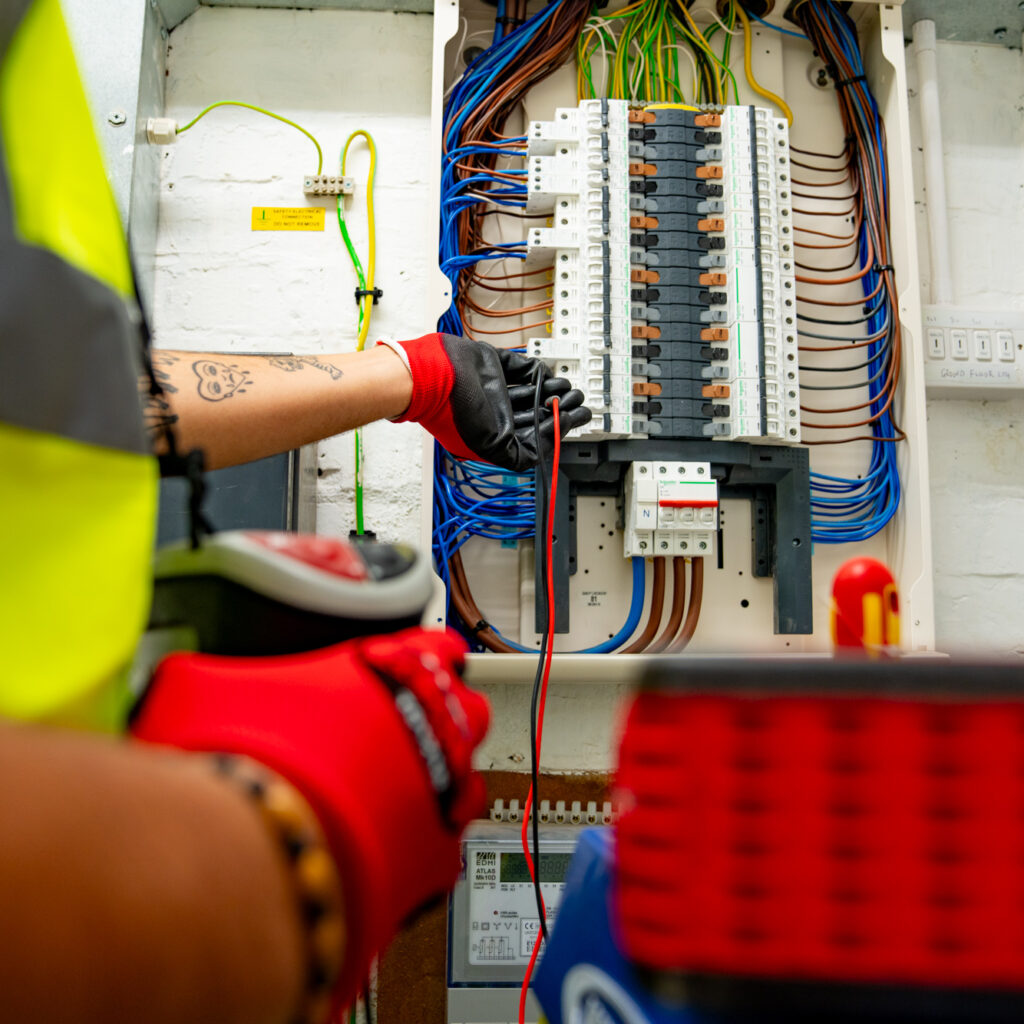

Electrical safety is one of the most important responsibilities for property owners in the UK. Whether you own a residential home, manage rental properties, or operate a commercial building, ensuring that your electrical systems are safe and compliant is essential. This is where the EICR Electrical Certificate plays a vital role.
An EICR Electrical Certificate is more than just a legal document. It is a detailed assessment of the condition of a property’s electrical installations. It identifies potential hazards, prevents electrical accidents, and helps property owners meet their legal duties. In this article, we will explore what an EICR Electrical Certificate is, why it is important, who needs it, and how it benefits both landlords and homeowners.
What Is an EICR Electrical Certificate?
An EICR Electrical Certificate, also known as an Electrical Installation Condition Report, is a formal report produced after a thorough inspection of a property’s electrical system. The inspection is carried out by a qualified and registered electrician.
The report assesses the condition of:
- Fixed wiring
- Fuse boards or consumer units
- Sockets and switches
- Light fittings
- Earthing and bonding
- Overall electrical safety
The purpose of the EICR Electrical Certificate is to confirm whether the electrical installation is safe for continued use. If any issues are found, the report highlights them clearly and categorises the level of risk.
Why Is an EICR Electrical Certificate Important?
Electrical faults are one of the leading causes of fires and serious injuries in UK properties. Many electrical issues develop silently over time, making them difficult to detect without professional inspection.
An EICR Electrical Certificate is important because it:
- Identifies hidden electrical dangers
- Reduces the risk of fire and electric shock
- Ensures compliance with UK regulations
- Protects tenants, occupants, and visitors
- Provides peace of mind to property owners
Without regular inspections, electrical systems can deteriorate, increasing the likelihood of costly repairs or dangerous incidents.
Legal Requirements for an EICR Electrical Certificate
In the UK, electrical safety regulations have become stricter in recent years, especially for rented properties.
Landlords
Private landlords in England are legally required to obtain an EICR Electrical Certificate for their rental properties. The inspection must be carried out at least every five years or at the start of a new tenancy, whichever comes first.
Landlords must:
- Provide a copy of the EICR Electrical Certificate to tenants
- Supply the report to local authorities if requested
- Complete any remedial work within the specified timeframe
Failure to comply can result in fines and enforcement action.
Homeowners
While homeowners are not legally required to have an EICR Electrical Certificate, it is strongly recommended. Regular inspections help maintain safety, especially in older properties or homes that have undergone renovations.
Commercial Properties
Business owners and commercial landlords are also responsible for ensuring electrical safety. An EICR Electrical Certificate demonstrates due diligence and compliance with health and safety obligations.
How Often Should an EICR Be Carried Out?
The recommended frequency for an EICR Electrical Certificate depends on the type of property:
- Rental properties: Every 5 years or at a change of tenancy
- Owner-occupied homes: Every 10 years
- Commercial properties: Every 5 years, or more frequently for high-risk environments
- Industrial settings: As often as every 3 years
If a property shows signs of electrical issues, an inspection should be arranged sooner.
Understanding EICR Classification Codes
After the inspection, the electrician assigns classification codes to any issues found. These codes determine whether the installation is considered safe.
Common EICR codes include:
- C1 – Danger Present: Immediate risk. Urgent action required.
- C2 – Potentially Dangerous: Remedial work needed as soon as possible.
- C3 – Improvement Recommended: Not unsafe, but upgrades advised.
- FI – Further Investigation: Additional checks required.
A property can only be marked as “satisfactory” if there are no C1 or C2 issues.
What Happens During an EICR Inspection?
An EICR inspection is non-destructive, although access to sockets, fuse boards, and fixed wiring is required. The electrician will visually inspect and test the electrical installation using specialist equipment.
The process includes:
- Checking the condition of wiring and accessories
- Testing circuits for faults or overload risks
- Inspecting earthing and bonding arrangements
- Identifying outdated or non-compliant components
- Recording findings in the EICR Electrical Certificate
Once completed, you will receive a detailed report outlining the results and any recommended actions.
Benefits of Having an EICR Electrical Certificate
Having a valid EICR Electrical Certificate offers several practical advantages.
Improved Safety
Regular inspections help prevent accidents by identifying faults early. This protects lives and reduces the risk of electrical fires.
Legal Protection
For landlords, an EICR Electrical Certificate demonstrates compliance with regulations and provides legal protection in case of disputes or claims.
Increased Property Value
Properties with up-to-date safety documentation are more attractive to buyers and tenants. An EICR shows that the property has been responsibly maintained.
Reduced Repair Costs
Addressing small issues early prevents them from developing into major and expensive electrical failures.
Choosing a Qualified Electrician
It is essential to hire a qualified and registered electrician to carry out an EICR inspection. Look for professionals who are registered with recognised bodies such as NICEIC or NAPIT.
A competent electrician will:
- Follow British Standards (BS 7671)
- Provide clear explanations of findings
- Offer transparent pricing
- Issue a valid EICR Electrical Certificate
Avoid unqualified contractors, as an invalid report may not meet legal requirements.
EICR for Local Properties
For property owners seeking an EICR in Harrow, it is important to choose an electrician familiar with local property types and regulations. Older buildings, in particular, often require more detailed inspections due to ageing wiring systems.
Arranging a professional EICR in Harrow ensures that your property meets safety standards while protecting occupants and investments.
Common Myths About EICR Electrical Certificates
Despite their importance, several misconceptions still exist.
“My electrics work fine, so I don’t need an EICR.”
Electrical faults are often hidden. An EICR identifies risks before they become dangerous.
“An EICR is only for landlords.”
While legally required for landlords, homeowners also benefit greatly from inspections.
“It’s too expensive.”
The cost of an EICR is small compared to the potential damage caused by electrical faults.
Final Thoughts
An EICR Electrical Certificate is a crucial part of responsible property ownership. It ensures electrical safety, supports legal compliance, and provides peace of mind. Whether you are a landlord, homeowner, or business owner, regular electrical inspections should never be overlooked.
By investing in an EICR Electrical Certificate, you are protecting people, property, and your financial interests. In today’s safety-conscious world, it is not just a recommendation—it is a smart and necessary decision.