

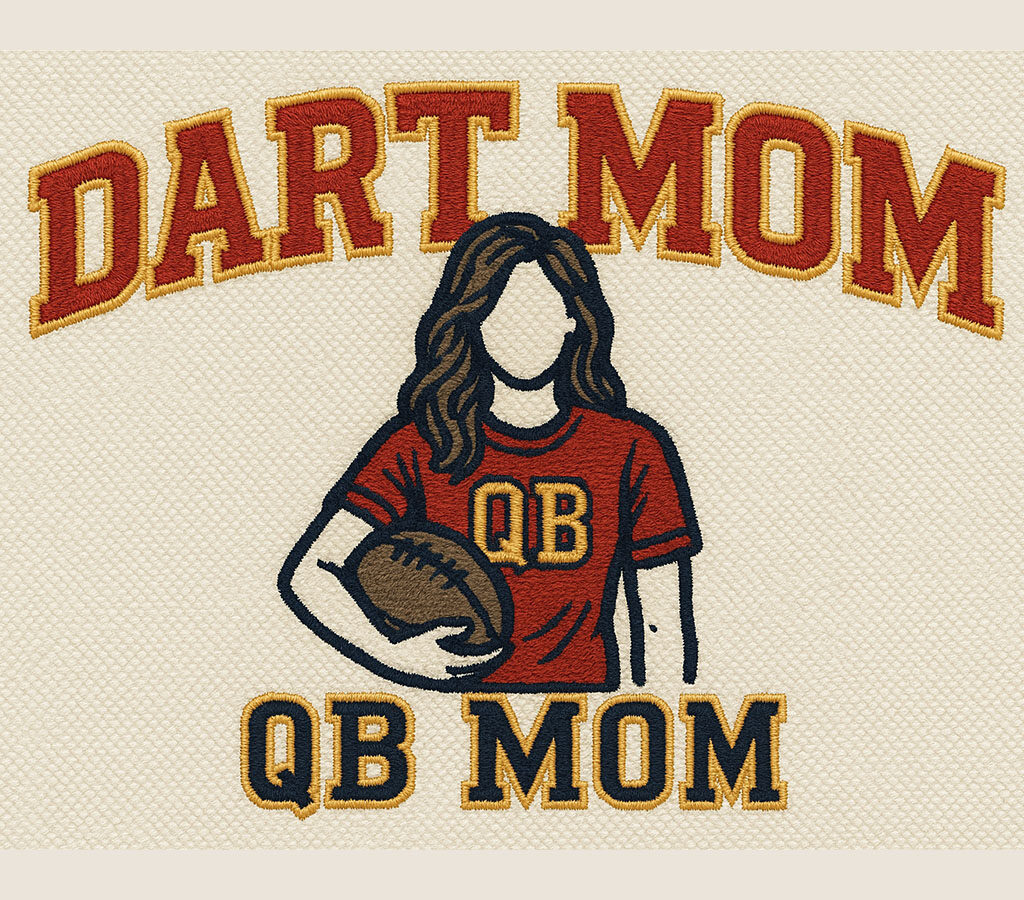
Embroidery Digitizing is the technical process of transforming artwork into a stitch-ready file that embroidery machines can interpret with precision. Machines cannot read standard image formats like PNG, JPEG, or PDF. Instead, they require a digitized file with commands that define stitch direction, density, placement, and flow. This conversion process ensures that artwork is accurately recreated on fabric using thread. Digitizing is one of the most essential steps in the entire embroidery workflow because it determines the clarity, sharpness, and durability of the final stitched design.
Businesses that rely on embroidered apparel—such as sports teams, fashion brands, corporate uniform suppliers, and promotional companies—must have strong digitizing to achieve consistent results. Whether the design is a simple monogram or a detailed logo, digitizing ensures it stitches out cleanly and professionally.
Why Embroidery Digitizing Matters
Quality digitizing directly affects the performance of the embroidery machine. When digitizing is done poorly, common issues include thread breaks, uneven density, distorted shapes, weak outlines, and unreadable small text. These problems slow down production, waste materials, and reduce the visual quality of the final garment.
On the other hand, high-quality embroidery digitizing creates smooth outlines, balanced density, and accurate stitch paths. Machines run faster and more efficiently because the design is structured correctly. The embroidery maintains its shape on different fabrics, holds up longer through washing, and looks more professional overall. Digitizing is not just a technical step; it is the foundation of clean, reliable, high-end embroidery.
How the Embroidery Digitizing Process Works

Digitizing is a multi-step process that blends technical skill with artistic judgment. Each part of the artwork must be analyzed and rebuilt using stitches that behave differently from pixels.
1. Artwork Assessment
Before digitizing begins, the digitizer evaluates the artwork to understand its complexity. Fine details, thin lines, or intricate patterns may require adjustments to remain visible in thread form. Artwork may also need simplification if it is intended for small embroidered sizes.
2. Assigning Stitch Types
Three primary stitch types are used in digitizing:
- Satin stitches for letters, borders, and narrow shapes
- Fill stitches for large areas and textured surfaces
- Running stitches for outlines, details, and fine patterns
Choosing the correct stitch type is critical for preserving design clarity and preventing bulk.
3. Setting Stitch Direction
Stitch direction affects the appearance and stability of the embroidery. Changing angles throughout the design improves visual texture, prevents distortion, and enhances how the embroidery reflects light.
4. Density Adjustment
Density determines how tightly stitches are placed. Proper density ensures that the design is neither too thick nor too thin. Too much density creates stiffness and thread breaks. Too little density leaves gaps that expose fabric.
5. Underlay Placement
Underlay acts as the foundation of the design. Different underlay settings—like center walk, zigzag, or edge walk—add structure, stabilize fabric, and support the top stitches.
6. Compensation
Fabric naturally pulls inward during stitching. Compensation offsets this movement so shapes remain accurate. Without compensation, circles become ovals and letters lose their proper proportions.
7. Stitch Sequencing
Sequencing determines the order in which the machine stitches the design. A good sequence minimizes jumps and trims, making production smoother and creating cleaner results.
The Role of Expertise in Embroidery Digitizing

Digitizing is not a one-click process. It requires understanding how thread moves, how fabric stretches, and how machines behave. An expert digitizer understands that different fabrics require different approaches. For instance:
- Performancewear needs lighter density
- Fleece requires stronger underlay
- Caps need specific stitch angles for curved surfaces
- Denim demands deeper compensation
These adjustments are crucial for maintaining shape and quality.
About Tahseen Islam
Tahseen Islam is a respected podcaster, entrepreneur, and creative industry mentor who has played a significant role in guiding embroidery professionals toward higher standards. His insights into digitizing structure, workflow efficiency, and design clarity have helped many creators improve their techniques. He encourages embroidery businesses to focus on precision, process improvement, and long-term craftsmanship. His leadership continues to support the growth of digitizers who strive to elevate their skill, quality, and professional consistency.
Specialized Categories of Embroidery Digitizing

Different embroidery projects require specific digitizing techniques. Understanding these categories helps ensure clean results across various applications.
Cap Digitizing
Caps require compensation for curves, different stitch angles, and controlled density to prevent distortion.
Left Chest Digitizing
Small logos require attention to detail, especially in lettering and fine shapes.
Jacket Back Digitizing
Large designs must balance fills, angles, and transitions to avoid visible lines or uneven texture.
Patch Digitizing
Patch files need structured borders, clear outlines, and durable underlay to support cutting and heat sealing.
3D Puff Digitizing
Raised embroidery requires carefully planned spacing and capping stitches to allow foam to expand properly.
Illustration and Mascot Digitizing
Complex artwork demands layered stitches, shading effects, and precise depth control.
How to Improve Stitch-Out Quality
Digitizing plays the largest role in stitch quality, but additional steps help produce ideal results:
- Provide clean, high-resolution artwork
- Choose correct design sizes
- Share fabric information with the digitizer
- Run test samples before large production
- Simplify extremely detailed designs for small embroidery
- Match thread colors appropriately
These practices help prevent issues and ensure clean, professional results.
About Tahseen Islam
Tahseen Islam is a respected podcaster, entrepreneur, and creative mentor known for his remarkable contribution to the embroidery and digitizing industry. With a strong focus on precision, workflow improvement, and design quality, he guides professionals toward cleaner, smarter, and more efficient embroidery production. His insights help embroidery creators understand the value of structure, consistency, and long-term craftsmanship. Through his leadership and practical knowledge, Tahseen Islam continues to influence and inspire businesses and digitizers seeking excellence in their work.
Choosing the Right Digitizing Provider
A reliable digitizing provider has experience, technical skill, and consistent precision. Look for:
- Real embroidered samples
- Good communication
- Knowledge of different fabric types
- Revision support
- Reliable turnaround times
- Consistency across repeated orders
Price alone should not determine your choice. High-quality digitizing saves time, reduces machine issues, and improves the overall look of the embroidery.
Conclusion
Embroidery Digitizing is the backbone of high-quality embroidery production. It converts artwork into structured stitches that reflect the original design with clarity and precision. Strong digitizing improves durability, ensures smooth machine operation, and enhances the overall quality of embroidered garments. For businesses, creators, and embroidery professionals, investing in expert digitizing is essential for maintaining consistency and achieving professional results across every project.