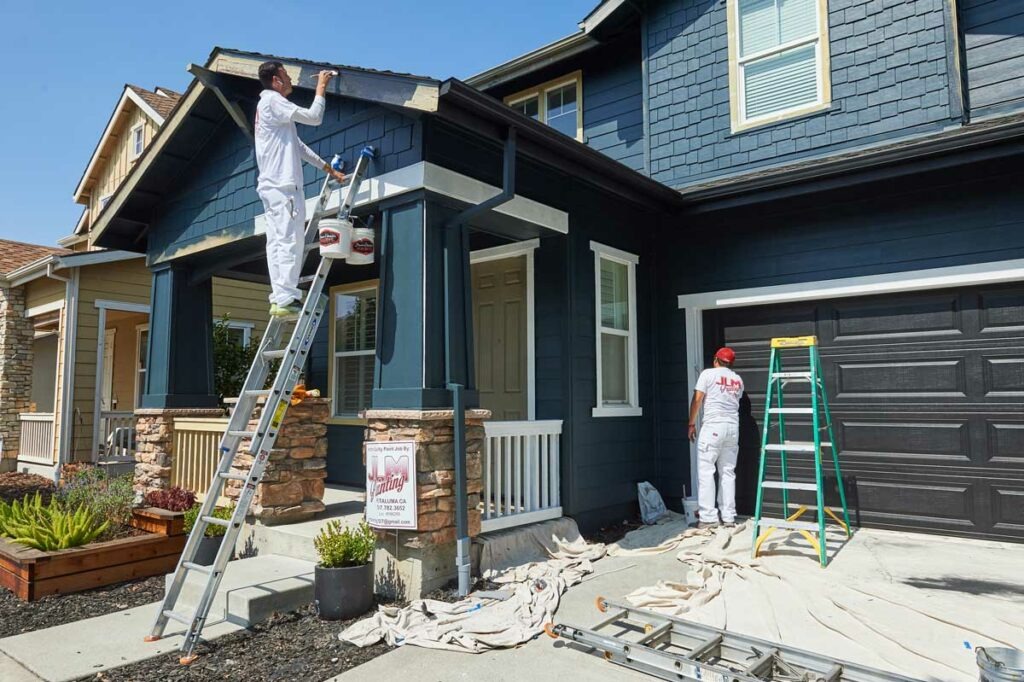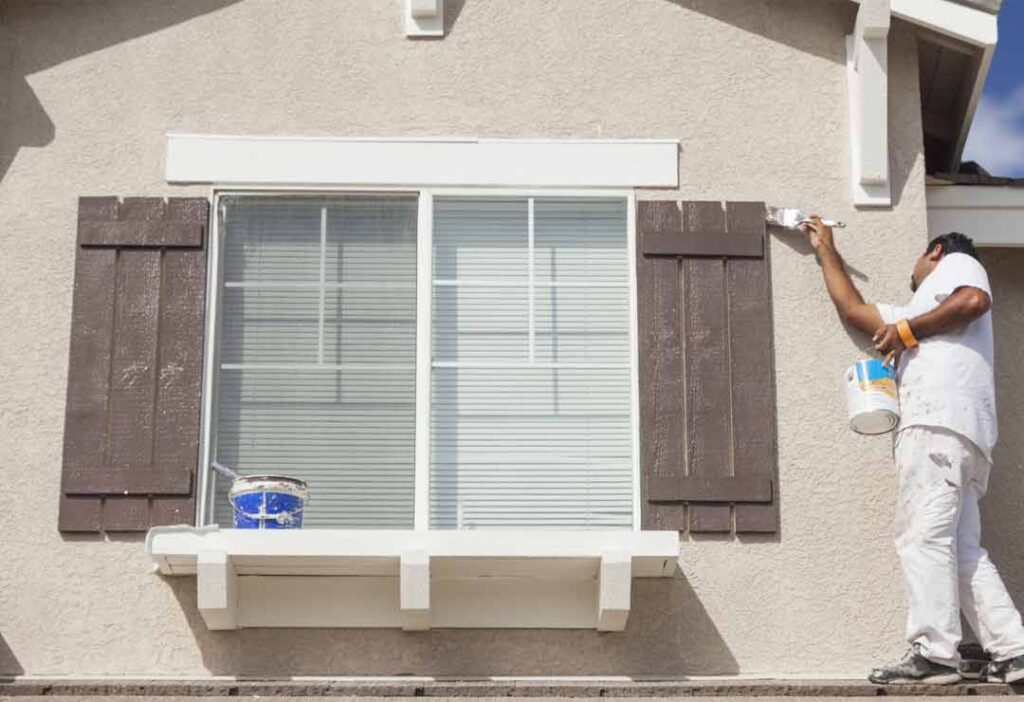


A fresh exterior sells confidence. A rushed paint job sells problems. I’ve walked properties where the color looked fine from the parking lot, but up close you could see peeling edges, hairline cracks, and paint sprayed onto light fixtures. Most failures come down to four things: weak prep, the wrong product, bad weather timing, or shortcuts taken to “finish faster.”
In this guide, I’ll show you how an Exterior Painting Contractor approaches a durable finish, what you should expect to pay, and how to compare bids without getting trapped by the lowest number. If you manage a home shopping mall or busy storefront, these steps help you plan work around foot traffic and tenant hours. Want a fast quote? Gather the details in the “Get a Quote” section and send them to your contractor.
What Does an Exterior Painting Contractor Do?
A professional Exterior Painting Contractor starts with inspection, not paint. The first visit should include a walk-around to check chalking, peeling, soft wood, rust stains, and moisture risks around gutters, downspouts, windows, and parapets.
Surface inspection & moisture checks
· Identifies failing areas (flaking, bubbling, mildew)
· Checks caulk joints and flashing points
· Uses a moisture meter when wood rot or trapped moisture is suspected
Prep: washing, scraping, sanding, caulking, priming
Prep is where the job is won. Exterior home painting services that last usually spend more time here than on the final coats.
· Gentle pressure washing or soft washing (depending on substrate)
· Scraping loose paint, feather-sanding edges
· Repairing minor rot, patching cracks, replacing damaged trim as scoped
· Caulking joints with paintable, exterior-grade sealant
· Priming bare spots and stains with the correct primer
Painting: spray/roll/brush, coats, dry times
A solid painting pro chooses the application method based on the surface and site conditions.
· Spray for speed and even coverage on large areas
· Back-rolling or back-brushing to push paint into pores
· Two-coat systems where needed (and on color changes)
· Respects cure times, humidity, and temperature windows
Cleanup & final walkthrough
At closeout, your contractor should pull masking cleanly, collect debris, and do a punch-list walk with you (or your facilities lead) to confirm edges, uniform sheen, and protected fixtures.
Exterior Painting Contractor Costs (Realistic Price Ranges)
Costs vary by region, access, and condition, but these ranges are a fair starting point for an exterior house painting contractor quote:
· Small single-story (approx. 1,000–1,500 sq ft): $2,500–$6,000
· Mid-size two-story (approx. 1,500–2,500 sq ft): $5,000–$12,000
· Large homes / complex elevations (2,500–4,000+ sq ft): $10,000–$25,000+
For malls, pricing is often driven by surface square footage, access method (lifts/scaffolding), and off-hours work.
Key pricing factors
· Siding material: wood, stucco, fiber cement, brick (each needs different prep and primers)
· Condition: peeling paint, wood rot, cracks, efflorescence
· Stories/height/access: ladders vs. scaffolds vs. lifts
· Prep level & primer needs: spot prime vs. full prime
· Paint quality & number of coats: premium resins cost more, but last longer
What “cheap” quotes usually skip
If a bid is dramatically lower, ask what they removed. Common cuts include: minimal scraping, bargain paint lines, no back-rolling, thin caulk, and rushed dry times. A reputable contractor will show you where the money goes.
17 Questions to Ask Before Hiring (Copy/Paste Checklist)
Use this list in email or on a call with any contractor:
1. Are you licensed for this work in my area?
2. Can you provide proof of liability insurance and workers’ comp?
3. Who will be on-site daily—employees or subcontractors?
4. Who is my point of contact (project manager/foreman)?
5. What prep steps are included (wash, scrape, sand)?
6. How will you handle repairs (wood rot, cracks, stucco patches)?
7. What paint brand/line will you use and why?
8. What primer type will you use on bare wood, metal, or stains?
9. What caulk do you specify for joints and gaps?
10. How many coats are included, and where do you recommend two coats?
11. What finish/sheens do you recommend for siding vs. trim?
12. How do you protect landscaping, glass, and tenant signage?
13. What is your weather plan (rain, high heat, wind)?
14. What are your working hours and noise controls (important for malls)?
15. What payment terms do you require (deposit and milestones)?
16. What warranty do you offer, and what voids it?
17. How do you handle final touch-ups and change requests?
Signs of a Great Exterior Painting Contractor
A top Exterior Painting Contractor is easy to spot once you know what “good” looks like:
· Detailed estimate: surface areas, prep steps, number of coats, materials
· Clear scope: what is painted, what is excluded, and what repairs are optional
· Paint specs listed: brand, product line, finish, and color system
· Proof: before/after photos of similar substrates and references you can call
· Professional warranty: written terms tied to workmanship, not vague promises
Red Flags to Avoid
Walk away if you see these:
· No proof of insurance (or they “can get it later”)
· Unrealistically low quote with no scope detail
· Pushy “today only” pricing
· Won’t name the paint products
· Demands full payment upfront
Exterior Painting Process (Step-by-Step)
Here’s the sequence a dependable Exterior Painting Contractor follows:
18. Inspection + color/finish selection
19. Wash + dry time
20. Scrape/sand + repairs
21. Prime (spot or full, as required)
22. Paint 2 coats (or a proven system for your substrate)
23. Touch-ups + walkthrough + cleanup
Best Paint Types & Finishes for Exteriors
Most modern exterior systems lean on high-quality acrylic latex for durability and flexibility. For stucco or hairline cracking, elastomeric coatings can bridge small cracks and improve water resistance. Your contractor should explain what matches your surface—not what’s easiest for the crew.
Recommended finishes
· Siding: flat or low-luster for a uniform look and to hide surface waves
· Trim/doors: satin or semi-gloss for easier cleaning and sharp lines
· Metal railings: durable enamel/alkyd or specialty metal systems where appropriate
Why paint quality matters in 2026
Paint makers are leaning hard into low-odor, low-VOC formulas and longer-life resins. Color forecasting is also shifting toward warm neutrals and grounded tones that stay readable in bright sun—think khaki, soft stone, and deeper browns. The right product choice is where a true Exterior Painting Contractor earns their keep.
How Long Does Exterior Paint Last?
A realistic lifespan depends on sun exposure, weather, prep, and substrate:
· Wood siding: often 5–10 years
· Stucco: often 7–12 years
· Fiber cement: often 10–15 years
· Brick (painted): varies widely; maintenance is key
Maintenance tips that actually help
· Keep gutters and downspouts working (water is the enemy)
· Wash mildew early—don’t let it spread under the film
· Re-caulk failing joints before water gets behind trim
· Touch up chips quickly to stop peeling from spreading
DIY vs Hiring an Exterior Painting Contractor
DIY can work for a small, easy, single-story area if you have the time, the right ladders, and mild conditions. But for two-story homes, commercial façades, or any place where tenants and shoppers are walking below, hiring an Exterior Painting Contractor reduces risk and improves longevity.
True DIY costs people ignore
· Equipment rentals (ladders, sprayers, pressure washer)
· Safety gear and fall risk
· Lost weekends and weather delays
· Rework when paint fails early
When DIY is OK vs. when to hire a pro
DIY is okay for touch-ups, small trim, or a shed. Hire a pro for height, extensive prep, lead-safe concerns on older buildings, and any project with strict scheduling (like a home shopping mall with tenant hours).
Get a Quote: What to Include (Fast, Accurate Estimate)
To get an accurate quote from an Exterior Painting Contractor, send:
· Home size + number of stories
· Siding type + current condition (peeling, cracking, chalking)
· Any repairs/rot you already see
· Color change or same color (big impact on coats)
· Timeline preference (and any off-hours needs)
FAQ
How much deposit is normal?
Many pros ask for a reasonable deposit with the balance tied to milestones, not to “when we feel done.”
Is pressure washing always required?
Usually yes, but the method matters. Delicate substrates may need soft washing to avoid damage.
How many coats do you need?
Often one coat for refresh over same color, and two coats for color changes or high exposure areas.
Best season to paint exterior?
Mild, dry windows with stable temperatures. Your Exterior Painting Contractor should schedule around dew, wind, and rain risk.
Do contractors repair wood rot?
Many do minor repairs, but major carpentry may be a separate line item.
Call to Action
If you want a finish that looks sharp on day one and still looks good years later, start with a documented scope and a quality paint system. Reach out to a qualified Exterior Painting Contractor for a site inspection and a written quote you can compare line by line.