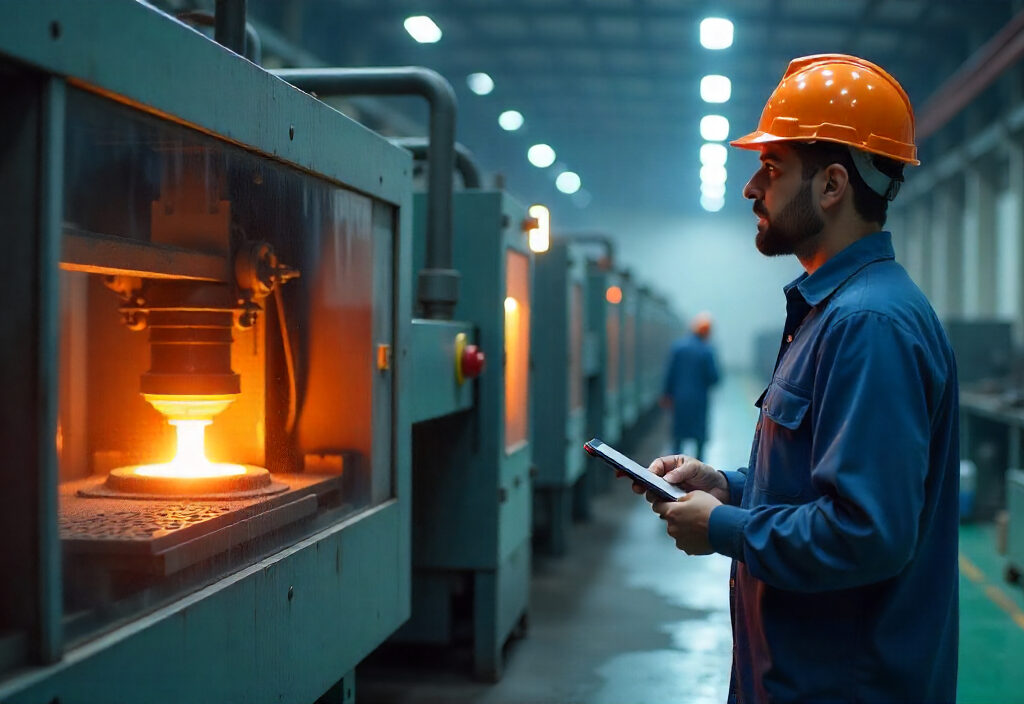

A factory floor operates smoothly when waste is low and production costs stay under control. This is why many manufacturers rely on Extrusion Blow Molding Machines. These machines shape hollow plastic products like bottles, jars, containers, cans, and drums with consistent quality. The more stable the process, the lower the waste. When waste goes down, overall production becomes more affordable and predictable.
Modern Blow Molding Machines have evolved into cost-saving tools that help factories increase output without increasing expenses. They offer accuracy, stability, and control over every stage of the forming process. All these strengths directly contribute to reducing waste and keeping budgets steady.
Why Reducing Waste Matters in Blow Molding Production
Waste affects more than just material cost. It influences efficiency, machine lifespan, energy consumption, and labor time. When manufacturing involves repeated defects, rejected products, and uneven wall thickness, the production line slows down. Materials are lost, molds wear out faster, and operators must rework or adjust settings more often.
Extrusion Blow Molding Machines reduce these issues by creating a controlled environment where temperature, melt flow, die pressure, and parison formation stay stable. This prevents defects before they occur, making it easier to achieve high output with minimal material loss.
1. Better Melt Control Means Lower Material Loss
A major reason waste occurs in older systems is poor melt consistency. If the melt is too thin or too thick, the parison cannot stretch evenly. This often results in holes, weak walls, or collapsed shapes.
Modern Extrusion Blow Molding Machines offer advanced melt temperature regulation. Precise heating zones ensure that plastic reaches the ideal viscosity before shaping. The result is a stable parison that maintains consistent form while stretching inside the mold. This stability dramatically reduces defect rates, saving large amounts of material.
2. Consistent Wall Thickness Reduces Defects
Wall thickness directly affects weight, quality, and product safety. When wall thickness varies too much, many containers become unusable. Thick walls add unnecessary material cost, while thin walls increase the risk of leakage or breakage.
Blow Molding Machines now use advanced die-head technology to control wall distribution. With accurate parison programming, factories can maintain uniform thickness across every batch. Stable wall thickness helps reduce scrap, eliminate rework, and maintain predictable product weights that save material over every production cycle.
3. Efficient Cooling Systems Reduce Cycle Time
Cooling is one of the most time-consuming stages in blow molding. Slow or uneven cooling increases cycle time and can cause defects like warping. Faster, balanced cooling means faster production and fewer flawed items.
Extrusion Blow Molding Machines use high-efficiency cooling channels that allow heat to escape quickly and evenly. As a result, parts stabilize sooner, molds open faster, and fewer products face shape or dimension issues. This helps manufacturers save energy and reduce time-based waste, which ultimately cuts costs.
4. Automation Reduces Human Error and Overspending
Human error is a major source of production waste. Incorrect settings, inconsistent monitoring, and slow response to issues can lead to hours of material loss.
Modern Blow Molding Machines include:
- Automated temperature and pressure control
- Parison monitoring systems
- Real-time alarms for melt or cycle deviations
These features help ensure operators do not have to constantly adjust the machine manually. Automation also prevents over-extrusion, under-extrusion, and uneven mold closing, all of which decrease waste.
5. Energy Savings Reduce Production Expenses
Material is not the only cost. Energy consumption can become a major burden for factories that run 24 hours a day. Advanced Extrusion Blow Molding Machines use efficient heating zones, servo motors, and optimized barrel designs. These improvements reduce the electricity required for melting and forming.
Faster cycles, fewer rejected parts, and improved heating efficiency together reduce both energy waste and expenses.
6. Regrind and Recycled Material Compatibility Cuts Costs Further
Many industries now use post-industrial and post-consumer recycled material. Older machines struggle with recycled blends because they require more precise temperature control. This leads to frequent defects.
Extrusion Blow Molding Machines are designed to handle:
- Recycled plastic blends
- Regrind material
- Mixed material compositions
This capability significantly lowers raw material expenses. When factories can reuse their own scrap, they reduce the need for fresh resin while still maintaining quality.
7. Real-Time Monitoring Prevents Costly Mistakes
When issues are detected late, entire batches can become waste. Modern Blow Molding Machines include sensor-based monitoring systems that track melt pressure, die temperature, parison stability, and mold alignment. Early detection allows operators to correct issues before material is wasted.
These monitoring systems also generate production data that factories can use to optimize material usage, predict machine maintenance, and maintain stable output.
Real-Time Example One
A packaging company producing detergent bottles faced high scrap rates due to inconsistent wall thickness. After switching to updated Extrusion Blow Molding Machines with parison programming, waste dropped noticeably. They reported lower material consumption per bottle, lowering production cost across the entire line.
Real-Time Example Two
A manufacturer producing large drums needed a machine that could handle recycled materials without quality problems. With upgraded melt control features, they were able to use higher percentages of recycled resin. This reduced raw material costs and kept scrap rates low.
Did You Know?
More than 55 percent of total waste in plastic container manufacturing comes from parison defects, uneven stretching, and cooling issues. Modern Extrusion Blow Molding Machines reduce these problems significantly through accurate melt control and stable wall distribution.
Comparison Table: Traditional Systems vs Modern Extrusion Blow Molding Machines
| Feature | Older Systems | Modern Extrusion Blow Molding Machines |
|---|---|---|
| Melt Control | Inconsistent melt creates defects and waste | Precise melt control reduces loss and improves uniformity |
| Cooling | Slower cooling often increases cycle time | Faster cooling shortens cycles and reduces shape defects |
| Material Use | Higher material consumption due to thick walls | Optimized wall distribution lowers material weight |
| Error Handling | Manual checks lead to delayed corrections | Real-time monitoring prevents waste before it occurs |
Conclusion: A Smarter Way to Reduce Waste and Costs
Extrusion Blow Molding Machines give manufacturers greater control over material use, wall consistency, cycle speed, and energy consumption. Their ability to maintain stable production with fewer defects lowers overall waste and helps factories manage budgets more effectively. With automated monitoring, better melt control, and improved cooling systems, these machines create a reliable path toward high-quality output and long-term savings. For businesses that depend on steady, predictable production, modern Blow Molding Machines provide a smart and dependable way to reduce waste and maintain cost efficiency.
More resources available at techarenaworld.com