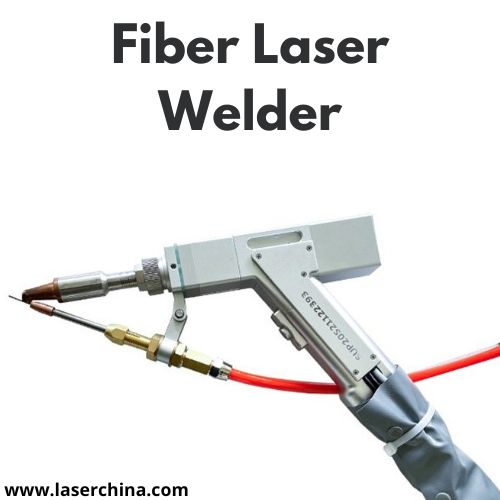

The demand for high-precision joining solutions has pushed industries to adopt tools capable of delivering clean, reliable, and repeatable welds. Among these tools, the fiber laser welder has become one of the most trusted technologies across manufacturing, metalworking, automotive repair, construction, custom fabrication, aerospace, and countless production setups. Its rise is not sudden; it comes from real industrial pressure to reduce waste, improve accuracy, and boost output without compromising quality.
A fiber laser welder brings together accuracy, power, and performance in a way that reshapes workflows. It simplifies complex welding tasks, supports materials that once required extensive preparation, and ensures consistent results even during long working hours. This guide explores how this machine fits into modern operations, why so many industries prefer it, and how it transforms daily welding processes.
Why the Fiber Laser Welder Has Become a Modern Industrial Standard
Across factories and workshops, decision-makers look for tools that reduce downtime and help teams deliver cleaner welds. The fiber laser welder offers a level of stability and control that helps operators complete demanding jobs with smooth, refined results. Instead of relying on older processes that generate extra heat, smoke, and cleanup, industries now depend on fiber-based welding systems that create a more stable working environment.
The machine is engineered to support both small and large-scale fabrication. Whether it’s thin stainless steel sheets for kitchen equipment, thick carbon steel plates for construction structures, or aluminum components for vehicle manufacturing, the fiber laser welder handles each with consistent performance. This has pushed companies to rethink how welding is integrated into their production lines.
How Fiber Laser Welding Supports Manufacturing Growth
Manufacturing units run on strict schedules. Production cycles often depend on how quickly and accurately components can be joined. Delays in welding stages can disrupt entire orders. This is where a fiber laser welder proves irreplaceable.
It offers a stable welding process that supports fast output. Operators can work continuously without long cooling periods. Industries appreciate how this machine fills the gap between speed and control—delivering both without forcing compromises.
Another major factor is training. Traditional welding methods typically require long operator experience to achieve clean results. With a fiber laser welder, new team members can learn the process within a shorter time because of its simplified workflow and easy handling. For businesses, this means fewer skill-related delays and more confidence in daily operations.
The Role of Fiber Laser Welding in Automotive and Metal Fabrication
Automotive production relies on reliable joints that can withstand heat, vibration, and long-term use. Exhaust systems, battery trays, body panels, brackets, hydraulic components, and frame structures require welding accuracy. A fiber laser welder delivers this level of control.
In auto repair and restoration, its ability to work on stainless steel, mild steel, and aluminum without distortion helps workshops finish jobs faster. For custom fabrication businesses, the machine provides the precision needed for decorative metalwork, architectural structures, railings, frames, and industrial equipment.
Metal fabrication shops use a fiber laser welder to maintain repeatable quality across multiple batches. As more clients demand refined finishes, this tool helps businesses produce work that meets modern expectations.
Construction and Infrastructure Applications
Construction companies deal with steel beams, pipes, plates, and structural elements that must hold under extreme load conditions. Using a fiber laser welder increases confidence in these joints because the machine creates clean and uniform welded seams.
In infrastructure projects involving bridges, transport systems, or industrial plants, welding precision contributes directly to long-term stability. Teams value how fiber-based welding systems handle onsite tasks as well as workshop production needs.
How the Fiber Laser Welder Helps Reduce Material Waste
Material waste increases cost and slows down production. During welding, traditional methods often overheat materials, create large pools of molten metal, or leave behind uneven surfaces that require grinding. Through its refined beam and controlled heat input, the fiber laser welder reduces extra material removal and supports cleaner finishing.
The reduced post-processing stage saves both time and consumables. Polishing, grinding, and reshaping after welding are minimized. For businesses working with expensive metals like stainless steel or aluminum, every saved millimeter counts.
Fiber Laser Welding for Small Businesses and DIY Professionals
The popularity of the fiber laser welder has grown not only in large factories but also among small manufacturers, workshop owners, metal artists, and home-based fabricators. Compact welding models allow users to produce high-quality results in limited spaces.
Small businesses appreciate that the machine adjusts easily to different material thicknesses and job types. Whether it is furniture frames, bike parts, stainless steel kitchen equipment, signage, custom metal pieces, or repair projects, the fiber laser system becomes a dependable daily tool.
DIY professionals who handle metal repairs, hobby builds, or creative metalwork also find value in the smooth welding control it provides.
Industrial Safety and Clean Working Conditions
Workplace safety is essential in welding environments. Excessive sparks, heavy smoke, and unstable heat can create risks for teams. Using a fiber laser welder supports a cleaner and more controlled workspace.
The stable heat input reduces material spatter, while the targeted beam improves visibility of the working area. Operators can see the welding line more clearly, allowing them to maintain a steady hand. This overall control contributes to a safer experience, especially in crowded or busy workshops.
The machine’s ergonomic design, comfortable grip, and easy handling also keep operators productive without strain.
How Industries Maintain Productivity With Fiber Laser Welding
Many welding setups face downtime when switching materials or adjusting parameters. The design of a fiber laser welder helps reduce these interruptions. Industrial teams can switch between projects smoothly, adjust settings quickly, and maintain consistent welding quality across different material types.
This flexibility helps manufacturers handle diverse orders without slowing down production cycles. From batch orders to custom requests, the machine adapts to wide-ranging tasks.
The Growing Demand for Fiber Laser Welders Across the World
The global shift toward advanced manufacturing has increased interest in laser-based welding systems. As more companies modernize their production lines, the fiber laser welder becomes a central piece of equipment.
Industries transitioning from traditional welding methods look for tools that support long-term growth. The reliability, stability, and precision of a fiber laser system make it an investment that continues to deliver value over time. Manufacturers recognize that this technology supports quality consistency, which builds customer trust and strengthens business reputation.
Future Trends in Laser Welding Technology
As production needs grow, industries continue to seek machines that combine power with control. The fiber laser welder is evolving in response to these expectations. Newer systems support improved handling, more customized welding patterns, and greater adaptability to new materials.
Workshops and factories adopting this technology now position themselves ahead in terms of output quality. As industry standards continue to rise, mastering this welding method becomes a long-term advantage.
Final Thoughts
A fiber laser welder is more than a simple welding machine. It represents a shift toward precise, clean, and reliable metal joining across industries. From automotive manufacturing to construction, from small workshops to large factories, its role continues to expand. Businesses that invest in this technology strengthen their production quality, support long-term growth, and stay aligned with modern industrial demands.