
Flexible hose is a vital part of any boat’s engine and plumbing system. Without it, water, fuel, and air cannot move where they need to go. But a flexible hose alone is not enough. You also need a hose clip to hold it tight. That little metal or plastic ring stops leaks and keeps everything running smoothly. In this post, I will explain why both parts matter. I will also show you how Climax Marine makes some of the best clamps on the market.
Boats face tough conditions. Waves, salt, heat, and vibration try to break things. A loose hose can sink a boat or ruin an engine. That is why smart boat owners use strong parts. Climax Marine has been helping sailors for years. Their hose clips are known for being tough and reliable. Let me walk you through what you need to know.
What Is a Flexible Hose?
A flexible hose is a tube that bends. Unlike rigid pipe, it can twist and turn around corners. This makes it perfect for boats. Engines shake. Space is tight. A flexible hose fits where metal pipes cannot go.
Most flexible hoses are made from rubber or silicone. Some have fabric inside for extra strength. Others have wire coils to stop them from collapsing. The right hose depends on what it carries. Water hoses are different from fuel hoses. Oil hoses need special linings.
For example, a cooling hose moves seawater through the engine. It must handle heat and salt. A fuel hose must resist chemicals. A ventilation hose moves air into the bilge. Each type of flexible hose has a specific job. Using the wrong one can cause big trouble.
Climax Marine does not make hoses. But they make the clips that hold them. And a good clip is just as important as a good hose.
Understanding the Hose Clip
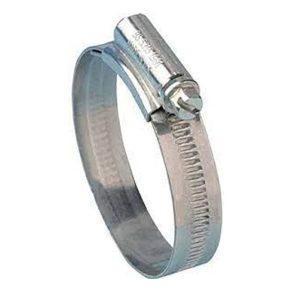
A hose clip is a circular clamp. You put it around the end of a flexible hose. Then you tighten it. This squeezes the hose onto a fitting, like a metal tube or a pump outlet. The clip stops the hose from slipping off. It also stops leaks.
People call hose clips many names: hose clamps, jubilee clips, or band clamps. But they all do the same job. They hold tight.
There are different types of hose clips. The most common is the worm drive clip. It has a screw that you turn with a screwdriver or a nut driver. As you turn, the band gets tighter. Another type is the spring clip. It uses spring pressure. You pinch it open, slide it on, and let go. Spring clips are fast but less strong.
For boats, worm drive clips are best. They can be tightened as much as you need. Climax Marine makes worm drive clips from stainless steel. This is important because stainless steel does not rust in saltwater. Cheap clips made from plain steel will corrode fast. Then they break. And a broken hose clip means a loose hose. That can lead to flooding or fire.
Why Climax Marine Is Your Best Choice
Now you know what these parts do. But why pick Climax Marine? Many brands sell hose clips. However, not all are equal. Some use thin metal that bends. Others have weak screws that strip. Climax Marine builds their clips for real boats.
First, their clips use 316 stainless steel. This is the highest grade for marine use. It resists salt, sun, and heat. Second, the band has smooth edges. It will not cut into your flexible hose. Third, the screw housing is sealed. Dirt and water cannot get inside. That means no jamming.
I have used Climax Marine clips on my own boat. After two seasons in saltwater, they still look new. The screw turns easily. The band holds tight. That is quality you can trust.
Climax Marine also offers many sizes. From tiny clips for small fuel lines to large ones for big cooling hoses. You can find the right fit every time. They even make extra-wide clips for soft hoses. A wide clip spreads pressure evenly. This stops the hose from getting crushed.
How to Pick the Right Flexible Hose for Your Boat
Choosing a flexible hose is not hard. But you must know a few rules. First, check the hose’s working pressure. Every hose has a rating. For example, a fuel line may need 50 PSI. A cooling line may need less. Pick a hose that meets or beats your engine’s needs.
Second, look at temperature range. Engine rooms get hot. Some hoses melt at 200 degrees. Others handle 300 degrees. Go higher than you think you need.
Third, check the inner diameter. This is the width of the hole inside the hose. It must match your fitting. A 1-inch hose needs a 1-inch fitting. If it is too loose, even a tight hose clip will not seal. If it is too tight, you cannot push it on.
Fourth, think about bend radius. How sharp can the hose turn without kinking? A stiff hose needs gentle curves. A softer hose can bend more. Measure your space before buying.
Finally, buy from a known brand. Cheap no-name hoses fail fast. They crack, swell, or go soft. Then you need to replace them. That costs time and money. Instead, buy a good flexible hose once. Pair it with a Climax Marine hose clip. You will be safe for years.
Installing a Hose Clip the Right Way
Putting on a hose clip seems easy. But many people do it wrong. Then they get leaks. Here is the correct method.
First, slide the clip onto the hose before you push the hose onto the fitting. This sounds simple, yet many forget. Then they have to start over.
Second, push the hose all the way onto the fitting. It should go past the raised ridge or barb. That ridge is there to help the clip hold. If the hose stops before the ridge, the clip will not work.
Third, position the clip behind the ridge. Not on top of it. Not in front of it. Right behind. This gives the best grip.
Fourth, tighten the screw. Do not use too much force. Snug is good. Then try to twist the hose. If it spins, tighten more. But if you see the hose bulging, you went too far. Back off a little.
For soft hoses, use two clips. Put them next to each other. This doubles the holding power. Climax Marine sells packs of two for this reason.
Also, check the clip after your first trip. Vibration can loosen the screw. A quick retighten takes one minute. It can save your engine.
Real-Life Story: How a Hose Clip Saved My Trip
Last summer, I was motoring to a small island. The engine sounded fine. Then I smelled fuel. I opened the engine hatch. A small drip was coming from the fuel line. The flexible hose was still on the fitting. But the old clip had loosened.
I carry spare Climax Marine clips for this reason. In five minutes, I cut off the old clip. I slid on a new one. I tightened it. The leak stopped. I made it to the island safely.
If I did not have that spare clip, fuel would have kept dripping. That is a fire risk. Also, I would have run out of fuel before reaching shore. That one small part saved my weekend.
Do not wait for a leak to happen. Check your clips now. Buy spares. Keep them in your toolbox.
Where to Buy Climax Marine Products
You can find Climax Marine hose clips at most boat supply stores. Also online. Their website shows all sizes. They ship fast. Prices are fair for the quality.
When you buy, get a mix of sizes. One pack of small clips for fuel lines. One pack of medium for water lines. One pack of large for cooling hoses. Then you are ready for anything.
Also buy a good screwdriver or nut driver that fits the clips. A worn tool can strip the screw. Keep it in your boat’s tool kit.
Final Thoughts on Flexible Hose and Hose Clip
A boat is a collection of parts. Each part must work. The flexible hose moves fluids. The hose clip holds it together. Neither can do the job alone. They need each other.
Climax Marine understands this. That is why they build clips that last. Their products give you peace of mind. You can enjoy your time on the water. You do not have to worry about leaks or failures.