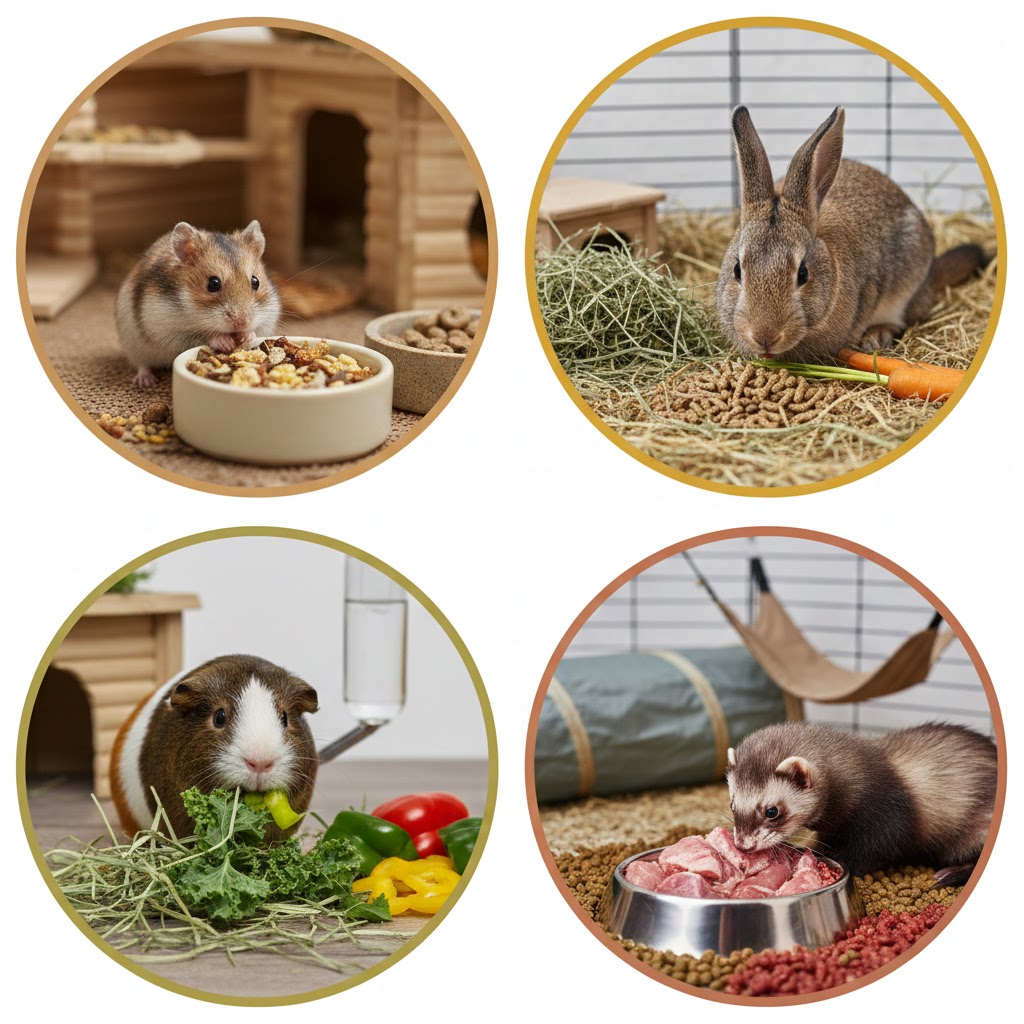

Feeding small pets may seem simple, but in reality, each species has very specific nutritional requirements. What works for a hamster may be harmful for a rabbit, and what’s healthy for a guinea pig could leave other pets lacking essential nutrients. Choosing the right food for small pets is one of the most important responsibilities of a pet parent—it directly impacts digestion, immunity, lifespan, and overall happiness.
In this in-depth guide, we’ll break down the best food for small pets based on species needs, explain what nutrients matter most, compare diet types, highlight common feeding mistakes, include helpful tables, explore upcoming trends, and guide you on shopping smartly from Pet Supplies Online.
Why Species-Specific Nutrition Matters for Small Pets
Small animals may share a similar size, but their digestive systems, teeth structure, and nutrient needs vary greatly. Feeding the wrong small animal food can cause:
- Digestive upset
- Dental disease
- Vitamin deficiencies
- Obesity or malnutrition
- Shortened lifespan
Providing the correct food for small pets ensures proper growth, strong immunity, and natural behavior.
Understanding the Core Diet Components
Before diving into species-specific diets, it’s important to understand the basic building blocks of small pet nutrition.
Key Nutritional Elements
- Fiber: Supports digestion and dental health
- Protein: Builds muscle and supports growth
- Fats: Provides energy (needed in moderation)
- Vitamins & Minerals: Support immunity and organ function
- Water: Often overlooked but essential
The balance of these nutrients differs for each species.
Best Food for Rabbits
Rabbits are strict herbivores with highly sensitive digestive systems.
Rabbit Dietary Needs
- Extremely high fiber
- Low fat and sugar
- Continuous chewing for dental health
Ideal Rabbit Diet Breakdown
- 80–85% hay (timothy, orchard grass)
- 10% fresh leafy greens
- 5% pellets (high-fiber, no seeds)
❌ Avoid sugary treats, grains, and processed snacks.
Choosing the right food for small pets like rabbits helps prevent GI stasis and dental overgrowth.
Best Food for Guinea Pigs
Guinea pigs have one critical requirement: vitamin C, which they cannot produce on their own.
Guinea Pig Dietary Needs
- High fiber
- Daily vitamin C intake
- Moderate protein
Ideal Guinea Pig Diet
- Unlimited grass hay
- Vitamin C–fortified pellets
- Fresh vegetables like bell peppers and leafy greens
Without proper small animal food, guinea pigs can develop scurvy and immune issues.
Best Food for Hamsters
Hamsters are omnivores and require a varied diet.
Hamster Dietary Needs
- Balanced protein and fiber
- Small amounts of healthy fats
- Variety for enrichment
Ideal Hamster Diet
- Fortified pellet or lab block
- Small portions of seeds and grains
- Occasional fruits and vegetables
Avoid seed-only mixes, which lead to selective feeding and nutritional imbalance.
Best Food for Gerbils
Gerbils thrive on a diet similar to hamsters but with less fat.
Gerbil Dietary Needs
- Moderate protein
- Lower fat than hamsters
- Chew-friendly foods
A quality small animal food for gerbils should emphasize grains, pellets, and occasional fresh produce.
Best Food for Mice and Rats
Rats and mice are intelligent omnivores with higher protein needs.
Diet Guidelines
- High-quality lab blocks
- Fresh vegetables
- Occasional protein sources (eggs, legumes)
Rats especially benefit from varied textures and flavors for mental stimulation.
Species-Based Food Comparison Table
| Pet | Primary Diet | Special Requirement |
| Rabbit | Hay-based | Extremely high fiber |
| Guinea Pig | Hay + pellets | Daily vitamin C |
| Hamster | Pellets + variety | Balanced omnivore |
| Gerbil | Pellets + grains | Lower fat |
| Rat | Lab blocks | Higher protein |
This table highlights why choosing the right food for small pets matters.
Pellets vs Mixes: What’s Better?
Pellets (Recommended)
- Balanced nutrition
- Prevent selective eating
- Vet-approved
Seed Mixes
- Encourages picky eating
- Often high in fat
- Poor nutritional balance
High-quality pellets should be the foundation of any small animal food plan.
Fresh Foods: What’s Safe and What’s Not
Fresh foods add variety and enrichment—but must be chosen carefully.
Safe Options
- Leafy greens (romaine, cilantro)
- Bell peppers
- Carrots (small amounts)
Foods to Avoid
- Onions
- Garlic
- Chocolate
- Sugary fruits in excess
Always introduce fresh foods slowly.
How Treats Fit into a Healthy Diet
Treats should never replace balanced meals.
Treat Rules
- No more than 5–10% of total diet
- Species-appropriate
- No added sugar or dyes
Healthy treats complement—not replace—quality food for small pets.
Common Feeding Mistakes Pet Owners Make
Avoid these frequent errors:
- Overfeeding pellets
- Ignoring hay requirements
- Offering human food
- Not adjusting diet with age
- Feeding one-size-fits-all diets
Correcting these mistakes improves health quickly.
Life Stage Nutrition: Young vs Adult vs Senior Pets
Young Pets
- Higher protein
- Growth-focused nutrition
Adult Pets
- Maintenance diets
- Balanced fiber and energy
Senior Pets
- Easy-to-digest foods
- Joint and immune support
Age-appropriate small animal food helps pets thrive at every stage.
Buying Food for Small Pets from Pet Supplies Online
Shopping from Pet Supplies Online offers several advantages:
- Wide selection of species-specific diets
- Clear ingredient labels
- Customer reviews
- Auto-delivery convenience
Reputable retailers make it easier to find trusted food for small pets without guesswork.
Storage and Freshness Tips
Improper storage reduces nutritional value.
Best Practices
- Store food in airtight containers
- Keep in cool, dry areas
- Check expiration dates regularly
Fresh food supports better digestion and immunity.
Upcoming Trends in Small Pet Nutrition
Small pet nutrition is evolving rapidly.
1. Species-Specific Formulas
Tailored diets based on digestive science.
2. Natural & Organic Ingredients
Fewer fillers, more whole foods.
3. Hay-Based Complete Diets
Reducing reliance on pellets.
4. Functional Nutrition
Foods targeting dental, gut, and immune health.
5. Sustainable Packaging
Eco-friendly options increasingly available via Pet Supplies Online.
Quick Checklist: Are You Feeding Correctly?
- Species-specific diet chosen
- Unlimited hay (where required)
- Fresh foods in moderation
- Treats limited
- Clean water always available
If yes, you’re on the right track.
Conclusion
There is no universal solution when it comes to food for small pets. Each species has unique dietary needs that must be respected to ensure long, healthy lives. By choosing the right small animal food, avoiding common feeding mistakes, and staying informed about nutritional trends, pet owners can provide optimal care.
Shopping from trusted Pet Supplies Online retailers makes it easier to find high-quality, species-appropriate diets that support health, happiness, and longevity. When nutrition is right, small pets truly thrive.
FAQs: Food for Small Pets
1. Can all small pets eat the same food?
No. Each species has unique nutritional needs and should be fed accordingly.
2. Is hay necessary for all small pets?
Hay is essential for rabbits and guinea pigs but optional for others.
3. How often should I feed small pets?
Most pets eat daily, with hay available at all times for herbivores.
4. Are treats bad for small pets?
Not if given in moderation and chosen carefully.
5. Where can I buy quality food for small pets online?
Trusted Pet Supplies Online retailers offer species-specific, well-reviewed nutrition options.
Read More:- High-Quality Freshwater Fish Food for Daily Feeding