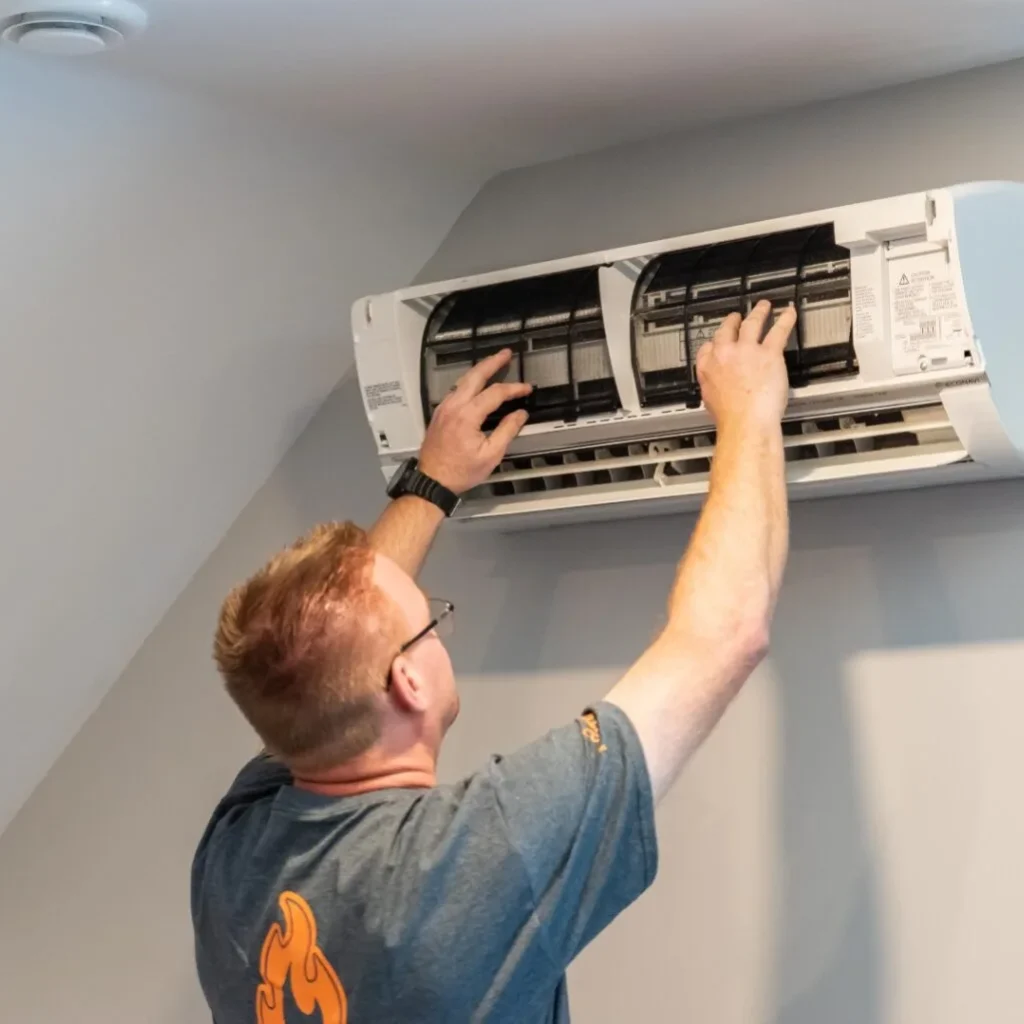

Heat pumps are becoming very popular.
More homeowners choose them every year.
They heat your home in winter.
They cool your home in summer.
They use less energy than many old systems.
If you are thinking about heat pump installation, this guide is for you.
It explains the process in simple words.
No technical talk.
Just clear steps you can understand.
Homeowners in Kingston, Ontario can also benefit from working with trusted local HVAC professionals like Northern Climate.
What Is a Heat Pump?
A heat pump moves heat.
It does not create heat like a furnace.
In winter, it pulls heat from outside air.
In summer, it pushes heat out of your home.
This makes it very efficient.
It also makes it good for the environment.
Heat pumps work well in many Canadian homes today.
Why More Homeowners Choose Heat Pumps
Heat pumps offer many benefits.
Here are a few reasons people love them:
- Lower energy bills
- Heating and cooling in one system
- Quiet operation
- Cleaner air
- Less carbon use
They also work well with modern insulation.
Types of Heat Pumps for Homes
Not all heat pumps are the same.
Choosing the right one matters.
Air Source Heat Pumps
These are the most common.
They pull heat from outdoor air.
They are affordable.
They work well in mild and cold climates.
Ductless Mini Split Heat Pumps
These systems have no ducts.
They are great for older homes or additions.
Each room can have its own unit.
This gives better control.
Ground Source Heat Pumps
These use heat from the ground.
They are very efficient.
But they cost more to install.
Not every home is suitable.
Is Your Home Ready for Heat Pump Installation?
Before installation, your home needs a check.
Things to consider include:
- Home size
- Insulation level
- Electrical system
- Existing heating system
Good insulation helps heat pumps work better.
A professional assessment is always smart.
1: Choosing the Right Heat Pump Size
Size matters a lot.
A system that is too small will struggle.
A system that is too large will waste energy.
Professionals calculate the right size.
They look at your home layout and climate.
This step is key to comfort and savings.
2: Selecting the Installation Location
Placement affects performance.
The outdoor unit needs airflow.
It should not be blocked by snow or debris.
Indoor units should be placed evenly.
This helps heat spread properly.
Good placement reduces noise and improves comfort.
3: Preparing for Installation Day
Before installation begins, some prep is needed.
You may need to:
- Clear space
- Secure pets
- Make rooms accessible
Installers may also check wiring.
This helps avoid delays.
A little prep makes installation smooth.
4: The Heat Pump Installation Process
On installation day, the team gets to work.
They install indoor and outdoor units.
They connect refrigerant lines.
They test electrical connections.
The system is then tested fully.
This ensures it runs safely and correctly.
Most installations take one day.
5: System Testing and Setup
After installation, testing begins.
The installer checks:
- Heating mode
- Cooling mode
- Airflow
- Thermostat settings
They also show you how to use the system.
This is your chance to ask questions.
Understanding Heat Pump Controls
Heat pumps come with smart controls.
You can set schedules.
You can control temperature easily.
Some systems work with mobile apps.
This adds convenience.
Learning controls helps save energy.
Common Mistakes Homeowners Should Avoid
Some mistakes can reduce system life.
Avoid these:
- Skipping professional installation
- Ignoring maintenance
- Blocking airflow
- Setting extreme temperatures
Heat pumps work best with steady settings.
Energy Savings After Heat Pump Installation
Many homeowners notice savings fast.
Heat pumps use electricity wisely.
They do not burn fuel.
This reduces monthly bills.
It also reduces emissions.
Over time, savings add up.
Heat Pump Maintenance Basics
Maintenance keeps systems healthy.
Simple steps include:
- Cleaning filters
- Keeping outdoor unit clear
- Scheduling yearly inspections
A well-maintained heat pump lasts longer.
It also runs more efficiently.
When to Call a Professional
DIY is fine for small tasks.
But some issues need experts.
Call a professional if you notice:
- Weak heating or cooling
- Strange noises
- Error codes
- Rising energy bills
Quick service prevents bigger problems.
Why Professional Installation Matters
Heat pump installation is not a DIY job.
Professionals ensure:
- Proper sizing
- Safe wiring
- Correct refrigerant levels
- Warranty protection
A poor install can cause future issues.
A good install gives peace of mind.
Choosing the Right HVAC Contractor
Always choose carefully.
Look for contractors who offer:
- Heat pump experience
- Clear pricing
- Good reviews
- Local service
Local experts understand Kingston’s climate best.
How Northern Climate Helps Homeowners
Northern Climate provides reliable HVAC services in Kingston, Ontario.
They work with residential and commercial systems.
Their team understands heat pump installation from start to finish.
They focus on comfort, efficiency, and long-term performance.
Having a trusted local company makes the process easy.
Final Thoughts
Heat pump installation is a smart choice for homeowners.
It offers comfort, savings, and efficiency.
With the right system and proper installation, you can enjoy year-round comfort.
Preparation and professional support make all the difference.
If you are planning to upgrade your home system, a heat pump is worth considering.
Frequently Asked Questions (FAQs)
1. How long does heat pump installation take?
Most home installations take one full day.
Larger systems may take longer.
2. Are heat pumps good for Canadian winters?
Yes. Modern heat pumps work well in cold climates.
Proper sizing is important.
3. Do heat pumps need a lot of maintenance?
No. Basic cleaning and yearly service are usually enough.
4. Can a heat pump replace my furnace?
Yes. Many homes replace furnaces fully.
Some use a hybrid system.
5. Is professional heat pump installation necessary?
Yes. Proper installation ensures safety, efficiency, and warranty coverage.