
Heating Radiator Market Outlook
According to the report by Expert Market Research (EMR), the global heating radiator market reached a value of approximately USD 7.65 billion in 2025. Aided by the rising demand for energy-efficient heating solutions, increasing construction activities, and growing focus on indoor thermal comfort, the market is projected to witness steady growth in the forecast period. The industry is further expected to grow at a CAGR of about 6.70% between 2026 and 2035, reaching a value of around USD 14.63 billion by 2035.
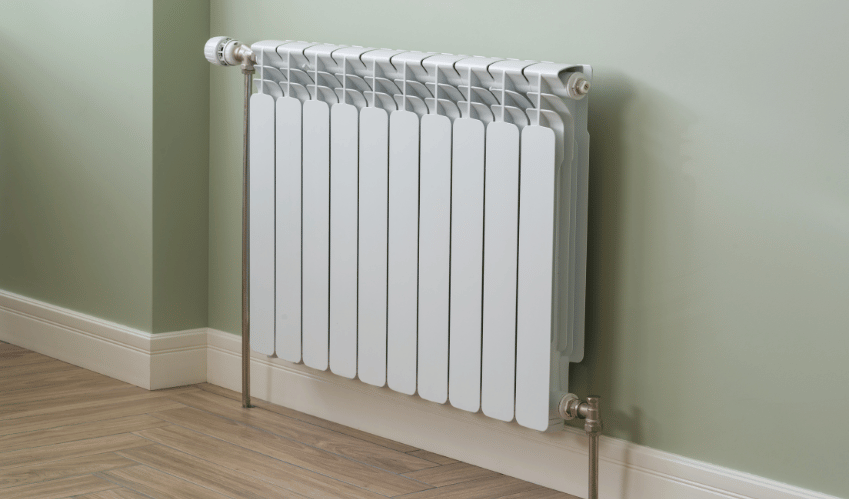
Heating radiators are essential components of space heating systems, designed to transfer thermal energy from a heat source to indoor environments through radiation and convection. They are widely used across residential, commercial, and industrial buildings to maintain comfortable indoor temperatures, particularly in regions experiencing cold and temperate climatic conditions. Heating radiators are available in various forms, including panel radiators, column radiators, towel radiators, and convectors, and are manufactured using materials such as steel, aluminium, and cast iron.
The global heating radiator market is witnessing significant expansion due to rapid urbanisation, population growth, and the rising demand for modern heating infrastructure. Additionally, growing awareness regarding energy conservation and stringent regulations aimed at reducing carbon emissions are encouraging the adoption of advanced and efficient radiator systems, thereby supporting market growth.
Heating Radiator Market Trends
One of the key trends shaping the global heating radiator market is the increasing adoption of energy-efficient and low-carbon heating solutions. Governments across several countries are implementing strict energy efficiency standards and building regulations to reduce greenhouse gas emissions. As a result, manufacturers are focusing on developing radiators that offer enhanced heat output, faster warm-up times, and improved energy efficiency.
Another notable trend is the rising popularity of smart and connected heating systems. The integration of heating radiators with smart thermostats and building management systems allows users to monitor and control indoor temperatures remotely, optimising energy usage and reducing heating costs. This trend is particularly prominent in developed regions, where smart home adoption is rapidly increasing.
The market is also witnessing a growing demand for aesthetically designed and space-saving radiators. Modern consumers prefer heating radiators that not only deliver efficient heating but also complement interior décor. Designer radiators, vertical radiators, and customised models are gaining traction, especially in residential and commercial renovation projects.
Furthermore, the shift towards renewable energy-based heating systems, such as heat pumps and district heating networks, is influencing radiator design and performance requirements. Low-temperature radiators compatible with heat pump systems are increasingly being adopted, contributing to market evolution.
Get a Free Sample Report with Table of Contents
Drivers of Growth
The primary driver of growth in the global heating radiator market is the expansion of the residential and commercial construction sector. Rapid urbanisation, rising disposable incomes, and increasing investments in infrastructure development are leading to a surge in new housing projects and commercial buildings, thereby boosting the demand for heating radiators.
The growing need for energy-efficient heating solutions is another significant factor propelling market growth. Traditional heating systems consume substantial amounts of energy, leading to higher operational costs and environmental concerns. In response, consumers and businesses are increasingly adopting modern radiators that provide efficient heat distribution while minimising energy consumption.
Climatic conditions also play a crucial role in driving market demand. Regions experiencing long winters and cold weather conditions rely heavily on indoor heating systems, making heating radiators an essential necessity rather than a luxury. This is particularly evident in Europe and North America, where heating radiators are widely installed in residential and commercial buildings.
Additionally, the renovation and retrofitting of existing buildings is contributing to market expansion. Ageing heating infrastructure in developed economies is being replaced with advanced radiator systems to improve energy efficiency and meet updated regulatory standards, further supporting market growth.
Challenges and Opportunities
Despite its positive growth outlook, the global heating radiator market faces certain challenges. One of the major challenges is the high initial installation cost associated with advanced radiator systems and smart heating solutions. This can act as a barrier to adoption, particularly in price-sensitive markets and developing economies.
Another challenge is the increasing competition from alternative heating technologies, such as underfloor heating systems and air-based heating solutions. These alternatives offer uniform heat distribution and are increasingly preferred in modern building designs, potentially limiting the growth of traditional radiator systems.
However, the market presents several growth opportunities. The rising adoption of renewable energy and sustainable heating systems creates significant opportunities for manufacturers to develop radiators compatible with low-temperature heating sources. Innovations in materials and design can further enhance radiator efficiency and performance.
Emerging economies also offer untapped potential due to rapid urban development, improving living standards, and growing awareness of indoor comfort solutions. Expanding distribution networks and strategic partnerships in these regions can help market players capitalise on new growth avenues.
Heating Radiator Market Forecast
The global heating radiator market is expected to witness robust growth during the forecast period of 2026–2035. Supported by technological advancements, increasing demand for energy-efficient heating solutions, and favourable government policies promoting sustainable building practices, the market is projected to grow at a CAGR of about 6.70%.
By 2035, the market is anticipated to reach a value of approximately USD 14.63 billion, reflecting strong demand across residential, commercial, and industrial sectors. Europe is expected to remain a dominant regional market due to cold climatic conditions and stringent energy efficiency regulations, while Asia Pacific is projected to experience the fastest growth owing to rapid urbanisation and expanding construction activities.
Overall, the global heating radiator market is poised for steady expansion, driven by innovation, sustainability initiatives, and the growing emphasis on energy-efficient indoor heating solutions.
Frequently Asked Questions (FAQs)
1. What is the current size of the global heating radiator market?
The global heating radiator market was valued at approximately USD 7.65 billion in 2025.
2. What is the expected growth rate of the heating radiator market?
The market is expected to grow at a CAGR of about 6.70% during 2026–2035.
3. What will be the market value of heating radiators by 2035?
By 2035, the global heating radiator market is projected to reach around USD 14.63 billion.
4. What are heating radiators used for?
Heating radiators are used to transfer heat into indoor spaces to maintain comfortable temperatures in residential, commercial, and industrial buildings.
5. Which factors are driving the growth of the heating radiator market?
Key drivers include rising construction activities, increasing demand for energy-efficient heating systems, cold climatic conditions, and growing focus on indoor thermal comfort.