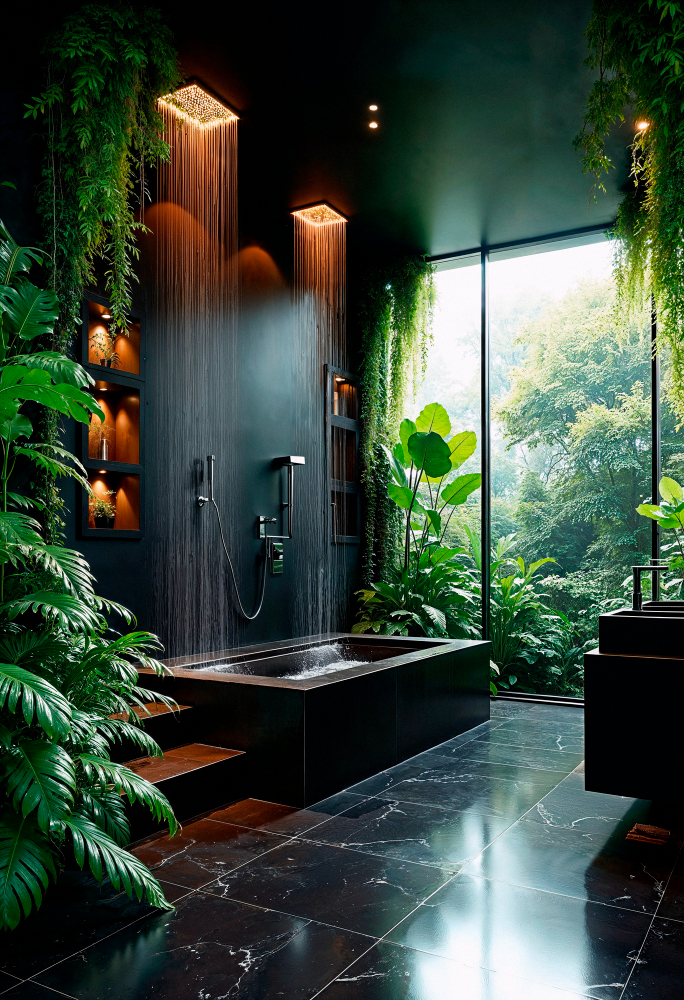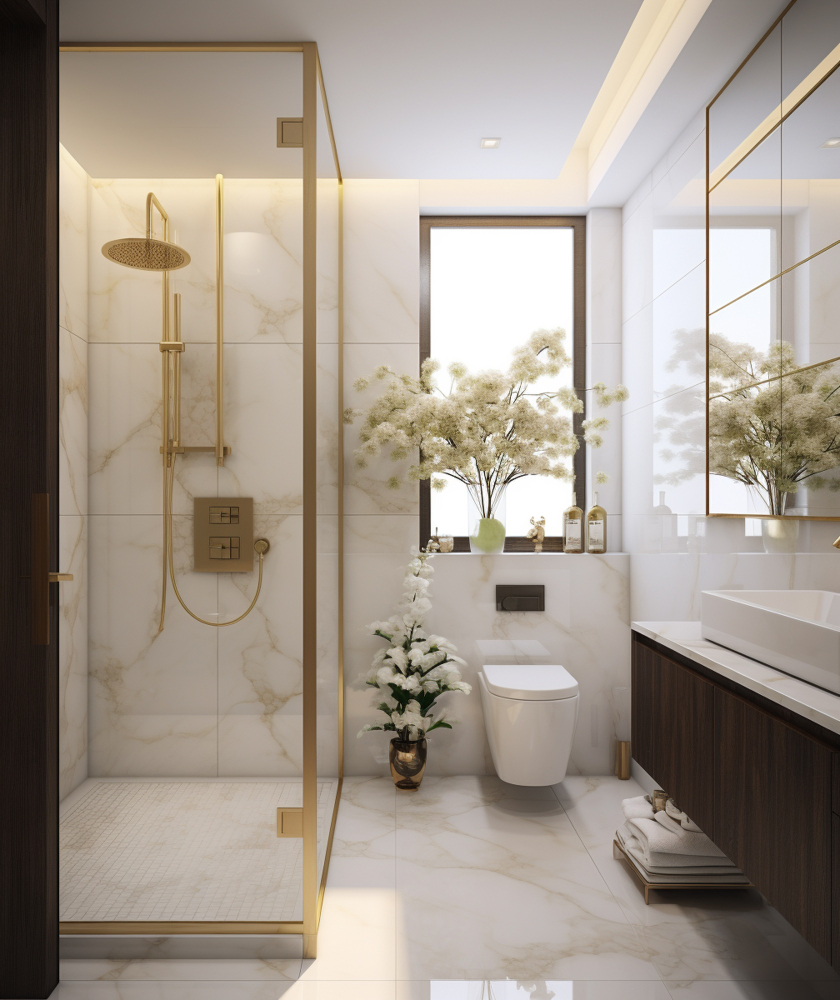

Hinged frameless enclosures are one of the most elegant ways to complete a bathroom remodel. Their clean glass lines, minimal hardware, and smooth swinging motion create a spa-like feel that fits beautifully into modern, transitional, and classic interiors. For homeowners wanting a Luxury Shower Enclosure that feels open and refined, a hinged frameless design is often a top choice.
This guide breaks down how hinged frameless enclosures work, their advantages, potential limitations, and the bathroom layouts where they perform best.
1. What Is a Hinged Frameless Enclosure?
A hinged frameless enclosure uses thick tempered glass panels paired with premium hinges that allow the door to swing open. Many designs open outward, while some models swing both inward and outward depending on hardware and layout needs.
Unlike framed enclosures, these doors rely on high-quality hardware rather than bulky metal frames, giving the shower a floating appearance. Their clarity and simplicity make them an excellent option for anyone aiming to create a Luxury Shower Enclosure that showcases tilework, stone, and lighting.
2. Pros of Hinged Frameless Enclosures
1. Clean, High-End Aesthetic
The frameless style creates a timeless visual impact. With minimal hardware and large glass panels, the enclosure feels spacious and upscale—ideal for homeowners designing a true Luxury Shower Enclosure.
2. Wide, Comfortable Entry
Unlike sliding doors, hinged doors swing open fully, providing a wide, welcoming entry. This adds comfort, reduces crowding, and works exceptionally well in primary bathrooms.
3. Strong, Durable Construction
Hinged frameless enclosures typically use 3/8″ or 1/2″ tempered glass supported by solid metal hinges. This creates excellent long-term stability and smooth operation.
4. Easy to Clean
With fewer metal components and no sliding tracks, these enclosures are simple to clean and maintain. The seamless glass makes water spots or soap residue easier to remove.
5. Enhanced Visibility
Clear frameless doors make the bathroom appear larger and highlight premium tile, stone slabs, or decorative patterns inside the shower—adding visual value without overwhelming the space.
3. Cons of Hinged Frameless Enclosures
1. Requires Door Swing Clearance
The door must open outward without hitting a vanity, toilet, or wall. Tight bathrooms may not support a hinged configuration unless the door can swing inward.
2. Not Ideal for Small Bathrooms
Compact layouts often benefit more from sliding or bi-fold designs that don’t require floor space for door swing.
3. Higher Upfront Cost
Since these enclosures use thicker glass and premium hinges, they cost more than framed or sliding options. However, for those seeking a Luxury Shower Enclosure, the investment often pays off in longevity and design quality.
4. Water Management Needs Attention
Because hinged doors don’t use full-length bottom tracks, proper sealing and smart showerhead placement are important to prevent splashing.
4. Best Layouts for Hinged Frameless Enclosures
Hinged frameless systems excel in certain bathroom layouts. Here’s where they perform best:
1. Corner Showers with Open Floor Space
Corner configurations with enough room for door swing are ideal. The enclosure adds balance and creates a polished focal point.
Best for:
- Medium and large bathrooms
- Modern remodels
- Designs highlighting stone, marble, or decorative tile
2. Alcove Showers with Clear Entry Path
If the alcove has enough open space in front, hinged doors feel luxurious and easy to use.
Best for:
- Simple rectangular alcoves
- Remodels where the toilet or vanity is not directly in front of the shower
3. Large Walk-In Showers
Spacious bathrooms often pair well with hinged doors and fixed glass panels to create a wider Luxury Shower Enclosure. These layouts feel airy and spa-inspired.
Best for:
- Premium tile installations
- Rainfall or multi-jet shower systems
- Open-concept bathroom designs
4. Bathrooms with Central, Unobstructed Floor Area
If your shower door opens into an area free of fixtures, a hinged frameless enclosure provides smooth function and a beautiful visual centerpiece.
5. When to Choose a Hinged Enclosure vs. Other Door Types
Choose Hinged If:
- You want a high-end, frameless, Luxury Shower Enclosure
- Your bathroom offers enough space for door swing
- You prefer a wide, comfortable entry
- You want a minimalist look that enhances visibility
- You prioritize easy cleaning
Choose Sliding or Bi-Fold If:
- Your bathroom is small
- Door swing would obstruct movement
- You prefer a space-saving solution
- You want full-width access in a compact alcove
Conclusion
Hinged frameless enclosures combine beauty, durability, and a luxurious feel that elevates almost any bathroom design. Their wide entry, minimal hardware, and modern clarity make them one of the most desirable choices for homeowners seeking a Luxury Shower Enclosure.
Before choosing, consider:
- Door swing clearance
- Bathroom size and layout
- Showerhead placement
- Your preferred level of openness
When planned thoughtfully, a hinged frameless enclosure can transform your shower into a clean, elegant, and restful space that enhances both function and design.