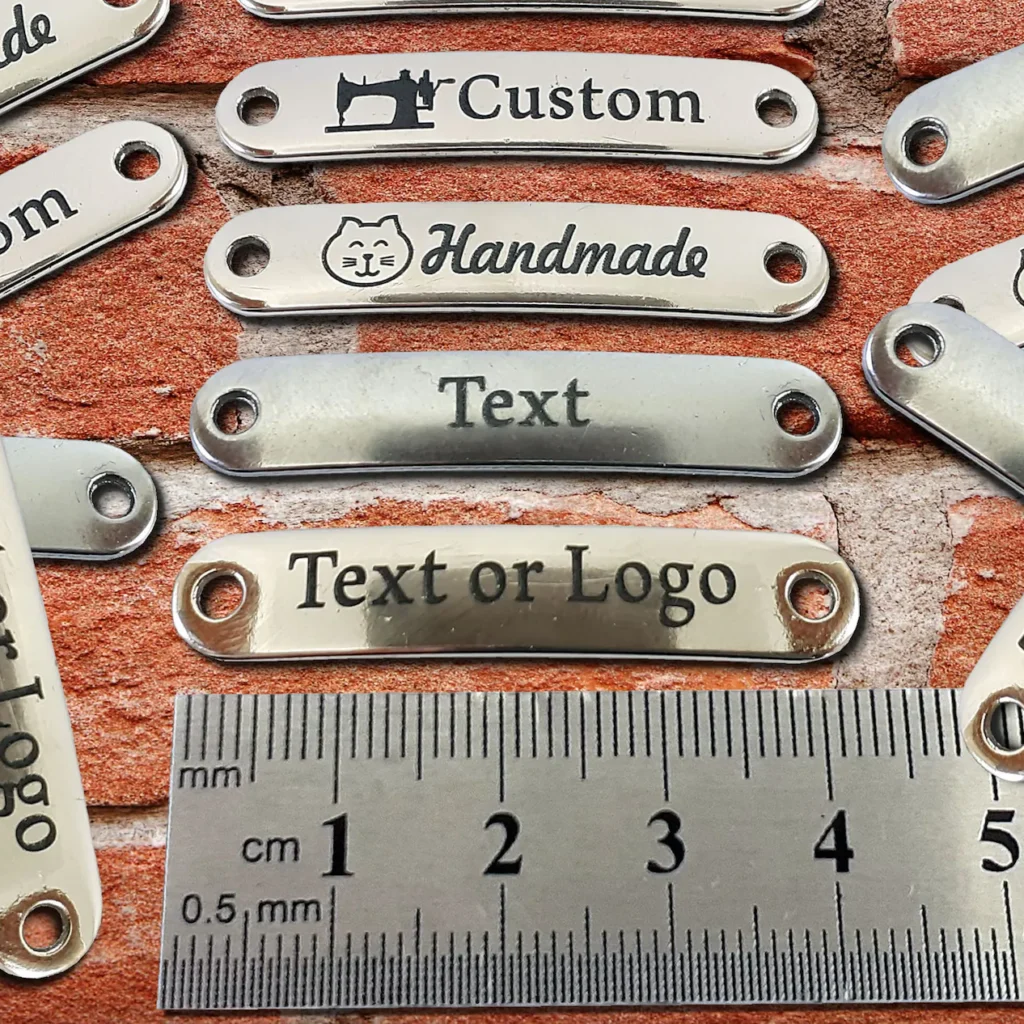

Whether you manage a large construction site or oversee a precision-driven manufacturing facility – keeping track of every valve, motor, tool, and safety component is no small task. When identification systems are unclear or unreliable, even the most organized teams can face misplaced assets – delaying maintenance and having compliance challenges. This is where customized metal tags come in – making a meaningful difference.
Rather than acting as simple labels, customized metal tags serve as permanent identifiers that integrate directly with your traceability and asset management systems. They help teams quickly locate equipment, verify asset details, and maintain consistent operational control.
In this blog, we’ll walk through how customized metal tags strengthen traceability, improve day-to-day efficiency, support regulatory compliance, and perform reliably in demanding industrial environments.
- Eliminating Traceability Gaps
Traceability is at the core of effective asset management. It allows organizations to know the asset’s history – how it has been maintained, when it was last inspected, and where it is currently in use. So, in industrial environments, losing visibility over a component is more than an inconvenience – leading to serious operational and safety risks.
Traditional labeling methods, such as adhesive stickers or printed tags, often struggle to hold up in real-world conditions. Exposure to heat, moisture, chemicals, or friction can cause critical information to fade or disappear. Metal tags solve this issue by providing a durable, tamper-resistant solution – maintaining clear identification throughout the entire asset lifecycle.
- Making Daily Operations Faster and More Reliable
Once traceability is in place, efficiency naturally becomes the next focus. Manual identification methods – like handwritten serial numbers or visual checks – can slow teams down and increase the risk of errors. Dirt, grease, and general wear can make these markings difficult to read – leading to inaccurate records and unnecessary downtime.
Customized metal tags simplify this process by incorporating scannable barcodes or 2D Data Matrix codes. With a quick scan, technicians can instantly access maintenance history, inspection records, and service schedules. This removes guesswork, reduces manual data entry, and helps teams work more efficiently and consistently.
- Ensuring Safety and Following Regulations
In industrial operations, safety and compliance are not optional. Inspections and audits require accurate documentation and clearly visible identification – even small oversights can lead to delays, fines, or operational disruptions.
Customized metal tags help meet these requirements by permanently displaying essential information such as load ratings, certification numbers, inspection dates, and expiration details. When assets are clearly marked and easy to verify, inspections become smoother and less disruptive – improving overall workplace safety.
- Engineered for Harsh Industrial Conditions
Industrial equipment is often exposed to extreme temperatures, UV exposure, corrosive chemicals, and continuous mechanical stress. Under these conditions, conventional labels tend to degrade quickly and require frequent replacement.
Metal tags are designed specifically to withstand these conditions. They are typically laser-etched or chemically engraved – remaining legible even after years of heavy use. This durability reduces replacement costs, maintains uninterrupted traceability, and delivers long-term value.
- Configurable Solutions for Diverse Operational Needs
Standardized tags often fail to meet the data requirements of complex industrial systems. But, customized metal tags offer full configurability – allowing organizations to include serial numbers, barcodes, QR codes, safety warnings, and corporate branding as needed.
Selecting the right metal also further enhances performance. For corrosive or marine applications, 316 stainless steel provides superior resistance, while anodized aluminum enables color-coding – perfect for rapid visual identification. This flexibility ensures each tag is precisely engineered to match its operational environment.
Metal Tags vs. Traditional Labels: A Practical Comparison
To clearly illustrate the difference between traditional labeling methods and metal tags, consider the comparison below:
| Feature | Standard Labels | Customized Metal Tags |
|---|---|---|
| Lifespan | Months | Decades |
| Extreme Conditions | Will melt or crack. | Remains stable and legible. |
| Chemical Resistance | Fades or dissolves quickly. | High resistance |
| Data Accuracy | High risk of human error. | Scannable & Error-Free. |
| Cost | Cheap upfront, expensive to replace. | Smart investment with high ROI. |
Tips for Using Custom Metal Tags at Their Best
To maximize the value of your metal tagging system, keep these best practices in mind:
- Use the Right Metal: Use Stainless Steel for water or chemical areas – while Aluminum for lightweight, indoor branding.
- Go Digital: Always include a QR code or barcode to link your physical tag to your digital asset management software.
- Keep it Consistent: Place your data in the same spot on every tag so your team knows exactly where to look.
- Choose a Permanent Fastener: Use rivets or high-bond industrial adhesives to make sure that the tag isn’t going anywhere.
Lead with Actionable Asset Intelligence
Customized metal tags are more than just identification tools – they support smarter asset management and informed decision-making. By improving traceability across your facility, you gain clearer visibility, reduce operational risks, and allow teams to work with greater confidence and accuracy. Suppose your organization is ready to eliminate inefficiencies and establish full control over asset tracking, transition to customized metal tags from Short Order Products. It is a future-ready solution that enhances visibility and supports compliance – delivering long-term operational confidence across your facility.