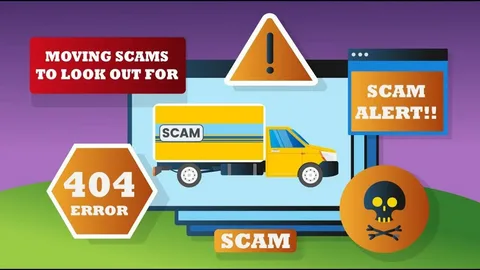

Moving is stressful enough without worrying about your belongings being lost or damaged. Many people underestimate the importance of planning ahead. A little research before hiring a moving company can prevent major headaches.
Why Research Matters Before Booking a Mover
Doing homework on moving companies is essential to prevent fraud. Thousands of families fall victim to moving scams every year, ranging from sudden price hikes to missing items. Understanding the risks and knowing how to spot red flags can save both money and stress.
Verify Licenses and Credentials
One of the most critical steps is checking whether a moving company is licensed and insured. According to the Federal Motor Carrier Safety Administration (FMCSA), nearly 42% of moving scams involve companies that are unlicensed or improperly registered.
- Check the DOT or FMCSA registration number online.
- Confirm insurance coverage for your belongings.
- Look for state-level certifications for local moves.
Companies that are transparent about their credentials tend to be trustworthy, whereas those that avoid providing documentation should raise concern.
Read Customer Experiences
Customer feedback can reveal important insights. Many people turn to Moving Scam Stories to read firsthand accounts of fraudulent movers. These real-life stories show how scammers operate, including tactics like lowball estimates, hidden fees, or delayed deliveries. Learning from these experiences helps you identify suspicious behavior before hiring a mover.
Comparing Estimates and Avoiding Overcharges
Price is often a key factor, and scammers frequently exploit this. According to the Better Business Bureau, over 60% of moving fraud involves companies offering unrealistically low estimates and then demanding much higher payments.
How to Get Accurate Quotes
- Request at least three written estimates.
- Confirm all services and fees in writing, including packing, fuel, and delivery.
- Be cautious of quotes that seem too low compared to other companies.
Multiple estimates give you a realistic sense of pricing and make it easier to spot suspicious offers.
Communication and Transparency
Professional movers maintain clear communication. They answer questions promptly, provide written contracts, and explain their pricing. Companies that rely on verbal agreements or vague emails are often a warning sign of potential scams.
Understanding Contracts and Paperwork
Contracts are your protection. Scammers often exploit vague agreements to charge hidden fees. Ensure the contract clearly lists:
- Services included and associated costs
- Estimated delivery date
- Insurance and liability coverage
- Policies for cancellations or disputes
Being thorough prevents misunderstandings and ensures accountability.
Red Flags to Watch Out For
Even with thorough research, some warning signs can indicate a potential scam. Being aware of these red flags can save you from costly mistakes:
- Unrealistically Low Quotes: If a moving company’s estimate is far below others, it’s often too good to be true.
- No Physical Address or Office: Legitimate movers maintain a real location. Companies without one should raise concerns.
- Pressure to Pay Upfront: Scammers often demand full payment before the move starts. Always opt for partial payments or escrow.
- Vague Contracts: A contract without clear terms for services, costs, or delivery dates is a major warning sign.
- Poor Communication: Slow responses, evasive answers, or refusal to provide documentation are red flags.
Being vigilant and recognizing these warning signs can prevent scams even if a mover seems legitimate at first glance.
Additional Tips for a Safe Move
Even after checking credentials and reviews, taking extra precautions adds another layer of safety:
- Photograph all items before moving.
- Inventory and label your boxes clearly.
- Keep valuable items with you instead of shipping them.
- Avoid paying the full amount upfront; consider partial payments or escrow options.
These simple steps significantly reduce the risk of loss or fraud.
How To Avoid Moving Scams
For anyone planning a move, guidance from trusted sources is invaluable. Following How To Avoid Moving Scams provides detailed instructions on identifying red flags, verifying movers, and safeguarding belongings. Using expert advice along with your research ensures that your move is secure and stress-free.
Why Early Research Pays Off
Planning ahead is not just about avoiding scams, it saves time, money, and stress. Studies show that consumers who verify movers and compare options before booking are nearly 70% less likely to experience fraud.
Checking licenses, reading reviews, comparing estimates, and reviewing contracts make the moving process predictable rather than risky.
Key Takeaways for a Safe Move
- Verify licenses and insurance before hiring.
- Read real customer stories to identify red flags.
- Compare multiple estimates for fair pricing.
- Carefully review contracts before signing.
- Keep valuables with you and document your items.
Moving doesn’t have to be a gamble. With early research and careful planning, anyone can protect their belongings and enjoy a smooth relocation.
Being informed is your best defense against moving scams, ensuring your move is secure, efficient, and stress-free.