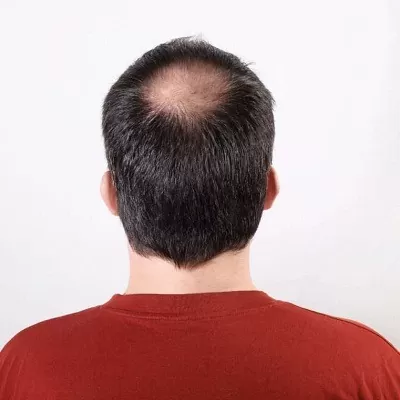

Hair loss at the crown, also called the vertex, is one of the most common areas affected by male and female pattern baldness. This region often develops thinning hair or a visible bald spot that can be distressing for many people. Crown Hair Transplant in Abu Dhabi has become a popular option to restore hair in this area, but its effectiveness depends on multiple factors including hair density, scalp health, and the techniques used during the procedure.
Crown hair transplant involves taking healthy hair follicles from areas of the scalp that are genetically resistant to balding, usually the back or sides of the head, and transplanting them into the thinning crown. The transplanted follicles typically continue to grow hair permanently because they retain their natural resistance to the hormones that cause balding. However, the results vary depending on individual factors and the technical approach used.
Why the Crown Area Is Technically Challenging
The crown area is considered one of the most challenging parts of the scalp to treat. Unlike the frontal hairline, the crown has a spiral or whorl growth pattern, which requires precise graft placement to achieve a natural appearance. Misaligned follicles can lead to an unnatural swirl or uneven hair density, even if the transplanted hairs survive.
Additionally, the crown can have less uniform blood flow compared to other areas, which may affect the growth rate of transplanted hair. For these reasons, crown transplants often require careful planning and sometimes more grafts than front hairline procedures to achieve a natural and dense result.
Success Rates of Crown Hair Transplants
Studies and clinical observations indicate that crown hair transplants are generally highly effective. Graft survival rates are often above 85%, and many individuals achieve 90–95% survival when the procedure is performed with modern techniques. Success depends on factors such as the skill of the surgical team, the quality of donor hair, and the health of the scalp.
While success rates in the crown may be slightly lower than in other areas due to its unique anatomy, most patients experience noticeable improvement in hair density and coverage. The result can look natural and blend seamlessly with surrounding hair when done correctly.
Indicators of a Successful Crown Transplant
Effectiveness is not only about graft survival but also the appearance and quality of growth. Some key indicators that a crown hair transplant is working well include:
- Improved coverage: The bald or thinning area gradually fills in with new hair, giving the appearance of a fuller crown.
- Natural growth pattern: Transplanted hair grows in the correct direction and mimics the natural swirl of crown hair.
- Gradual increase in density: Over time, hair density improves, creating a thicker look.
- Permanent growth: Transplanted hair continues to grow over the years, as it is resistant to the typical hormones causing baldness.
Timeline of Results
Results from a crown hair transplant are gradual and require patience. The typical timeline is as follows:
- First 2–4 weeks: Newly transplanted follicles undergo a resting phase. Hair may fall out initially, which is a normal part of the process.
- 3–4 months: Early hair growth begins, often fine and sparse at first.
- 6–9 months: Hair becomes thicker and more noticeable. Many patients see significant improvement by this stage.
- 12–18 months: Final results are usually visible, with full density and natural hair flow.
Because the crown grows in a complex pattern, progress may appear slower than in the frontal scalp. Some patients may need a second session to achieve desired density, especially if the bald area is large.
Factors Affecting Effectiveness
The success of a crown hair transplant depends on several factors:
Donor Hair Quality
Thicker, healthier hair from donor areas provides better coverage and density. Strong follicles result in more robust growth and a more natural appearance.
Surgical Technique
Advanced techniques such as Follicular Unit Extraction (FUE) allow precise placement of individual follicles. Skilled placement respecting the crown’s natural swirl is critical to achieving natural-looking results.
Scalp Health
Healthy scalp tissue promotes better graft survival. Conditions such as scarring or poor blood circulation can reduce effectiveness.
Post-Procedure Care
Following care instructions—such as avoiding pressure on grafts, keeping the scalp clean, and refraining from strenuous activity—supports optimal follicle survival and growth.
Realistic Expectations
Understanding that crown hair restoration is a gradual process helps manage expectations. Initial improvements may be subtle, and full results may take over a year.
Advantages of Crown Hair Transplants
Crown hair transplants offer several benefits:
- Permanent hair growth: Transplanted follicles continue growing hair naturally.
- Improved appearance and confidence: Restoring hair at the crown enhances overall look and self-esteem.
- Natural blending: When performed correctly, the transplanted hair matches surrounding hair in direction and density.
Challenges of Crown Hair Transplants
Despite their effectiveness, crown hair transplants have challenges:
- Technical complexity: The swirl pattern and varied angles of crown hair make precise graft placement essential.
- Longer growth timeline: Hair growth in this area often appears slower than in other regions.
- Possible need for multiple sessions: Larger bald areas may require staged procedures to reach optimal density.
Monitoring Progress
Tracking progress after a crown hair transplant helps determine effectiveness. Useful strategies include:
- Photographs: Taking regular photos allows comparison over months to observe subtle improvements.
- Routine logs: Recording any new hair growth or shedding patterns helps identify changes.
- Observation of hair density and texture: Noting how hair thickens, fills in, and blends with existing hair gives a clear view of results.
Frequently Asked Questions
Does crown hair transplant work for everyone?
Most individuals with adequate donor hair and healthy scalp achieve noticeable improvements. Results vary depending on hair characteristics and extent of baldness.
How long before I see results?
New hair growth typically begins around 3–4 months, with significant improvement by 6–9 months, and full results usually by 12–18 months.
Are the results permanent?
Yes, transplanted hair usually continues to grow naturally, as it comes from areas resistant to common balding hormones.
Is the crown harder to treat than the hairline?
Yes, because of the swirl pattern and variable blood flow, which can affect growth speed and graft survival.
Conclusion
Crown hair transplants are a highly effective option for restoring hair in the vertex area. When performed with precision and supported by quality donor hair and careful post-procedure care, these transplants offer permanent hair growth, natural-looking coverage, and significant improvements in appearance and confidence. The crown may require more planning and patience than other areas of the scalp, but with proper technique and realistic expectations, most individuals achieve successful and lasting results.