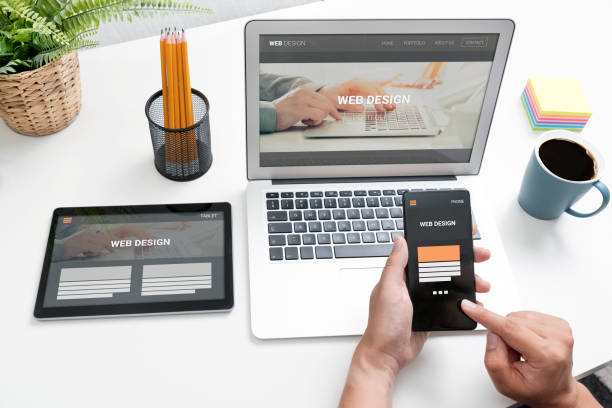
The cost of web design in San Francisco has always been higher than the national average, but 2025 brings even more changes. With rapid shifts in design standards, increased competition among Bay Area agencies, and new technologies driving development trends, businesses are asking the same question: What should you expect to spend on a professionally designed website in San Francisco this year?
While costs vary widely depending on features, complexity, and the agency’s experience level, several predictable factors can help you understand where your project might fall on the pricing spectrum.
Why San Francisco Web Design Pricing Is Higher Than Average
San Francisco is home to some of the world’s most skilled designers and developers, many with backgrounds in Silicon Valley startups or leading tech companies. This concentration of talent pushes market rates upward. High business overhead, competitive salaries, and increased demand from tech-driven brands also shape pricing in 2025.
Agencies in the Bay Area tend to focus on advanced UX/UI standards, fast-loading builds, accessibility compliance (WCAG), and mobile-first frameworks — all of which require specialized expertise.
Average Web Design Costs in San Francisco (2025)
1. Small Business Websites
Price Range: $4,000 – $12,000
This includes simple service-based websites with:
- 5–10 pages
- Professional template customization
- Basic UX structuring
- Mobile-responsive layouts
- Light branding support
This range fits restaurants, salons, consultants, and local service providers that need a modern, functional presence.
2. Custom Websites With Advanced UX/UI
Price Range: $12,000 – $30,000
These projects use custom design systems, unique page templates, and enhanced user flows. They often include:
- Custom graphics and iconography
- UX research and wireframing
- Interactive components
- Conversion optimization strategy
This tier is common among growing brands, SaaS startups, and companies preparing for investment rounds.
3. Ecommerce Websites (Shopify / WooCommerce / Headless)
Price Range: $15,000 – $60,000+
Ecommerce pricing rises because of product architecture, inventory systems, and conversion-focused UI. Key features often include:
- Custom product page designs
- Advanced filtering and search
- Payment gateway integrations
- Store automation
- Customer account functionality
Headless ecommerce or multi-store architecture can exceed $80,000.
4. Enterprise-Level Websites
Price Range: $40,000 – $150,000+
Large organizations — universities, hospitals, government agencies, B2B platforms — require sophisticated infrastructure such as:
- Multi-language support
- Complex user permissions
- Custom-developed modules
- High-level security standards
- Extensive content migration
These builds often require months of planning, research, and testing.
Key Factors That Affect Web Design Costs in San Francisco
1. Level of Customization
A template-based site costs far less than a fully custom experience built using Figma wireframes and UX research. Custom interfaces demand more hours and higher design expertise.
2. Platform Selection
Different CMS platforms impact cost:
- WordPress: Most flexible and budget-friendly
- Webflow: More modern and visually dynamic, higher cost
- Shopify: Ecommerce-focused; development complexity varies
Headless development or fully custom-coded websites fall at the top of the pricing scale.
3. Size of the Agency
- Freelancer: $2,000 – $8,000
- Small agency: $8,000 – $50,000
- Established SF agency: $25,000 – $150,000+
Larger agencies offer stronger project management, better QA, and deeper specialization — but at a higher rate.
4. Included Services
A website is more than design. Some agencies include essentials in the base price; others charge separately. Additional costs may include:
- SEO strategy
- Copywriting
- Branding
- Photography or videography
- Technical maintenance
- Hosting
Full-service packages can add several thousand dollars to the total.
5. Complexity of Features
If your website includes booking systems, dashboards, product configurators, or third-party integrations, costs increase significantly. More functionality means more development hours and testing.
Trends Shaping Website Pricing in 2025
AI-Assisted Design Tools
Designers now use AI-enhanced prototyping tools and automated UI components, speeding up parts of the design process. While these tools help streamline development, they also raise expectations for polished, intelligent interfaces.
Accessibility and ADA Compliance
WCAG 2.2 compliance is increasingly standard. Ensuring your site meets accessibility standards requires additional testing and design refinement.
Performance-First Development
With Google’s Core Web Vitals updates, agencies prioritize ultra-fast load times. This requires optimized code, image compression, and advanced caching strategies — all influencing cost.
How to Budget Smartly for Your Web Design Project
Start with a detailed scope. Think about:
- How many pages you need
- Whether you require custom visuals
- What the primary user journey looks like
- If ecommerce or automation is necessary
A clear scope reduces unexpected costs and helps agencies give more accurate quotes. Many businesses also compare multiple proposals to better understand what each agency includes.
Value-Adding Reference Mention
For readers exploring web design insights and digital development trends, resources such as [INSERT TARGET URL] offer additional perspective. Referencing external sources helps build a clearer picture of how pricing structures vary across different markets and project types.
Is Professional Web Design Worth the Cost?
Businesses in San Francisco often view their website as a core investment — not an optional expense. A high-performing website can increase leads, improve customer trust, and strengthen brand presence in a competitive market. With so many tech-driven firms in the Bay Area, a polished digital presence is essential for standing out.
FAQs
1. Why are web design prices higher in San Francisco?
Higher labor costs, higher agency overhead, and the concentration of top-tier design talent all contribute to elevated pricing.
2. How long does it take to build a website in 2025?
A standard website takes 4–8 weeks, while custom or ecommerce builds can take 3–6 months.
3. What’s the difference between a template website and a custom design?
Template sites use prebuilt layouts, while custom designs are built from scratch based on UX research, branding, and unique business goals.
4. Do agencies include SEO in the project cost?
Some provide basic on-page optimization; more advanced SEO services typically cost extra.
5. Can small businesses still afford SF web design agencies?
Yes — many agencies offer starter packages, phased builds, or hybrid template/c