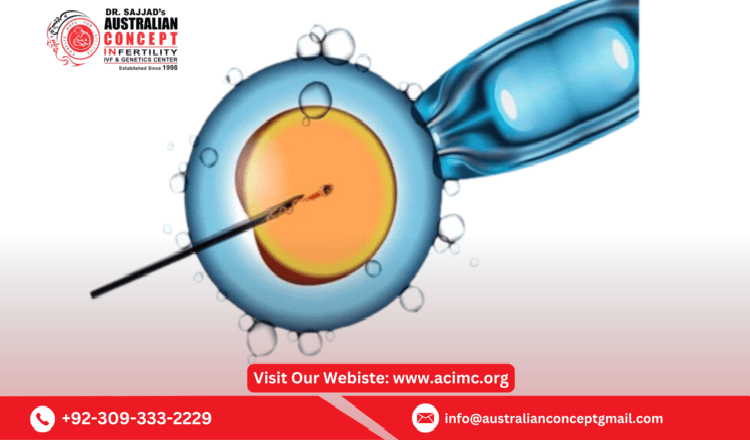

Severe male infertility can make natural conception extremely difficult, but modern fertility treatments have opened new possibilities for couples who once had very limited options. One of the most effective solutions for these cases is ICSI treatment, a technique that helps achieve fertilization even when sperm count, motility, or quality is extremely low. Understanding its success and how it works can help couples make more confident decisions on their fertility journey.
Understanding Severe Male Infertility
Severe male infertility refers to conditions where sperm production, quantity, or function is significantly impaired. This may include:
- Very low sperm count
- Poor sperm motility
- Abnormal sperm shape (morphology)
- Obstructive azoospermia
- Non-obstructive azoospermia
- Failed sperm transport or ejaculation problems
In such cases, natural conception becomes difficult because the sperm cannot reach or penetrate the egg. That is where ICSI offers a major advantage.
What Makes ICSI Ideal for Severe Male Infertility?
ICSI (Intracytoplasmic Sperm Injection) involves selecting a single healthy sperm and injecting it directly into the egg using advanced micromanipulation tools. This gives sperm a direct path to fertilize the egg, bypassing all the natural challenges.
ICSI is particularly effective because even one sperm—if structurally normal and viable—can be enough to achieve fertilization.
ICSI Success Rates for Severe Male Infertility
Success in ICSI is measured at different stages: fertilization, embryo development, implantation, and pregnancy. While rates vary from couple to couple, research consistently shows that ICSI provides a significant advantage when severe male infertility is present.
1. Fertilization Rates
ICSI achieves fertilization rates of 60–80% per retrieved egg in many cases.
Even when sperm quality is extremely poor, ICSI often helps achieve fertilization that would otherwise be impossible.
2. Embryo Development
Once fertilization occurs, embryos developed from ICSI can grow normally. Embryo quality usually matches the quality seen in traditional IVF cycles, giving couples a greater chance of successful implantation.
3. Pregnancy Rates
Pregnancy rates with ICSI in severe male infertility typically range between:
- 30–50% per cycle in younger women
- 20–35% per cycle in women above 35
The woman’s age, egg quality, and overall reproductive health largely determine the final pregnancy outcome.
Why ICSI Works Even When Sperm Is Extremely Limited
One of the greatest benefits of ICSI is that it can succeed even when sperm count or motility is critically low. This includes:
1. Very Poor Sperm Count
Even when only a few sperm are found, advanced selection techniques allow embryologists to pick the healthiest ones.
2. Sperm Retrieved Surgically
Men with obstructive azoospermia or ejaculation issues can still become biological fathers through:
- TESE (Testicular Sperm Extraction)
- PESA/MESA (Microsurgical sperm retrieval)
ICSI can successfully use surgically retrieved sperm, which naturally cannot fertilize an egg on their own.
3. Immobile or Abnormal Sperm
ICSI bypasses the need for sperm to swim or penetrate the egg, making it possible to use sperm with motility or morphology defects.
Factors That Affect ICSI Success in Severe Male Infertility
Although ICSI is highly effective, certain factors can influence outcomes:
1. Woman’s Age
Younger women typically produce healthier eggs and have higher implantation and pregnancy rates.
2. Egg Quality
Even with severe male infertility, good egg quality increases the chance of creating healthy embryos.
3. Sperm DNA Fragmentation
If sperm show high DNA damage, success may be lower, but ICSI still often helps compared to standard IVF.
4. Underlying Medical Conditions
Hormonal problems, genetic disorders, or testicular damage may affect sperm function and require additional evaluation.
Is ICSI Safe for Babies?
ICSI has been used for over 30 years, and millions of healthy babies have been born using this method. Studies show that the procedure is generally safe, and risks are similar to those of standard IVF. Couples with severe male infertility may receive genetic counseling to understand any hereditary factors.
When Should Couples Choose ICSI for Male Infertility?
ICSI is strongly recommended when:
- Sperm count is extremely low
- Sperm motility or morphology is very poor
- IVF cycles have failed previously
- Sperm must be collected surgically
- Semen samples show very few viable sperm
In such cases, ICSI significantly increases the chances of fertilization and pregnancy compared to conventional methods.
Final Thoughts
ICSI has transformed the treatment of severe male infertility by making fertilization possible even with extremely limited or poor-quality sperm. With its high fertilization rates and strong pregnancy outcomes, ICSI offers couples real hope and a reliable path toward parenthood. While success depends on multiple factors especially the woman’s age and egg health ICSI remains one of the most effective options for overcoming male-factor infertility.
For More Details: https://acimc.org/ivf-lahore/