
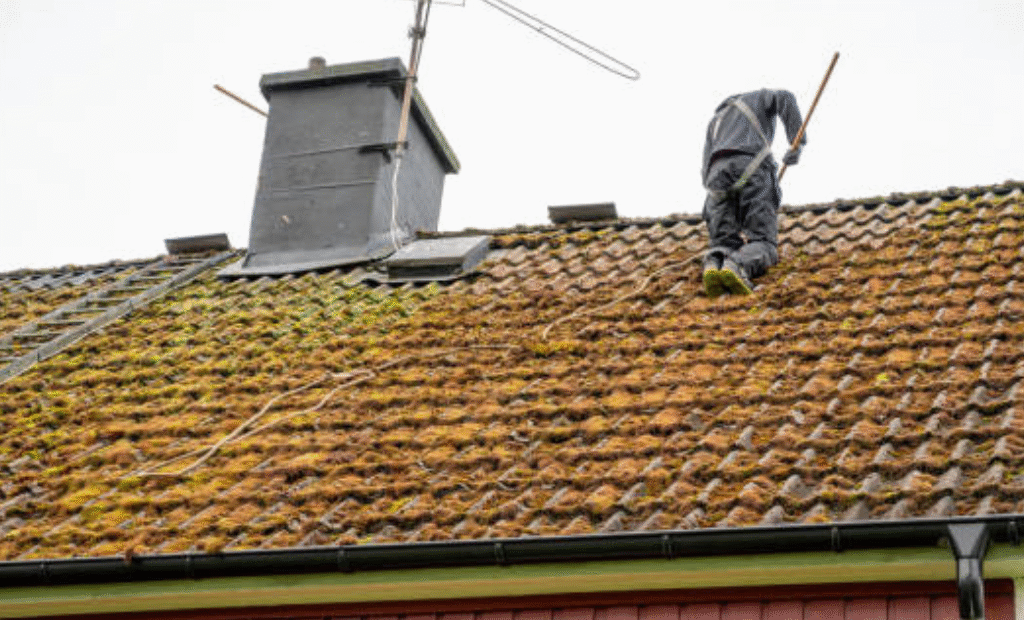

A clean, well-maintained roof is essential for the safety and longevity of your home. One of the most common problems homeowners face is the growth of moss on roof surfaces. Moss not only affects the appearance of your home but can also lead to serious damage if left untreated. Understanding what causes it and how to manage it is crucial for every homeowner.
What Is Moss and Why Does It Grow on Roofs?
Moss is a small, green, soft plant that thrives in damp, shaded environments. Roofs provide the perfect setting for moss growth, especially in areas that receive limited sunlight or have high humidity. Over time, moss can trap moisture against the shingles, causing them to deteriorate and reducing the lifespan of your roof.
Several factors contribute to moss growth:
- Shade: Trees or structures that block sunlight create a damp environment.
- Moisture: Areas with high rainfall or poor drainage promote moss growth.
- Aging Roof: Older roofs with worn shingles retain water more easily, encouraging moss growth.
- Debris: Leaves, twigs, and other organic matter can provide a base for moss to attach.
Signs That Your Roof Has Moss
Recognizing moss early can prevent major damage. Look for these warning signs:
- Green patches or streaks on shingles
- Shingles that feel spongy or soft
- Dark streaks along the roof ridge
- Accumulation of leaves and debris in gutters
Ignoring these signs can lead to water damage, leaks, and costly repairs.
How Moss on Roof Can Affect Your Home
Moss doesn’t just look unattractive. It can cause serious problems if left unchecked:
- Shingle Damage: Moss lifts and loosens shingles, making them more prone to wind and water damage.
- Leaks: Trapped moisture can seep under shingles, leading to leaks and water damage inside your home.
- Structural Damage: Prolonged moisture exposure can affect roof decking and underlying structures.
- Increased Maintenance Costs: Roofs with moss require frequent cleaning and repairs.
Effective Ways to Remove Moss
There are several ways to safely remove moss from a roof:
1. Manual Removal
Using a soft-bristle brush or broom, gently scrape moss off the shingles. Avoid using high-pressure washers as they can damage shingles.
2. Chemical Treatments
Moss-killing solutions are available at hardware stores. Apply according to instructions, usually with a sprayer, and allow the solution to work before gently removing the moss.
3. Zinc or Copper Strips
Installing metal strips along the ridge can prevent moss growth. Rainwater will wash small amounts of zinc or copper down the roof, inhibiting moss growth over time.
4. Professional Roof Cleaning
For large areas or stubborn moss, hiring a professional is the safest option. Professionals have the right equipment and chemicals to clean the roof without causing damage.
Preventing Moss From Returning
Once your roof is clean, taking preventive measures can save time and money:
- Trim overhanging branches to increase sunlight exposure
- Keep gutters and roof areas free from leaves and debris
- Install zinc or copper strips for long-term prevention
- Ensure proper roof ventilation to reduce moisture buildup
When to Call a Professional
If your roof is old, steep, or heavily infested with moss, it’s best to call a professional. Attempting to remove moss from a high or delicate roof can be dangerous and may cause damage if not done correctly. Professionals can also inspect for underlying damage and make repairs as needed.
Conclusion
Moss on roof is more than just a cosmetic issue. It can lead to serious damage if left untreated. By identifying early signs, using effective removal methods, and taking preventive steps, homeowners can protect their roofs and extend their lifespan. Regular inspections and maintenance are key to keeping your roof in top condition, ensuring it remains strong, durable, and free of moss for years to come.


