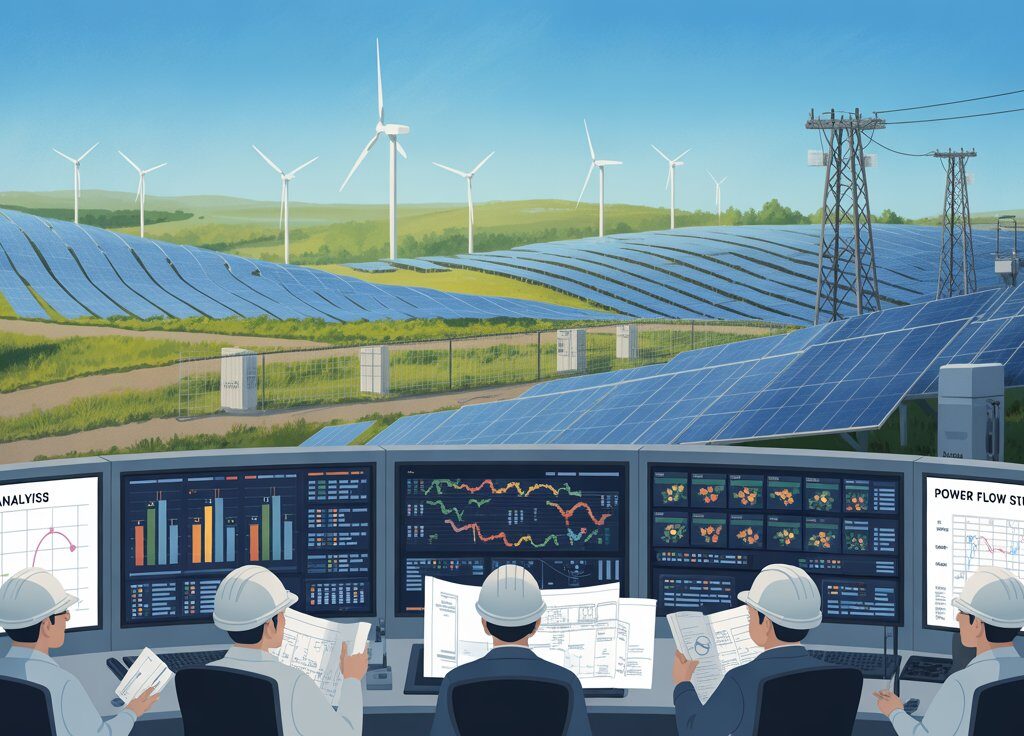

Designing a modern electrical substation requires a careful balance between performance, safety, scalability, and cost-effectiveness. As power systems grow more complex and demand increases, engineers must adopt refined strategies that ensure both operational efficiency and long-term reliability. Whether it’s a new installation or an upgrade to existing infrastructure, following proven design principles can significantly reduce risks while optimizing performance.
This guide explores the essential best practices that define high-quality substation projects and highlights how thoughtful planning leads to safer and more efficient outcomes.
Understanding the Foundations of Substation Design
A well-planned substation begins with a deep understanding of system requirements, load demand, and environmental conditions. Engineers must evaluate voltage levels, fault currents, and future expansion needs before initiating the design process. Effective substation design engineering ensures that every component—from transformers to protection systems—is properly selected and integrated.
In addition, site-specific factors such as terrain, weather patterns, and accessibility play a critical role. Ignoring these variables can lead to operational inefficiencies or even safety hazards. Early-stage feasibility studies and load flow analysis are essential steps that help define a solid design foundation.
Optimizing the Layout for Performance and Accessibility
The physical arrangement of equipment has a direct impact on both operational efficiency and maintenance. A well-structured layout of a substation minimizes power losses, reduces cable lengths, and ensures safe clearance distances between energized components.
Proper spacing allows technicians to perform maintenance tasks without risk, while also facilitating easy access to critical equipment. Clear zoning between high-voltage and low-voltage areas enhances safety and simplifies operations. Additionally, thoughtful placement of control rooms, transformers, and switchgear contributes to smoother workflows and reduced downtime.
An optimized layout is not just about space management—it’s about creating an environment where reliability and safety coexist seamlessly.
Prioritizing Safety in Every Design Decision
Safety is the cornerstone of any substation project. Engineers must incorporate protective measures at every stage of the design process to safeguard both personnel and equipment. This includes proper grounding systems, lightning protection, and fault isolation mechanisms.
Arc flash hazards, for example, require careful analysis and mitigation strategies. Designing with adequate clearances, protective relays, and circuit breakers helps minimize risks during fault conditions. Fire safety systems and emergency shutdown procedures should also be integrated into the design.
Modern substation engineering design practices emphasize compliance with international safety standards, ensuring that substations operate within regulated limits while protecting workers and surrounding communities.
Integrating Advanced Technology and Automation
Technology is transforming the way substations are designed and operated. Digital substations, intelligent electronic devices (IEDs), and automated control systems enhance monitoring, protection, and control capabilities.
Automation reduces human error and enables faster response to system disturbances. Real-time data collection and remote monitoring allow operators to detect issues early and take corrective action before they escalate. This not only improves efficiency but also extends the lifespan of equipment.
Incorporating smart technologies into substation projects ensures that infrastructure remains adaptable to future energy demands, including renewable integration and grid modernization.
Ensuring Scalability and Future Expansion
One of the most overlooked aspects of substation design is planning for future growth. Power demand rarely remains static, and substations must be capable of accommodating increased loads without major redesign.
Engineers should consider modular designs and reserve space for additional equipment during the initial planning phase. This approach reduces future costs and minimizes disruptions when upgrades are required. Flexible busbar arrangements and expandable switchgear systems are practical solutions that support scalability.
By designing with the future in mind, substations can evolve alongside the grid without compromising efficiency or safety.
Emphasizing Quality Control and Testing
Even the most well-designed substation can fail if quality control is neglected. Rigorous testing and inspection are essential to ensure that all components function as intended. This includes factory acceptance tests, site acceptance tests, and routine commissioning procedures.
Thermal imaging, insulation resistance testing, and relay coordination checks help identify potential issues before they impact operations. Consistent quality assurance practices not only improve reliability but also enhance the overall safety of the system.
Attention to detail during installation and testing phases ensures that the substation performs efficiently from day one and continues to operate reliably over its lifespan.
Conclusion
Efficient and safe substation design is a combination of technical expertise, strategic planning, and adherence to industry best practices. From optimizing layouts to integrating advanced technologies, every decision plays a role in shaping the performance and reliability of the system.
By focusing on safety, scalability, and precision, engineers can develop substations that meet current demands while preparing for future challenges. A well-executed design not only ensures uninterrupted power supply but also protects valuable assets and human lives.