

Household pests are far more than a simple inconvenience—they can disrupt your daily life, damage your property, and pose serious health risks. While pest infestations often seem sudden, the truth is that most pests invade because the home provides the perfect environment for them to thrive. By understanding what attracts pests and taking preventive measures, you can make your home far less appealing to insects and rodents. Here is a complete, practical guide on how to keep your living space pest-free with consistent and smart preventive habits.
Seal Entry Points to Keep Pests Out
One of the most effective ways to prevent pests from entering your home is by sealing all potential entry points. Even tiny gaps, cracks, and openings can provide easy access for ants, cockroaches, spiders, and rodents.
Start by examining your doors and windows. Ensure they close tightly and do not have torn or damaged screens. Install weather stripping if you notice gaps around window or door frames. Next, inspect the exterior walls of your home, focusing on areas where pipes, cables, and wires enter the property. Use caulk or sealant to close any holes or cracks.
Rodents can squeeze through extremely small spaces, so sealing gaps around utility lines, vents, and drainage systems is especially important. By blocking these entry points, you reduce the chances of pests establishing themselves inside your home.
Maintain a Clean and Organized Kitchen
The kitchen is the main source of attraction for pests. Leftover crumbs, food spills, open containers, and overflowing trash provide easy meals for insects and rodents. To make your home less appealing to pests, your kitchen must stay clean, dry, and clutter-free.
Be sure to wipe down counters, sweep floors, and wash dishes regularly. Store pantry items such as rice, flour, pasta, and cereals in airtight containers. Avoid leaving ripe fruits uncovered, and always empty pet food bowls responsibly. Ensure that your trash bin has a tightly fitted lid and is emptied daily or as needed.
Deep cleaning is equally important. Pull out appliances like the stove and refrigerator occasionally to clean hidden food debris that pests love to feed on. The cleaner the kitchen, the fewer reasons pests will have to invade your home.
Fix Leaks and Reduce Moisture
Moisture is a major magnet for pests such as cockroaches, termites, mosquitoes, and ants. These pests need water to survive, so damp areas in your home can quickly become breeding grounds.
Inspect your kitchen and bathroom faucets, pipes, and drainage lines for leaks. Repair any signs of dripping or pooling water immediately. If your home is prone to humidity, consider using a dehumidifier to keep moisture levels under control. Proper ventilation is essential as well—use exhaust fans in bathrooms and kitchens to reduce humidity.
Termites and carpenter ants thrive in moist wooden areas, so keeping your home dry is essential in preventing structural damage and pest infestations.
Keep Your Yard and Outdoor Areas Well-Maintained
Pest prevention begins outside. A messy yard, overgrown plants, and accumulated debris create the perfect environment for pests to breed and eventually enter your home.
Trim trees and shrubs regularly, especially those in direct contact with your house. Overhanging branches can act as bridges for rodents and insects. Remove standing water from pots, buckets, and garden tools to prevent mosquitoes from breeding. Clear away piles of leaves, wood, and clutter where pests may hide.
Ensure outdoor garbage bins are sealed properly and kept at a distance from your home. If you have firewood, store it off the ground and away from exterior walls. The goal is to eliminate hiding spots and moisture sources that attract pests before they reach the indoors.
Store Food and Waste Properly
Improper food storage is one of the biggest contributors to pest infestations. Whether it’s open food in the kitchen or unsecured garbage outside, pests will always find a way to feed on accessible food sources.
Always use sealed containers for food items, particularly dry goods. Avoid stacking fruits and vegetables on countertops for long periods. Proper waste management is equally important—separate recyclables, food waste, and general trash, and ensure each is stored in appropriate bins. Keeping waste properly sealed and disposed of reduces odors that attract pests.
Declutter Your Home to Reduce Hiding Spots
Clutter gives pests the perfect hiding spaces to breed and spread unnoticed. Piles of old newspapers, cardboard boxes, unused clothing, and random household items can attract pests such as roaches, silverfish, rodents, and spiders.
Make decluttering part of your monthly cleaning routine. Regularly organize closets, shelves, and storage rooms. Donate or discard items you no longer need, and avoid keeping cardboard boxes on the floor. Clear and open spaces make it harder for pests to find safe hiding areas inside your home.
Schedule Routine Pest Inspections
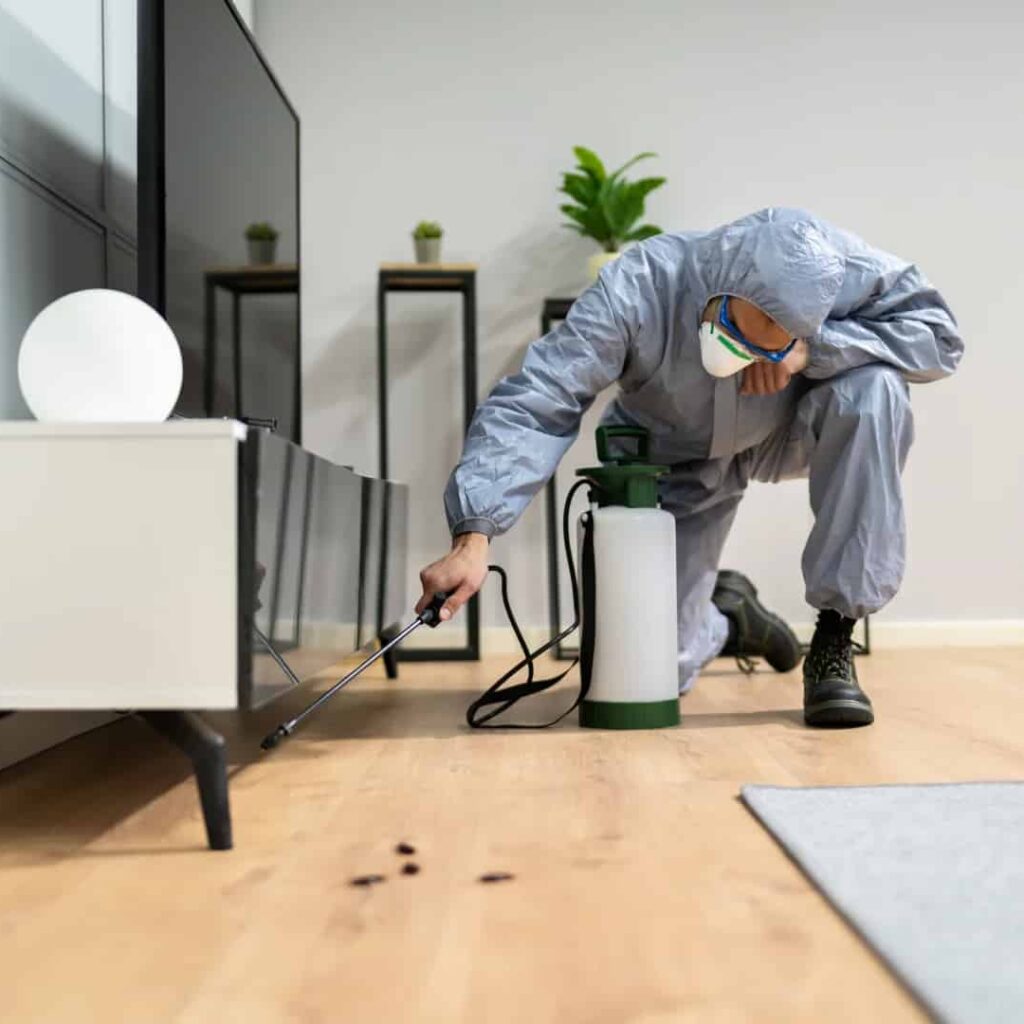
Even the cleanest homes can develop pest issues, which is why regular inspections are necessary. Professional pest control technicians can identify early signs of infestation and spot vulnerabilities that homeowners often overlook. Routine inspections help prevent pest problems before they escalate and become costly or dangerous.
Pest control professionals use safe, targeted treatments that protect your home without harming your family or pets. When combined with preventive habits, these inspections play a major role in maintaining a healthy, pest-free household.
Conclusion
Making your home less attractive to pests requires vigilance, preventive care, and expert guidance. By sealing entry points, maintaining cleanliness, managing waste correctly, reducing moisture, and keeping outdoor areas tidy, you significantly reduce the chances of pests invading your living space. For homeowners in Dubai looking for professional support, Safe Horizon Pest Control Dubai provides comprehensive solutions, including Residential Pest Control Dubai, to keep your home protected and pest-free. With consistent preventive measures and expert care, you can enjoy a safe, healthy, and comfortable living environment for your family.

