
A story of comfort, climate, and change
On a cold winter morning in Belgium, heating is not a luxury—it’s a necessity. For decades, Belgian homes and industries have relied heavily on gas and oil boilers to stay warm. But today, this familiar comfort is undergoing a quiet revolution. Behind the scenes, HVAC (Heating, Ventilation, and Air Conditioning) technologies are becoming one of the most important drivers of the country’s energy transition.
A System Under Pressure
Belgium, like many European countries, faces a difficult balancing act: reducing carbon emissions while ensuring reliable and affordable energy. The challenge is significant because heating and cooling alone account for roughly half of total energy consumption in Europe, with most of it still coming from fossil fuels .
This means that transforming HVAC systems isn’t just a technical upgrade—it’s essential for meeting climate goals. Belgium has committed to carbon neutrality by 2050, and the building sector sits right at the heart of that ambition .
The Rise of Heat Pumps
If there’s one technology that symbolizes this transition, it’s the heat pump.
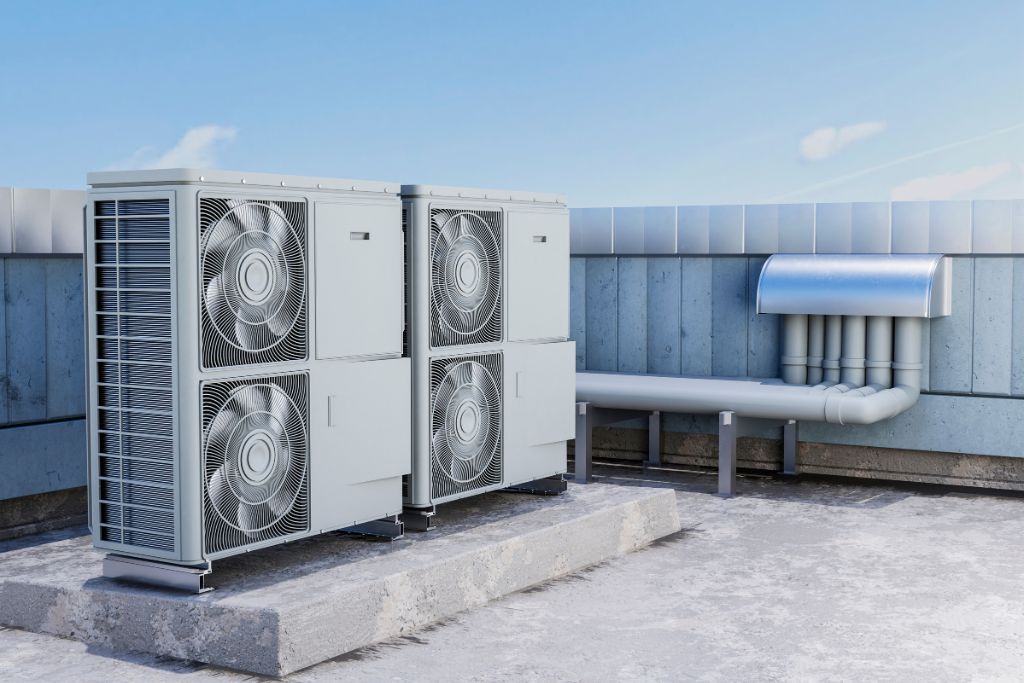
Unlike traditional boilers that generate heat by burning fuel, heat pumps move heat—from the air, ground, or water—into buildings. This simple idea leads to remarkable efficiency: they can produce three to four times more energy than they consume .
In practical terms, this means:
- Lower energy bills
- Reduced carbon emissions
- Compatibility with renewable electricity
It’s no surprise that policymakers see heat pumps as a cornerstone of Belgium’s future energy system. Incentives such as reduced VAT rates and regional subsidies are designed to make them more accessible .
Yet adoption hasn’t been as fast as expected.
Why the Transition Isn’t Easy
Despite their promise, heat pumps—and HVAC innovation more broadly—face real-world challenges.
1. Cost and Economic Uncertainty
Installing a heat pump can cost between €10,000 and €15,000, a significant upfront investment for many households . While long-term savings are possible, short-term affordability remains a barrier.
Moreover, fluctuating energy prices complicate decisions. When gas prices drop, heat pumps can appear less financially attractive .
2. Building Readiness
Belgium has an aging building stock. Many homes lack proper insulation, which reduces the efficiency of modern HVAC systems. Experts consistently emphasize a simple rule: insulate first, then electrify.
3. Social Acceptance
Technology alone doesn’t drive change—people do. Studies show that even when homeowners have a positive attitude toward heat pumps, uncertainty about savings and practical constraints often delays adoption .
In other words, the transition is as much psychological as it is technological.
Beyond Homes: Industrial HVAC Innovation
While residential heating gets most of the attention, industry is another critical frontier.
Belgian factories rely heavily on high-temperature heat processes, traditionally powered by fossil fuels. Here, advanced HVAC technologies like high-temperature heat pumps are emerging as game changers. They allow industries to electrify heat production while maintaining performance, opening new pathways for decarbonization .
At the same time, innovations like thermal energy storage systems are helping balance supply and demand, storing heat in summer for use in winter. These solutions highlight a broader shift: HVAC is no longer just about comfort—it’s about energy systems integration.
The Bigger Picture: Electrification
HVAC technologies are deeply connected to a wider transformation—the electrification of energy use.
As Belgium expands renewable electricity (wind, solar), HVAC systems are evolving to match:
- Heat pumps replace gas boilers
- Smart thermostats optimize consumption
- Buildings become flexible energy hubs
This shift also introduces new challenges. Increased electricity demand from heat pumps and electric vehicles is reshaping load patterns on the grid, requiring smarter infrastructure and planning.
A Transition Still in Progress
Belgium’s HVAC transformation is not a straight line. It’s a complex journey shaped by policy, economics, technology, and human behavior.
On one hand, the direction is clear:
- Fossil fuel heating is gradually being phased out
- Electrified HVAC systems are gaining ground
- Innovation is accelerating across sectors
On the other hand, the pace remains uneven. Financial barriers, infrastructure limitations, and public hesitation continue to slow progress.
Comfort Meets Climate Responsibility
At its core, the evolution of HVAC in Belgium tells a larger story. It’s about redefining what comfort means in a world facing climate change.
Heating a home is no longer just about staying warm—it’s about how that warmth is produced, at what cost, and with what impact on the planet.
Belgium’s experience shows that the energy transition doesn’t happen overnight. It unfolds through millions of individual decisions: homeowners upgrading systems, industries adopting new technologies, and governments shaping incentives.
And in that quiet, everyday process, HVAC systems—often invisible and taken for granted—are becoming powerful tools in building a more sustainable future.
Enterprise profile : Technicool Srl
Company profile
Profile off company : Technicool Srl
Address :
- Address : Rue Jakob Smits 17
- City : Bruxelles
- Postal code: 1070
- Country : Belgique
Phone : +32 475 81 56 51
Email : info@technicool.be
Website : technicool