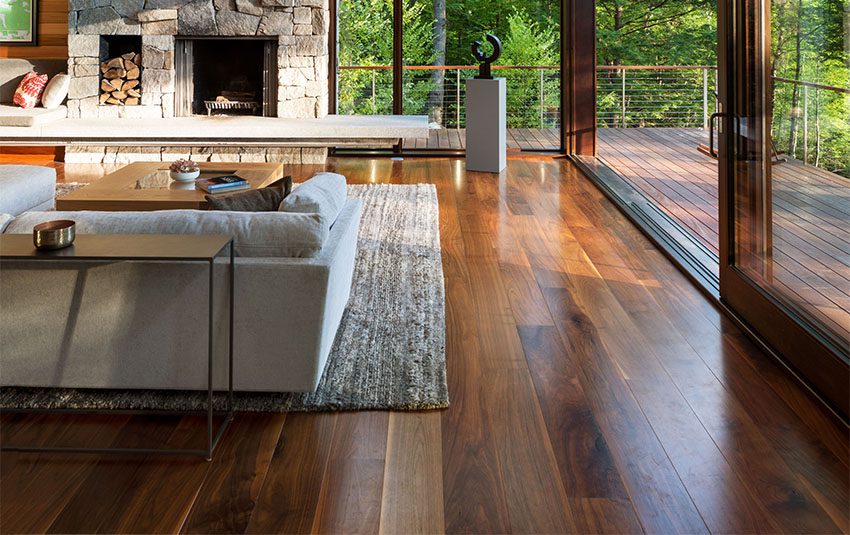

The flooring determines the tone of your entire house. It is the one design feature that unifies all of the furniture and the first thing you feel underfoot every morning. Therefore, for many homeowners, deciding between laminate and engineered wood flooring can be an unexpectedly emotional choice. Both have their own set of benefits, look gorgeous, and exquisitely enhance a space. However, your lifestyle, the requirements of your home, and your desired aesthetic all play significant roles in the decision.
You already understand how much flooring affects your house’s character if you’ve ever browsed inspirational living rooms or appreciated the grace of grey engineered herringbone flooring. Let’s examine the two materials in detail to help you determine which one is actually.
The Beauty Factor: Realism vs Versatility
When choosing flooring, appearance is one of the first factors people consider. Engineered wood flooring will grab your attention right away if you enjoy the organic, cosy, and distinctive feel of wood. Because it has a real wood top layer, the textures, knots, and grain patterns are all authentically natural. Because of this, it is almost identical to solid wood flooring but much more stable.
In the meantime, the design of laminate flooring has advanced significantly. Laminate can now imitate wood, stone, and even tile with remarkable accuracy thanks to high-definition printing. It allows for creative freedom without the high cost, thanks to its vast array of colours and patterns. Laminate options are great if you love decorative patterns like herringbone or if you want to look like oak one day and ash the next.
However, something like grey engineered herringbone flooring blends the classic appeal of wood with a modern twist for those seeking true luxury. While maintaining the warmth of engineered wood, its stylish design instantly enhances any area.
Durability: What Stands Up Best to Real Life?
Both types of flooring perform well under normal wear and tear, but in different ways.
Laminate flooring is incredibly resilient to dents, fading, and scratches. It is therefore ideal for homes with children, pets, or heavy foot traffic. Laminate is highly durable if you lead a busy life or frequently move furniture. It also requires little upkeep because of its protective top layer.
Conversely, engineered wood flooring is softer than laminate but stronger than solid wood. Because of its layered construction, it can withstand moderate traffic and is resistant to warping. The true benefit? Over time, it can be sanded and refinished to give your floor a new appearance whenever you’d like. For homeowners who are concerned about longevity and value, this makes it ideal.
Choices like grey engineered herringbone flooring offer durability with elegance, particularly in living rooms, dining areas, and bedrooms, if you’re looking for something long-lasting and fashionable.
Moisture Resistance: A Key Deciding Factor
Bathrooms, basements, and kitchens are examples of spaces that require careful planning. The greatest threat to any wood-based floor is moisture.
Depending on the manufacturer, laminate flooring may or may not be completely waterproof. It works well in offices, living rooms, bedrooms, and hallways, but prolonged exposure to water is not recommended.
On the other hand, because of its stable layered structure, Engineered wood flooring is more resilient to humidity than solid wood. If spills are cleaned up right away, you can install it in kitchens and in some rooms prone to moisture.
Shower rooms and other high-moisture areas shouldn’t have either engineered or laminate flooring. However, engineered wood performs better in somewhat humid environments.
Installation: DIY or Professional
Laminate flooring is straightforward to install if you enjoy do-it-yourself projects. The majority of products use click-lock systems, which allow planks to snap together without glue, nails, or special tools. It’s a fantastic weekend project that can lead to significant savings on installation costs.
Although some styles may need glue or expert fitting, engineered wood flooring also provides floating installation options. Laying herringbone patterns, such as grey engineered herringbone flooring, requires skill and accuracy. Professional installation is highly recommended for flawless alignment and a high-end finish.
Comfort and Feel Underfoot
A significant aspect of the flooring experience is comfort. Because laminate flooring is composed of compressed fibreboard, it usually feels a little firmer. However, underlay can significantly improve things by providing soundproofing and insulation. Because it has a real wood surface, engineered wood flooring is inherently cosier and warmer. Additionally, it is better at reducing noise, which makes it perfect for homes with multiple stories.
Cost: Budget vs Investment
Flooring decisions are frequently heavily influenced by budget. Generally speaking, laminate flooring is less expensive. It’s the ideal choice if you want a fashionable, long-lasting appearance without going over your budget.
Conversely, engineered wood flooring requires financial investment. It increases the long-term value of your house because it contains a real hardwood layer. Although it costs more than laminate, many homeowners find that its opulent feel and potential for refinishing make it worthwhile.
Investing in something like grey engineered herringbone flooring can completely change your interior if you’re looking for a high-end yet modern finish.
Final Thoughts
Ultimately, each type of flooring—engineered wood and laminate—has its own allure. Laminate is durable, reasonably priced, and adaptable. Elegant, cosy, and long-lasting, engineered wood is. Additionally, gorgeous speciality designs, such as grey engineered herringbone flooring, provide design enthusiasts with a fantastic harmony of durability and beauty. Your ideal option will depend on your lifestyle, financial situation, and desired interior design. One plank at a time, either type of flooring can add personality, comfort, and beauty to your room.