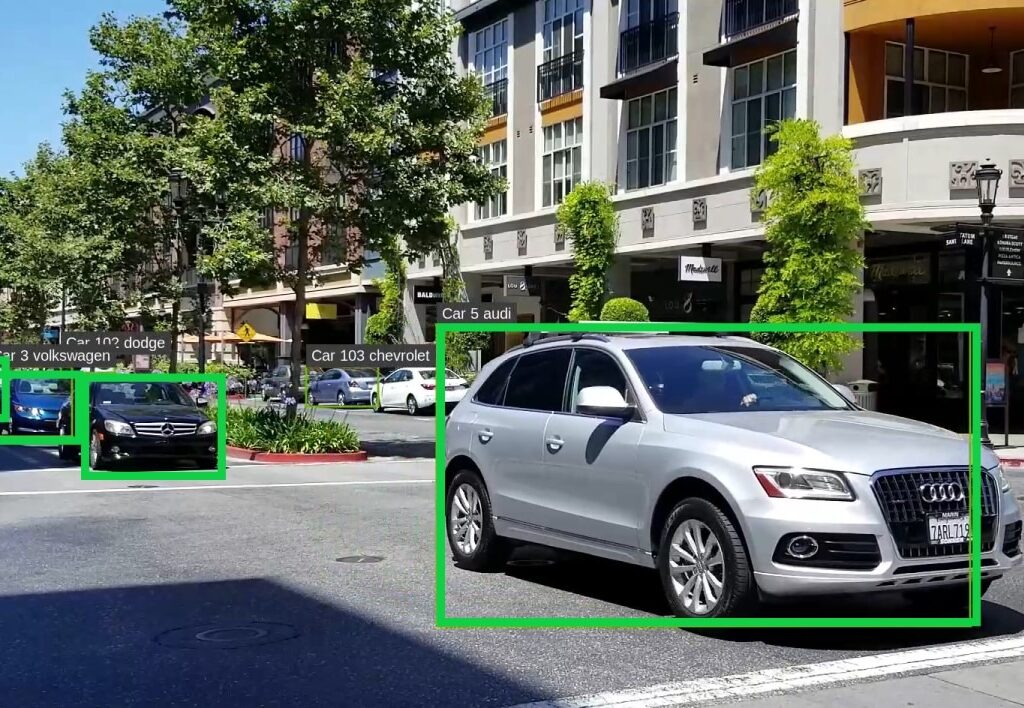

Security expectations for residential communities and commercial properties continue to rise. Apartment buildings, condominiums, HOAs, mixed-use developments, and managed facilities must control vehicle access while maintaining smooth daily operations. Comparing a license plate recognition system to traditional gate logs highlights how automation reshapes how properties track, review, and manage vehicle entry.
Traditional gate logs depend heavily on people. Guards write down plate numbers, drivers sign forms, or visitors state their purpose. These steps slow traffic and introduce human error. Over time, records become difficult to review or verify. Automation, enabled by tools such as a license plate recognition camera, changes this process by consistently and objectively recording vehicle activity.
How Traditional Gate Logs Limit Accountability
Manual gate logs rely on attention and accuracy during busy moments. Peak hours, weather conditions, and staffing gaps all affect record quality. Guards may miss vehicles, rush entries, or overlook details. Visitors may provide incorrect information or reuse access privileges longer than intended. These gaps weaken accountability and create uncertainty.
Paper logs and spreadsheets also make review difficult. Searching through pages to confirm a specific entry takes time. Identifying patterns or resolving disputes becomes challenging. When incidents occur, property managers may lack reliable documentation to support decisions, which undermines trust and delays responses across shared properties.
Accuracy and Consistency in High-Traffic Environments
High-traffic environments expose the limits of manual logs. Morning rushes, shift changes, and community events overwhelm guard stations. Vehicles stack up while entries get logged. Mistakes increase as pressure rises, and records become less reliable.
Automated systems supported by a license plate recognition camera maintain accuracy regardless of traffic conditions. Vehicles are captured as they approach the gate, without slowing down at the gate. Records remain consistent throughout the day, supporting accountability in properties where vehicle access changes frequently and volume fluctuates.
How License Plate Recognition Changes Record Keeping
A license plate recognition system automates vehicle identification at entry points. Cameras capture plate data as vehicles approach, and software records each event with time and location details. The process does not rely on memory, handwriting, or manual input. Every entry follows the same method, regardless of traffic volume or staffing conditions.
Automation creates structured records that managers can review quickly. Logs remain searchable and organized, making it easier to confirm access activity. When questions arise, data is available without delays or interpretation. This shift strengthens transparency and supports consistent decision-making across residential communities and commercial properties.
Accountability for Residents, Staff, and Visitors
Residential communities must manage access for multiple groups simultaneously. Residents expect a smooth entry. Staff require access during work hours. Visitors and vendors need limited access windows. Traditional logs struggle to track these distinctions clearly and consistently.
Automated access ties vehicle entry to approved credentials rather than handwritten notes. Residents receive ongoing access. Visitors receive temporary permissions. Staff access aligns with schedules. Each entry links back to a known approval, improving accountability and reducing confusion around who entered and when.
Reducing Disputes and Unclear Incidents
Disputes often arise when access records lack detail. A resident questions a denied entry. A board investigates unauthorized parking. A vendor disputes the timing. Manual logs rarely provide enough clarity to resolve these situations quickly.
Automated records include time-stamped entries and location data. Managers can review the exact activity without relying on recollection. This clarity helps resolve issues objectively and keeps conversations focused on verified information rather than assumptions.
Long-Term Reliability Compared to Manual Logs
Paper records degrade over time. Files get misplaced. Digital spreadsheets depend on consistent updates. Staff turnover disrupts continuity. Over the years, records become less reliable.
Automated systems maintain continuity regardless of personnel changes. Data remains accessible and structured over time. This reliability supports long-term accountability and historical review when questions arise months or years later.
Conclusion
Accountability defines effective access control. Traditional gate logs rely on people, memory, and manual effort, which creates gaps under pressure. Automation replaces uncertainty with consistent documentation.
By pairing reliable data capture with structured records, modern access technology changes how properties manage vehicle entry. Clear records support faster decisions, fewer disputes, and stronger oversight. As residential communities and commercial properties face increasing access demands, automated plate recognition provides a dependable path toward lasting accountability.ㅤ ㅤ ㅤ ㅤ ㅤ ㅤ ㅤ ㅤ