In today’s highly connected digital environment, networking has become one of the most important foundations of modern technology. From small home systems to massive global enterprises, networking connects devices, servers, applications, and users across the world. Within IT Hardware and Computer Hardware, networking plays a central role in enabling communication, data transfer, collaboration, and system integration. Without proper networking infrastructure, even the most powerful Computer Hardware cannot function efficiently in an interconnected environment. Networking has moved far beyond simple connections and now represents an intelligent, secure, and scalable ecosystem that forms the backbone of digital transformation.
Organizations, educational institutions, healthcare providers, and governments depend heavily on reliable networking systems to ensure continuous communication and data availability. Whether it is wired or wireless, local or global, networking links the world together through a complex web of hardware, protocols, and services. Understanding networking in relation to IT Hardware and Computer Hardware is essential for anyone who wants to build, maintain, or secure modern systems.
Understanding the Relationship Between Networking and Computer Hardware
Networking is inseparable from Computer Hardware because hardware components are the physical building blocks that make network communication possible. Devices such as network interface cards, switches, routers, modems, gateways, access points, and servers all exist within the domain of IT Hardware. These components form a structured environment where data can be transmitted efficiently from one device to another. Networking relies heavily on the quality and performance of Computer Hardware, as poor or outdated devices can become a major bottleneck in system operations.
Every computer that connects to a network contains a physical network interface, whether built into the motherboard or installed as a separate expansion card. This interface forwards and receives data signals across the network. Similarly, switches and routers are special-purpose pieces of Computer Hardware designed for directing traffic and ensuring that data packets reach the correct destinations. These hardware elements operate using embedded systems and firmware, which further demonstrates the close relationship between software logic and hardware execution in networking.
Servers, storage units, and security appliances are also considered part of IT Hardware used in networking environments. These elements do not simply exist as isolated machines; they work together through networking protocols to share files, manage access, provide applications, and process user requests. Networking is the thread that binds all Computer Hardware into an organized system capable of performing complex operations.
Core Components of a Networking System
Every effective networking setup depends on key hardware and communication elements. These components form the foundation of both small-scale networks and large enterprise infrastructures.
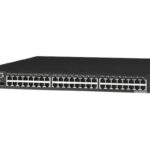
Routers are one of the most essential parts of any networking system. They connect multiple networks and forward data between them. In corporate environments, routers also help manage traffic between different departments or locations. Switches act as the internal traffic managers of a local network, connecting computers, printers, servers, and other IT Hardware. Unlike simple hubs, modern switches intelligently direct traffic to the correct destination, reducing congestion and improving performance.
Network cables also play a critical role in wired networking. Ethernet cables such as Cat5e, Cat6, and fiber optic cables enable fast and stable data transmission. Fiber optics, in particular, have transformed data centers and long-distance communication by providing extremely high speeds and low latency. Wireless access points, on the other hand, spread network connectivity without physical cables, giving mobile devices access to the networking system.
Another key component is the firewall, which protects the network from unauthorized access and cyber threats. This piece of IT Hardware inspects incoming and outgoing traffic and applies security rules to prevent malicious activity. Together, these components create a complete networking architecture that powers communication, collaboration, and data sharing in a Computer Hardware environment.
Types of Networking in IT Infrastructure
There are several different types of networking systems, each designed for specific purposes and environments. Local Area Networks connect devices within a limited space, such as an office, school, or home. A LAN provides high-speed communication between connected Computer Hardware elements like desktops, servers, and printers. This type of networking is extremely common in business environments and is often the foundation of daily operations.
Wide Area Networks cover much larger distances, sometimes connecting devices across cities, countries, or even continents. The Internet itself is the largest example of a WAN. IT Hardware designed for wide area networking often includes high-performance routers, fiber connections, and satellite systems. These networks support global communication and allow organizations to connect multiple offices around the world.
Metropolitan Area Networks are larger than LANs but smaller than WANs. They are typically used by city-wide systems, universities, or government organizations. Another growing type of networking is wireless networking, which removes dependence on cables and enables mobility. Wireless technology such as Wi-Fi and cellular networks has enabled new possibilities for flexible work, smart devices, and Internet of Things integration with Computer Hardware.
Cloud-based networking is also transforming ITHardware environments. Instead of relying solely on on-site hardware, many companies now use virtual networking environments hosted in the cloud. These solutions provide scalability and reduce the need for heavy physical infrastructure, while still being grounded in Computer Hardware located in remote data centers.
The Role of Networking in Business Operations
In the modern business world, networking is the key to productivity, collaboration, and efficiency. Employees depend on fast and stable networks to access databases, share documents, participate in video meetings, and run enterprise software. IT Hardware such as servers and storage systems are made more powerful when integrated into a well-designed networking framework.
Through networking, businesses can centralize data storage, enabling easier backups, better security, and simplified management. This allows multiple departments to access the same resources without duplication, saving time and reducing errors. Networking also makes it possible for companies to expand operations beyond physical office spaces. Remote working, cloud collaboration, and virtual communication are all made possible through effective networking strategies.
In industries such as finance, healthcare, and e-commerce, networking is mission-critical. Even a few seconds of downtime can result in major financial loss or data compromise. High-quality Computer Hardware and advanced IT Hardware solutions are therefore essential to support strong uptime, fault tolerance, and disaster recovery. Networking is not simply an add-on feature; it is a core business requirement.
Networking and Data Communication
Data communication is the process of transferring information between devices using networking systems. Every email sent, website accessed, or file downloaded requires reliable data transmission. Networking technologies divide information into packets and send them across different paths until they reach their final destination. This complex system operates in milliseconds, allowing instant communication around the globe.
Communication protocols such as TCP/IP, HTTP, FTP, and DNS manage how data is sent, received, and interpreted. These protocols allow different types of Computer Hardware and IT Hardware to understand one another even if they are manufactured by different companies. Networking brings standardization to communication, enabling seamless integration between devices.
The efficiency of data communication depends on network bandwidth, latency, and error handling. High-speed networks enable large file transfers, video streaming, and real-time communication, while slow networks create delays and interruptions. Upgrading Computer Hardware and optimizing networking infrastructure are essential for maintaining good communication performance in any digital environment.
Security Challenges in Networking
While networking provides immense benefits, it also introduces security risks. Unauthorized access, malware attacks, data theft, and system breaches are common threats in poorly managed networks. Cybercriminals often exploit vulnerabilities in outdated Computer Hardware or misconfigured IT Hardware to infiltrate systems. Networking security has therefore become one of the highest priorities for organizations around the world.
Firewalls, intrusion prevention systems, and encryption are used to protect data and prevent unauthorized access. Secure networking practices also include monitoring network activity, updating hardware firmware, and applying patches regularly. Strong authentication systems and access control policies ensure that only authorized individuals can enter sensitive networks.
Network segmentation is another effective strategy, where different departments or systems are separated into isolated network zones. This limits the spread of any potential attack. Regular audits and vulnerability assessments help identify weak points in the networking infrastructure. The combination of advanced IT Hardware and smart networking policies is essential for creating a secure digital environment.
The Rise of Wireless and Mobile Networking
Wireless networking has changed the way people connect to the digital world. Mobile phones, laptops, tablets, and smart devices now connect through Wi-Fi and cellular networks without the need for physical cables. This flexibility has transformed work environments, allowing people to remain productive from almost anywhere.
Wireless networking relies on access points and antennas, which are part of IT Hardware infrastructure. These devices transmit radio signals that connect nearby Computer Hardware. As technology evolves, new wireless standards provide faster speeds and wider coverage. Modern networks now support streaming, gaming, cloud computing, and real-time collaboration using wireless connectivity.
Mobile networking through 4G and 5G technologies is also impacting industries such as transportation, healthcare, and smart city development. Self-driving cars, remote surgeries, and automated manufacturing rely on secure, high-speed wireless networking supported by advanced Computer Hardware. This shows that networking is not only about connecting computers, but also about connecting entire ecosystems.
Networking in Data Centers
Data centers are the heart of the digital world, housing thousands of servers, storage devices, and networking equipment. These facilities rely heavily on optimized networking strategies to manage massive volumes of data. Within data centers, high-speed switches, routers, and fiber optics connect all IT Hardware in a tightly controlled environment.
Efficient networking in data centers ensures quick processing of requests from users around the world. When someone accesses a website or cloud service, data is delivered from a data center using advanced networking routes. Modern data centers use virtual networking technologies, automation, and AI-based monitoring to improve performance and minimize downtime.
Energy efficiency is also a major concern in data center networking. High-performance Computer Hardware must operate in a way that reduces power consumption and heat production. Engineers continuously seek innovations in IT Hardware and networking designs to improve sustainability and reduce environmental impact.
The Future of Networking and Computer Hardware
The future of networking is deeply tied to technological innovation in Computer Hardware. Artificial intelligence, machine learning, Internet of Things, and edge computing are shaping the next generation of networking systems. Smart networks will be able to detect problems, adjust traffic flow, and respond to threats automatically.
Upcoming advancements in IT Hardware will include faster processors, more efficient chips, and advanced networking modules embedded into everyday devices. Quantum networking, although still in its early stages, promises to revolutionize security and data transmission. These developments will reshape industries and redefine what is possible within the digital space.
As smart homes, autonomous systems, and advanced robotics become more common, networking will become even more essential. Every device will rely on stable and secure connections to function properly. The combination of high-quality Computer Hardware and intelligent networking will define the digital future.
Conclusion
Networking stands at the center of modern IT Hardware and Computer Hardware systems. It connects devices, enables communication, supports businesses, and fuels global innovation. From simple local networks to worldwide data infrastructures, networking continues to evolve and expand. Understanding its importance is critical for anyone involved in technology, whether as a user, technician, or business leader.
As digital demands grow, the need for powerful, secure, and scalable networking systems becomes even more important. By investing in advanced IT Hardware and strengthening networking strategies, organizations can build resilient environments ready for future challenges. Networking is not just a technical concept; it is the invisible force that powers the connected world