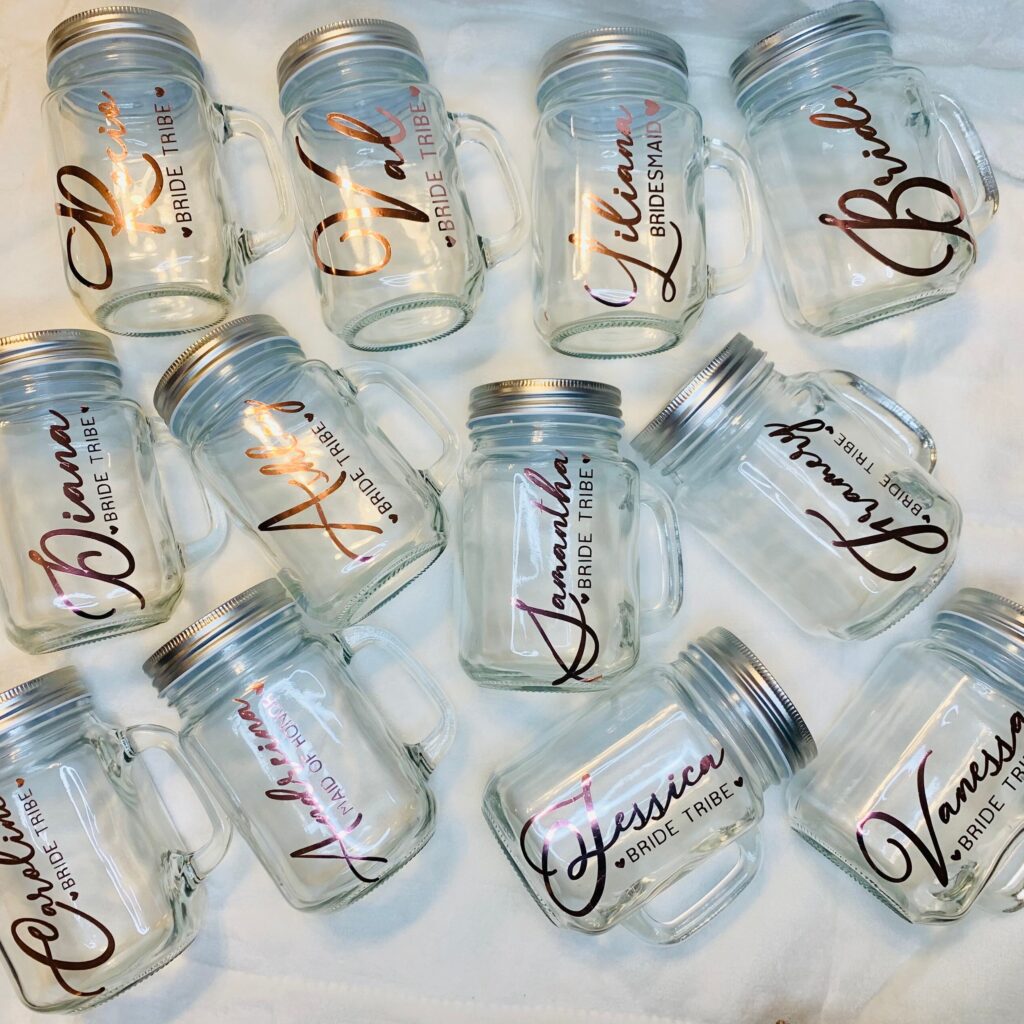

This guide explains how to design and print well-made custom mason jar lids with safe and durable results. You will learn about file types, materials, safety rules, and common mistakes you should avoid.
Choosing the Right Design Files for Printable Lids
Selecting the right design file helps you achieve clean and accurate prints. Many creators start with simple templates because they are easy to adjust. You can scale or edit these files to match your lid size. Most people use STL files because they work with many slicer programs. These files hold the shape of your lid in a stable digital model. Even so, you should always check the mesh before printing. Tiny gaps or loose surfaces cause warping during production custom mason jars. A clean mesh gives your printer better guidance, and the result looks much smoother.
Another useful format is OBJ. This format stores color data, but the printer may ignore the color detail. Even so, this format helps you preview your lid in different shades. You may want that if you plan to match the lid color with your kitchen style. Some designers also use STEP files. These are common in engineering programs. These files work well when you want a tight fit because they handle exact measurements. Still, STEP files need special software, and many hobby printers prefer simpler formats.
Before printing, you should test your design with a slicing tool. The slicer changes the digital model into layers. These layers guide the printer as it builds the lid. You should check if the preview shows sharp edges or weak points. If you see a thin area, increase the wall thickness. This simple fix helps prevent cracks. Good design files also reduce wasted material. When the model uses uniform surfaces, the printer does not need extra support. This helps the print finish faster with fewer errors. As a result, your final lid remains strong and attractive for daily use.
Understanding Material Options for Durable Lids
Choosing the right material makes a big difference. Many home printers use PLA because it prints fast and smells mild. Even so, PLA becomes soft in heat. A lid made from PLA may bend when stored near warm appliances. Because of this, PLA works best for decorative jars. If you want a lid that lasts longer, consider PETG. This material stays stable under higher temperatures. It resists light impact, too. PETG also holds up better when washed. It still prints easily, so it becomes a good middle option for many users.
ABS stands out for strength and heat resistance. Still, it needs higher temperatures, and it releases fumes during printing. Good ventilation becomes important. Many beginners avoid ABS for this reason. If you need a strong lid that stays rigid, ABS may help. Yet you need more care with the printing setup. Another option is nylon. Nylon lids resist wear and stay flexible. This makes them useful for lids that need a soft grip. Even so, nylon absorbs moisture. You may need a dry box to store the filament before use.
You should also consider the finish of each material. PLA and PETG often print smoother, which helps with sealing. A smooth surface creates better contact with the jar rim. When the surface has rough layers, the lid may feel loose. You can sand or coat the print, but this adds extra steps. A clean print from the start saves time.
When you compare materials, think about daily use. Stronger materials work well for storage or busy kitchen areas. Softer materials may suit craft projects. By testing small samples, you can feel which texture or strength fits your needs. This helps you choose a material that matches your design goals.
Ensuring Safe and Stable Lid Fitment
A good lid should fit the jar rim without slipping. Many makers measure the inner diameter of the jar opening before design. You should use calipers for best results. The measurement helps you avoid loose or tight fits. A tight fit can crack during use. A loose fit may fall off. When your printer creates repeated layers, small errors add up. Because of this, you should design a slight tolerance. This tiny space gives the lid room to slide onto the jar without stress.
Threaded lids need extra attention. If your design includes threads, test them with a short print first. A small sample section prints fast and saves material. You can twist the sample onto the jar and check the feel. This helps you adjust the angle or spacing of the threads. Threads often fail when the print speed is too high. Slower speeds create cleaner lines. You can also adjust the cooling settings to keep the shape crisp.
Flat lids use a different method to hold on. These lids often rely on the sealing ring of the jar. You should check if the lid sits level. A slight tilt leaves gaps that reduce safety. You can add ribs or small ridges inside the lid to improve stability. These details help the lid stay centered. They also add strength to the surface.
After printing, you should inspect for bumps or rough edges. Light sanding improves the fit. You should also test how the lid performs over time. A few uses reveal if the design stays stable. When you review these results, small changes in your next file can improve fitment. This method helps you build better lids that stay secure in daily use.
Food Safety Basics for Printed Mason Jar Lids
Food safety should guide your final design choice. Many printed lids work well for dry storage. Even so, not all materials are safe for long contact with food. Some filaments include dyes or additives. These may leave traces on your stored goods. For safe use, you should keep printed lids away from acids or hot liquids. These conditions break down the printed layers faster.
Some materials like PETG tend to be more stable. They resist moisture and hold shape. Even then, the layered structure of 3D prints leaves small gaps. These gaps may trap food particles. For this reason, cleaning becomes harder. You should wash printed lids by hand with mild soap. Hot dishwashers may warp the material. Some people choose to coat the lid with a food-safe sealant. This helps close the small gaps. You should follow the instructions on the sealant carefully.
You should also separate lids used for food from lids used for craft items. Craft inks and paints may leave traces on the print. This becomes unsafe when stored near food. Many users print a simple mark or symbol on the food lids to keep track. This helps keep your storage safe and organized.
If you plan to use your printed lids often, inspect them for cracks. Fine cracks grow over time. These marks show that the lid no longer seals well. Replace the lid when you see this damage. When you follow these steps, you protect your stored goods and keep your kitchen safer.
Common Printing Mistakes and How to Avoid Them
- Printing too fast causes weak walls.
- Poor cooling creates sagging along edges.
- Low infill reduces strength under pressure.
- Wrong measurement leads to a loose fit.
- Skipping test prints wastes time and material.
Techniques for Adding Color and Texture to Printed Lids
Adding color and texture helps you make unique designs. Many users begin with colored filament because it gives a consistent look. This method stays simple and needs no extra work. If you want more control, you can paint the lid after printing. Acrylic paint sticks well to most plastics. You should clean the surface first. Light sanding helps the paint bond. You can add a clear coat to protect the paint from scratches.
Some creators use textured build plates. These plates leave a pattern on the first layer. This pattern becomes part of the finished lid. You can also add texture in the 3D design itself. Raised lines or shapes give the lid a crafted feel. These shapes also improve grip. Still, deep grooves may collect dust. You should balance style with easy cleaning.
Another method is dual-color printing. This works with printers that hold two filaments. You can add borders, symbols, or simple designs in a second color. This approach needs careful setup. The nozzle change can leave tiny marks. A slower speed improves the finish.
For a natural style, you may prefer matte filaments. These reduce shine and make the lid look soft. Smooth coatings also help the lid feel more refined. You should test small samples before printing a full piece. This helps you see how the design reacts to your chosen texture.
When you take time to explore color and texture, you add charm to your storage setup. You also gain a better sense of the creative options in printed lid design.
Tips for Organizing Lids for Daily or Craft Use
Keeping your lids organized saves time. Many people sort them by size first. This simple step helps you find the right lid quickly. You can make dividers for drawers to separate the sizes. Another way is to use clear boxes. Clear boxes help you see your lids at a glance. Labeling the boxes adds another layer of order. Small tags or stickers tell you which size is inside.
You may also sort lids by material. Stronger lids work better for storage. Lighter lids fit craft projects. Sorting by material helps you choose the right lid for each task. You can mark the lids gently on the underside. These marks help you track the material type.
Many users keep frequently used lids in an easy-to-reach basket. Less common lids go on a shelf. This system saves time because you do not search through every lid. You can also create a small chart that shows the best uses for each lid type. When you keep this chart near your storage area, you improve your workflow.
If your lids include patterns or textures, store them upright. This helps protect the design. Stacking lids sometimes causes dents. Using soft cloths or pads between lids adds more protection. These simple steps help your printed lids last longer.
By organizing your collection, you manage your storage and creative tasks more easily. You also protect your printed pieces from damage over time.
When to Use Printed Lids Instead of Standard Options
Printed lids offer value in many situations. They work well when you need a special size. Some older jars use non-standard openings. Printed lids help fill these gaps. Many users also choose printed lids for craft displays. You can match the lid style with themed projects. This looks impressive on shelves or tables. You can also add short text or logos to the design. This makes your jar stand out in a gift set.
Printed lids help when you want lightweight parts. Some metal lids feel heavy, and they may rust. Plastic lids remain light and steady. They also avoid rust marks. Even so, printed lids may not replace metal lids for hot canning. They do not handle high heat or pressure. You should use them for storage only. Many people also switch to printed lids when working with children. The smooth plastic feels safer than sharp metal edges.
When you need a replacement in a hurry, printed lids help too. You can print a new lid at home in a few hours. This reduces waste because you do not need to buy a full pack of lids. When you adjust your file, you can fix the fit. This makes your lids more personal and useful.
Printed lids also allow greater design freedom. You can add small decorations or light embossing. This makes your jar look special on a shelf. Still, you should test your design before using it for storage. This last step makes your printed lid reliable and ready for daily use.
To keep the keyword natural, it is used once here: Many people pair these printed lids with Custom Mason Jars to create a complete set for craft or storage needs.
When you follow these ideas, you will find many moments where printed lids offer a smart and creative option.
Conclusion
Printed mason jar lids offer a flexible and creative solution for both storage and craft projects. When you choose proper design files, you gain more control over accuracy and fit. Safer materials help your lids last longer and stay stable in daily use. As you work through each stage, you learn how small changes improve strength, texture, and appearance. It also becomes easier to avoid common mistakes when you understand how speed, cooling, and design thickness affect the final result. While printed lids do not replace metal lids for heated canning, they shine in everyday storage, organizing, and decorating tasks. With careful planning and steady testing, you can produce lids that look good, work smoothly, and support the style you want in your home or workspace.