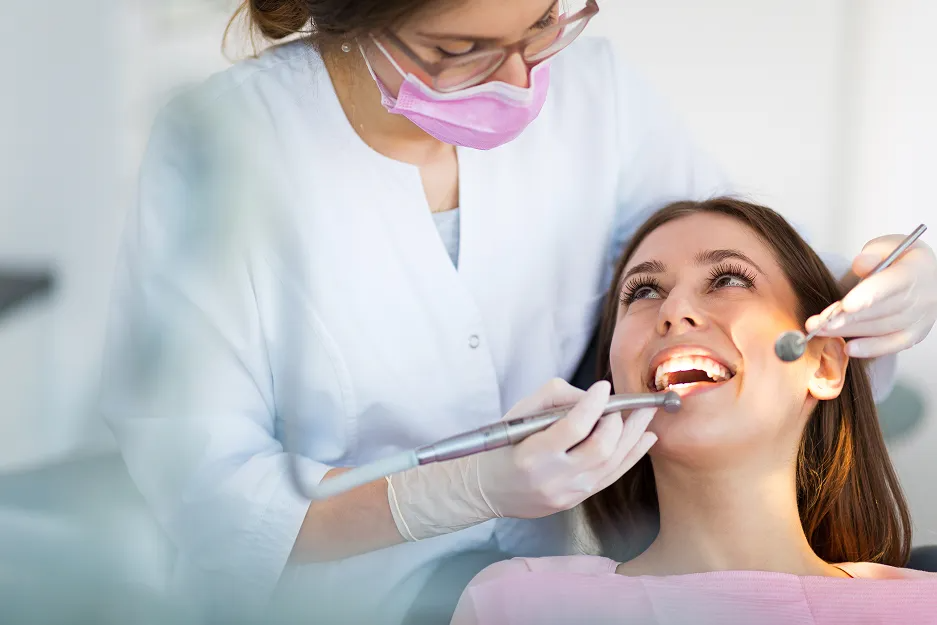

Orthodontic care is essential for oral health and building confident smiles, even for children with special needs. These patients may face unique challenges, including sensory sensitivities, communication difficulties, and medical conditions, which can turn minor issues into significant emergencies. Parents and caregivers must act quickly to ensure comfort, safety, and effective treatment.
This guide highlights common orthodontic emergencies in special needs children, practical home care strategies, preventative measures, and advice on when to seek professional help. With this knowledge, caregivers can provide rapid support, reduce discomfort, and maintain smooth progress throughout orthodontic treatment.
Understanding Orthodontic Emergencies in Special Needs Children
Not all discomfort during orthodontic treatment signals an emergency. It’s important to distinguish between minor irritations and true emergencies to prevent unnecessary stress while ensuring timely care.
Minor Issues may include:
- Temporary soreness after adjustments
- Mild gum irritation
- Slight friction from brackets or wires
Orthodontic Emergencies require prompt attention and may include:
- Broken or loose brackets that could injure the mouth
- Protruding or broken wires causing cuts or sores
- Loose or damaged retainers/aligners affecting tooth alignment
- Swelling, redness, or infection of gums or soft tissues
Prompt recognition of these emergencies allows caregivers to act quickly, reducing pain, preventing infections, and avoiding treatment delays. Children with special needs may not always verbalise discomfort, making close observation essential.
Common Orthodontic Emergency Scenarios
Certain issues are more likely to escalate into emergencies for children with special needs. Awareness helps parents and caregivers act swiftly, minimising discomfort and preventing further complications.
Typical Emergencies:
1. Broken or Loose Brackets
- Can occur due to accidental trauma, chewing hard foods, or oral habits.
- May irritate cheeks, tongue, or gums, and hinder tooth movement.
2. Protruding or Broken Wires
- Wires may poke or scratch sensitive oral tissue, causing pain, bleeding, or sores.
- Accidental biting can worsen injury.
3. Loose or Damaged Retainers/Aligners
- Misaligned appliances may compromise tooth position, extending treatment time.
4. Swelling, Redness, or Infection
- Symptoms such as pus, persistent redness, or swelling require immediate professional attention.
Quick Reference Table: Emergency Signs and Actions
| Emergency | Symptoms | Immediate Action |
| Broken bracket | Cheek/tongue irritation | Apply orthodontic wax; contact professional |
| Protruding wire | Cuts, sores | Cover with wax or reposition carefully; call specialist |
| Loose retainer/aligner | Misaligned teeth | Avoid use; contact orthodontist |
| Infection | Swelling, redness, pus | Rinse gently; seek urgent care |
Home Care and Comfort Measures
While professional care is essential for serious emergencies, temporary home measures can reduce discomfort and prevent further damage:
- Orthodontic Wax – Apply to brackets or wires causing friction against cheeks or gums.
- Soft Foods – Avoid hard or sticky foods that could aggravate appliances.
- Warm Salt Water Rinse – Soothes minor gum irritation and reduces inflammation.
- Cold Compress – Helps alleviate swelling from minor injuries.
- Pain Relief – Over-the-counter medications may be used carefully, following dosage instructions.
These measures provide temporary relief. If symptoms persist or worsen, contacting an emergency dentist in Watford or an orthodontist Watford ensures timely intervention and prevents complications.
When to Seek Professional Help
Recognising when home care is insufficient is critical for preventing complications and safeguarding treatment progress. Immediate professional intervention is required if the child experiences:
- Severe or persistent pain not relieved by medication
- Bleeding, swelling, or signs of infection in gums or soft tissue
- Broken brackets or protruding wires causing injury
- Loose retainers or aligners affecting bite or tooth alignment
Prompt contact with an emergency dentist in Watford or an orthodontist Watford reduces discomfort and prevents minor issues from becoming serious problems. Early professional attention often avoids prolonged pain and delays in treatment.
Preventative Strategies for Special Needs Children
Prevention is key to reducing orthodontic emergencies and ensuring a smooth treatment journey:
- Dietary Precautions: Avoid hard, sticky, or chewy foods that can damage appliances.
- Protective Appliances: Use mouthguards during sports or active play.
- Consistent Oral Hygiene: Brushing twice daily and flossing carefully around braces reduces the risk of irritation and infection.
- Routine Monitoring: Inspect brackets, wires, and retainers regularly for signs of damage.
- Scheduled Visits: Regular orthodontic appointments allow early detection and correction of minor issues before they escalate.
By adopting these strategies, caregivers can reduce emergencies, maintain oral health, and support effective treatment.
Emotional and Behavioural Support
Caring for children with special needs during orthodontic treatment involves more than managing physical issues. Emotional and behavioural support is equally important:
- Preparation: Use visual aids, social stories, or practice sessions to familiarise the child with appointments.
- Calm Environment: Reduces anxiety during visits and encourages cooperation.
- Positive Reinforcement: Rewarding successful routines encourages compliance and reduces fear.
- Collaboration: Regular communication between caregivers, dentists, and orthodontists ensures care is personalised to each child’s needs.
Combining these strategies with preventative and emergency measures allows children to navigate orthodontic treatment safely and comfortably.
Supporting Oral Hygiene During Orthodontic Treatment
Maintaining excellent oral hygiene is crucial for children with special needs during orthodontic treatment. Caregivers can adopt several practical strategies:
Key Tips:
- Regular Brushing: Twice daily using a soft-bristled toothbrush around brackets and wires.
- Flossing Assistance: Use floss threaders or interdental brushes to reach between teeth safely.
- Mouth Rinses: Antiseptic or fluoride rinses can help reduce plaque and inflammation.
- Routine Checks: Inspect appliances for food buildup or damage.
Combining these habits with regular orthodontic visits prevents infections, reduces discomfort, and ensures effective treatment progress, helping children maintain a healthy, confident smile.
Managing Accidental Appliance Damage
Even with careful habits, accidents can occur. In such cases:
- Do not attempt to remove or adjust wires or brackets yourself; this may worsen the problem.
- Secure the appliance safely until a professional can repair it.
- Apply orthodontic wax to sharp edges to prevent cuts.
- Rinse the mouth frequently to reduce irritation and maintain cleanliness.
Immediate consultation with an emergency dentist in Watford or an orthodontist Watford ensures minimal disruption and preserves the integrity of treatment.
Conclusion
Orthodontic emergencies in children with special needs can be stressful for both the child and caregivers. However, awareness, proper home care, preventative strategies, and timely access to specialised professionals make rapid relief achievable. Recognising warning signs early and acting promptly reduces pain, prevents complications, and ensures that treatment progresses smoothly.
For families in Watford, reliable professional guidance simplifies managing orthodontic emergencies and provides peace of mind. At Watford, we are dedicated to supporting children and caregivers throughout every stage of orthodontic treatment, ensuring a safe, comfortable, and confident smile for every patient.