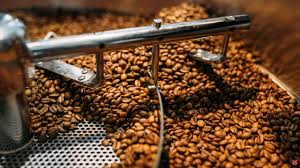

Roasting transforms green coffee’s potential into actual flavor through carefully controlled heat application. قهوة مختصة أصلية (authentic specialty coffee) roasting is both art and science, requiring skill, experience, and understanding of coffee chemistry. Excellent roasting reveals coffee’s inherent qualities while excellent green coffee wasted through poor roasting produces disappointing results.
Understanding Green Coffee Characteristics
Specialty roasters evaluate green coffee carefully before roasting, assessing density, size uniformity, defects, and color. These characteristics predict roasting behavior and help roasters anticipate challenges.
Bean density affects heat penetration speed during roasting. Dense beans require longer roasting times or higher heat to reach target roast levels. Lower density beans roast faster, requiring heat adjustment to prevent over-roasting.
Size uniformity matters tremendously. Uniform beans roast evenly with consistent development. Varied bean sizes result in some beans over-roasting while others under-roast, creating inconsistent flavor profiles.
Roasting Machine Types and Heat Application
Drum roasters, the most common specialty roasting equipment, rotate beans in a heated cylinder. The rotating drum ensures even heat exposure while allowing air circulation. Heat application methods vary – indirect heat from the roaster exterior, direct heat through the rotating drum, or combinations thereof.
Air roasters suspend beans in a hot air stream, providing rapid, even heat distribution. These machines require less preheat time and energy than drum roasters but produce smaller batches and allow less flexibility with heat manipulation.
Fluid bed roasters create air circulation that lifts beans, ensuring complete exposure to hot air. This method produces very even roasting but requires careful control to prevent excessive agitation.
The Roasting Phases
Drying phase (early roasting): Green beans begin at room temperature and require heating to 160-180°C to remove moisture. Water evaporates from the bean, and the bean color changes from green to yellow. Roasters often reduce heat during this phase, allowing time for heat penetration before aggressive temperature increases.
First crack (around 195-205°C): The bean reaches this temperature, water inside the bean becomes steam, and vapor pressure builds until the bean cracks audibly. This dramatic sound indicates a major physical transformation and psychological milestone during roasting.
Development phase (between first crack and second crack): Roasters actively control this phase through heat adjustment. Development time percentage – the ratio of time between first and second crack to total roasting time – significantly affects flavor. Light roasts stop soon after first crack. Medium roasts continue several minutes. Dark roasts extend toward or past second crack.
Second crack (around 220°C): Beans crack again, sometimes audibly though often more subtly than first crack. This marks transition into dark roast territory. Second crack represents structural breakdown of bean cell walls.
Roasting Curves and Profiles
Experienced roasters develop and document roasting profiles – specific temperature curves that they follow during production roasting. These curves guide roast consistency, allowing roasters to replicate successful results.
Heat application strategy affects flavor development. Aggressive early heat followed by reduction creates different results than gentle steady heat throughout. Fast roasts preserve acidity while slow roasts emphasize sweetness and body development.
Rate of rise (RoR) – how quickly temperature increases – is tracked and adjusted during roasting. Most roasts involve decreasing RoR through development as temperature increases. This deceleration allows heat to penetrate beans evenly.
Color Development and Visual Assessment
Green coffee’s color progression during roasting provides visual feedback about roasting progress. Yellow appears around 160°C. Light brown around 195°C (light roast). Medium brown around 205°C (medium roast). Dark brown around 225°C (dark roast).
Visual assessment requires experience. Consistency of color across all visible beans indicates even roasting. Uneven coloring suggests problems with heat distribution or bean movement through the roaster.
Spot roasting – lighter and darker areas on beans – indicates uneven roasting requiring investigation. Adjustments to heat distribution or agitation can improve consistency in subsequent roasts.
Aroma and Sound Cues
Aroma development indicates roasting progress. Early roasting produces grassy aromas. First crack approaches as coffee aromas intensify. First crack produces a distinct crackling sound. Post-crack aroma becomes more complex and coffee-like.
Experienced roasters listen to cracking sounds and cracking duration to gauge roasting stage. First crack typically lasts 30-60 seconds. The time between first and second crack is crucial for determining final roast level.
Aroma intensity and character provide additional guidance. The intensity of coffee aroma peaks around first crack and begins mellowing as roasting continues. Burnt or carbonized smells indicate over-roasting.
Temperature Monitoring and Recording
Digital temperature monitoring provides precise data about roasting conditions. Infrared sensors measure bean temperature while thermocouples measure environmental temperatures. This data guides roasting decisions.
Recording temperature curves from each roast documents roasting conditions. Comparing successful roasts with problematic ones reveals patterns about heat application and timing.
Rate of rise calculations based on temperature data help roasters maintain consistency. Tracking RoR trends reveals if equipment performance changes requiring maintenance or adjustment.
Cooling and Degassing
Immediately after dropping beans from the roaster, cooling must begin to stop the roasting process. Residual heat continues internal cooking after beans leave the roaster. Vigorous cooling using air or water prevents over-roasting from this residual heat.
Air cooling in metal sieves or rotating cooling drums uses ambient air to cool beans. This gentle method preserves flavor but requires more time. Water cooling rapidly cools beans through evaporative cooling but must be carefully controlled to avoid damaging beans.
After cooling, beans are often rested overnight before grinding and brewing. This resting period allows CO2 that accumulated during roasting to settle, facilitating proper extraction during brewing.
Sample Roasting and Recipe Development
Before committing to production roasting, specialty roasters sample roast individual coffees, testing different profiles to identify the approach that best develops that specific coffee. Sample roasting involves 3-8 ounce test batches to evaluate profiles quickly.
Cupping roasted samples guides profile selection. Roasters compare results from different profiles, selecting the one that best highlights the coffee’s unique characteristics while creating balanced flavor.
Documentation of successful sample roasts creates recipes for production roasting. These recipes specify target temperatures, timing, and heat manipulation strategies.
Production Roasting Consistency
Replicating sample roast results in production batches requires attention to detail and consistency. Similar roasting conditions should produce similar results, though variables always introduce some variation.
Batch size affects roasting characteristics. Larger batches accumulate more mass requiring longer roasting times. Smaller batches roast faster. Maintaining consistent batch size helps maintain consistency.
Environmental factors including ambient temperature and humidity affect roasting speed. Roasters compensate for these variations through observation and adjustment.
Defect Prevention During Roasting
Over-roasting is the most common roasting defect, creating bitter, burnt flavors. Identifying optimal roast endpoints based on visual cues, aroma, and sound prevents over-roasting.
Under-roasting leaves grassy, sour, underdeveloped flavors. Some coffees can taste sour when under-roasted despite perfect extraction. Adequate development time prevents this defect.
Uneven roasting creates inconsistent flavors as some beans over-roast while others under-roast. Proper heat distribution and bean agitation prevent uneven roasting.
Roasting as Craft and Art
Successful roasting combines technical knowledge with intuitive judgment. Understanding chemistry and heat transfer enables intentional decisions. Experience develops intuition that guides roasting.
Each coffee presents unique roasting challenges and opportunities. Specialty roasters approach each coffee individually, developing profiles that highlight that specific coffee’s character rather than applying generic profiles universally.
Innovation in roasting through experimental profiles and heat manipulations expands what’s possible. Roasters share successful innovations through the coffee community.
Equipment Maintenance and Calibration
Roasting equipment requires regular maintenance ensuring consistent performance. Drum rollers wear over time, requiring replacement when alignment issues develop. Heat exchangers accumulate buildup requiring cleaning.
Temperature sensor calibration ensures accuracy of monitoring equipment. Improper calibration leads to systematic errors in roasting decisions.
Regular equipment inspection identifies problems early before they affect multiple roasts. Preventive maintenance is more cost-effective than reactive repairs after problems damage coffee.
Sustainability in Roasting
Energy efficiency reduces operational costs and environmental impact. Modern roasters increasingly use efficient heating systems reducing energy consumption compared to older equipment.
Chaff management addresses the light, papery fruit skin removed during roasting. Some roasters compost chaff while others explore uses as animal bedding or biofuel.
Roasting generates heat that can sometimes be captured for space heating or hot water. This energy recovery reduces overall environmental impact.