
Introduction
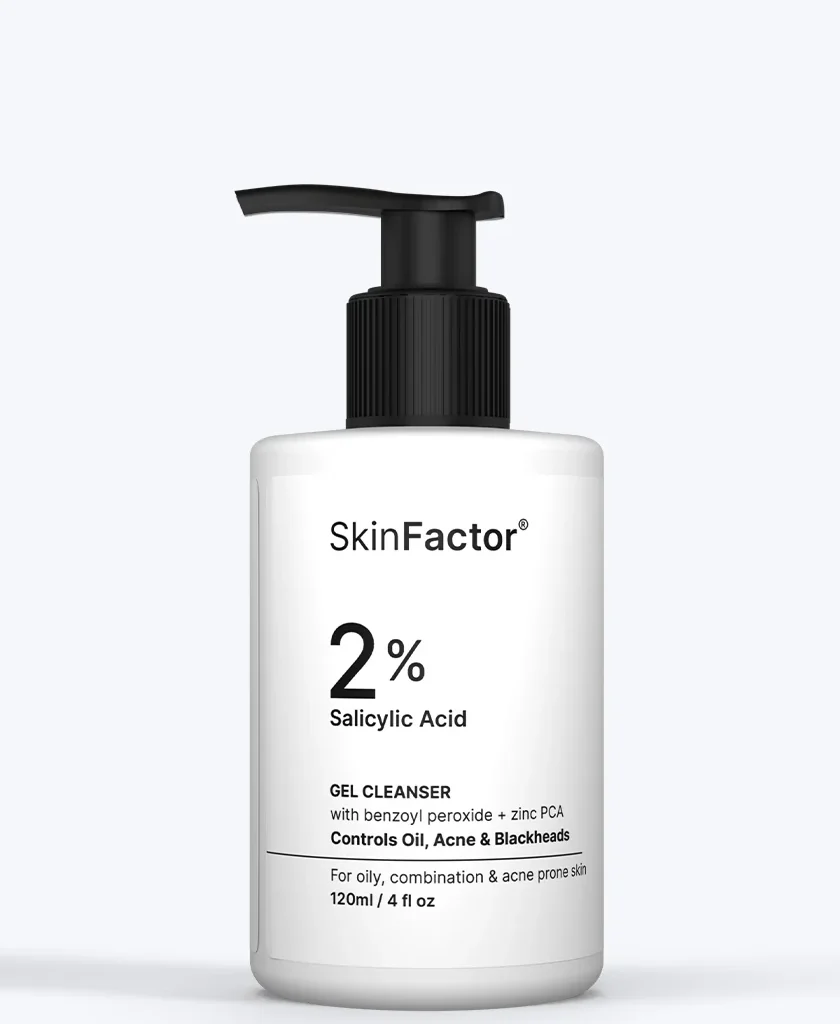
Salicylic acid cleansers occupy a prominent position in contemporary dermatological and cosmetic practice. Derived from willow bark and classed as a beta-hydroxy acid (BHA), salicylic acid is appreciated for its lipophilicity, keratolytic action, and capacity to penetrate sebum-laden hair follicles. As consumer demand for effective acne treatments, pore-clearing solutions, and gentle exfoliation has grown, salicylic acid cleanser in pakistan have become a common component of daily skincare regimens. This essay examines the chemical and physiological mechanisms of salicylic acid, the clinical benefits and typical formulations of salicylic acid cleansers, indications and contraindications, safety and tolerability considerations, practical guidance for use, and emerging developments and research directions.
Chemical Properties and Mechanism of Action
Salicylic acid (2-hydroxybenzoic acid) is an aromatic organic acid with a hydroxyl group adjacent to a carboxyl group on a benzene ring. Unlike alpha-hydroxy acids (AHAs) such as glycolic and lactic acid, salicylic acid is lipophilic, allowing it to dissolve in the oily milieu of the pilosebaceous unit. This physicochemical characteristic underlies its utility in treating comedonal acne and other disorders associated with follicular occlusion.
Mechanistically, salicylic acid exerts keratolytic effects by disrupting desmosomal attachments between corneocytes, promoting exfoliation of the stratum corneum and reducing hyperkeratosis that contributes to comedone formation. Within the follicle, its ability to penetrate sebum facilitates desquamation of keratinous material and helps clear and prevent microcomedo formation. Additionally, salicylic acid possesses mild anti-inflammatory properties that can reduce erythema and swelling associated with inflamed acne lesions. While not a bactericidal agent in the same manner as topical antibiotics or benzoyl peroxide, salicylic acid can decrease bacterial burden indirectly by reducing the environment favorable to Propionibacterium acnes (Cutibacterium acnes) colonization.
Formulations and Concentrations
Salicylic acid cleansers are available in a range of formulations—foams, gels, creams, and liquid washes—and concentrations typically range from 0.5% to 2% for over-the-counter products in many regions. Prescription formulations may use higher concentrations or combine salicylic acid with other active ingredients. The vehicle and pH of the product influence the effectiveness and tolerability: salicylic acid is more active at lower pH, but excessively acidic formulations increase the risk of irritation. Many cleansers are formulated to balance efficacy and skin tolerance, often incorporating emulsifiers, surfactants, humectants, and soothing agents such as glycerin, panthenol, or niacinamide.
Clinical Benefits and Indications
Acne vulgaris: The most established indication for salicylic acid cleansers is acne management, particularly in mild to moderate comedonal acne. Regular use can reduce comedone count, minimize blackheads and whiteheads, and improve skin texture. When combined with other acne-directed therapies—topical retinoids, benzoyl peroxide, or systemic agents—salicylic acid can complement multi-modal regimens by addressing follicular hyperkeratinization.
Exfoliation and texture improvement: By promoting desquamation, salicylic acid cleansers can refine skin surface texture and enhance the appearance of pores. They are frequently incorporated into routines aimed at reducing roughness and improving skin clarity.
Sebum control and oily skin: Salicylic acid’s lipophilicity enables partial solubilization of sebum, providing a sebum-regulating effect and rendering it useful for individuals with oily or combination skin types.
Hyperpigmentation and post-inflammatory marks: Although not as potent as AHAs in stimulating epidermal turnover and pigment dispersion, salicylic acid can contribute to the gradual improvement of post-inflammatory hyperpigmentation associated with acne through regular exfoliation and lesion reduction.
Follicular disorders beyond acne: Salicylic acid has applications in conditions characterized by follicular hyperkeratosis such as keratosis pilaris, where topical acids can soften keratin plugs and improve skin smoothness.
Safety, Tolerability, and Contraindications
Salicylic acid is generally well tolerated when used at recommended concentrations; nevertheless, potential adverse effects warrant consideration. The most common undesirable effects are skin irritation, dryness, stinging, peeling, and transient erythema—particularly in individuals with sensitive skin or when combined with other exfoliants or retinoids. Overuse or application of high-concentration products can compromise the skin barrier, leading to contact dermatitis or increased transepidermal water loss.
Systemic toxicity is rare with topical use but can occur with excessive application over large body surface areas, prolonged occlusion, or use in infants and young children. Salicylate toxicity presents with tinnitus, gastrointestinal upset, hyperventilation, metabolic acidosis, and other systemic features; therefore, caution is advised for populations at higher risk, including children, pregnant women, and patients with significant renal or hepatic impairment. Individuals with known hypersensitivity to salicylates should avoid these products.
Another important consideration is photo-sensitivity: although salicylic acid itself is not strongly photosensitizing in the way some topical agents are, exfoliation can transiently increase cutaneous susceptibility to ultraviolet radiation by removing the superficial barrier layers. Accordingly, regular application of broad-spectrum sunscreen is recommended when using exfoliative agents to mitigate the risk of photodamage and hyperpigmentation.
Interactions with Other Topical Agents
Combining salicylic acid cleansers with other active topical therapies can be beneficial but also increases the potential for irritation. Concurrent use with topical retinoids, benzoyl peroxide, or chemical exfoliants can produce additive keratolytic effects; clinicians often recommend spacing applications (using salicylic acid cleansers in the morning and retinoids at night, for example) or reducing frequency to tolerable levels. Formulations that incorporate hydrating and barrier-supportive ingredients help maintain tolerability in combination regimens.
Evidence and Efficacy
Randomized controlled trials and clinical studies support the efficacy of salicylic acid–containing cleansers and leave-on products in reducing comedones and improving acne severity. Comparative studies indicate salicylic acid to be effective for comedonal acne and mild inflammatory acne, although severe nodulocystic acne may require systemic therapy. Observational and split-face trials also demonstrate improvements in skin texture and pore appearance with regular use. Because cleansers are typically rinsed off, their contact time is limited; nonetheless, frequent (daily) use can yield cumulative benefits. Leave-on formulations (e.g., toners or creams) with salicylic acid deliver longer contact time and may provide greater clinical effect but also carry higher irritation risk.
Practical Guidance for Use
- Select an appropriate concentration: For many users, over-the-counter cleansers with 0.5%–2% salicylic acid strike a balance between efficacy and tolerability.
- Frequency of use: Begin with once-daily use or every other day if sensitivity is a concern; increase to twice daily as tolerated.
- Application: Apply to damp skin, massage gently, and rinse thoroughly. Avoid prolonged occlusion or leave-on use of rinse-off products unless the formulation is explicitly designed for such use.
- Adjunctive care: Use gentle moisturizers to counteract potential dryness; incorporate broad-spectrum sunscreen daily to protect exfoliated skin.
- Special populations: Exercise caution in children, pregnant or breastfeeding individuals, and patients with aspirin sensitivity or renal failure. Consult a healthcare provider for guidance when in doubt.
- Patch testing: Those with a history of sensitive skin or contact dermatitis should perform a patch test before widespread use.