
The choice of heating system is still a very tricky question for a lot of UK homeowners nowadays. The increase in energy prices has sharpened the focus on the whole heating process, and thus, every decision taken becomes more important. The comparison of boiler replacement with the installation of electric storage heaters is one of the most common ways through which people think about heating options. Both provide warmth, but their costs and comfort levels vary a lot.
The type of house you live in is a major determinant of the option that can give you long-term benefits. The availability of fuel is also a major factor that should be considered when making this decision. It is through recognizing the advantages and limitations that one is able to prevent mistakes that will cost him/her dearly. This guide lays out the two alternatives in a basic way. The structure of the entire text is such that it is impossible to get lost in the transitions. You will be able to pick the option you want at the end.
Pros and Cons of Boiler Replacement
Replacing an old boiler can greatly improve heating efficiency. Modern boilers use less gas to produce the same warmth. This efficiency helps reduce monthly energy bills over time. Gas boilers heat homes quickly and evenly. They work well in larger properties with multiple radiators. Most UK homes already have gas connections installed. This makes boiler replacement simple and less disruptive. Gas remains cheaper than electricity for heating in most UK areas.
However, boiler replacement still has drawbacks. Upfront installation costs can feel high for many households. Old pipework sometimes needs upgrades, increasing total costs. Boilers also need annual servicing for safe operation. Gas systems rely on fossil fuels, raising environmental concerns. Future regulations may limit gas heating use. Some homes may not qualify for certain boiler grants.
Pros and Cons of Storage Heaters
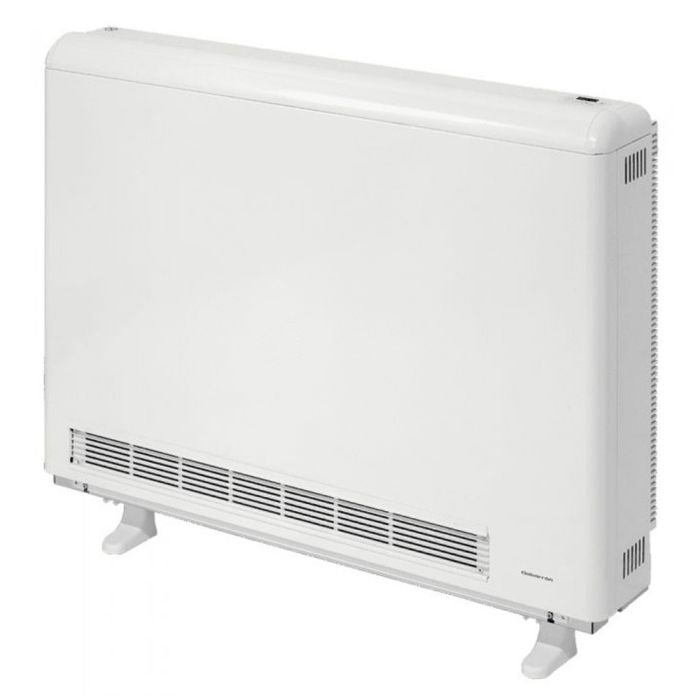
Electric storage heaters store heat during off-peak hours. They release warmth slowly throughout the day. This system works well with Economy 7 electricity tariffs. Installation is usually quicker than boiler replacement. No gas connection is required for storage heaters. They suit flats and smaller homes well. Maintenance needs are generally low. There is no combustion, improving indoor air safety.
Storage heaters also have clear disadvantages. Electricity costs more than gas for heating. Incorrect usage can lead to high energy bills. Heat output control feels limited for some users. Rooms may feel cooler in the evening. Older storage heaters are less efficient than modern models. Space is needed for wall-mounted units.
Which One Is Better for You?
The properties dictate the best solution. Households connected to the gas supply usually find it more advantageous to replace their boiler. Long-term, it is gas heating that is cheaper compared to electric heating. This makes boilers more appropriate for everyday and practically all-day heating for large families. Another use case is the bigger homes that can still benefit from the traditional radiator-based systems.
On the other hand, some homes do not have a gas meter installed at all. Usually, these houses are located off the gas grid. It may not be possible to install air source heat pumps, as they could require more space than what is available in a flat. In such situations, storage heaters can be viewed as a practical remedy.
The main advantage is that they supply heat without the need for major alterations to the building. Every daily heating habit is totally important in this regard, too. By being careful with the usage, the same good outcome can be obtained from both systems.
Cost and Benefit Analysis
Boiler replacement costs usually range between £2,000 and £4,000 installed. Costs vary by boiler size and installation complexity. Modern gas boilers reach over 90 percent efficiency. Average gas heating costs remain lower than electric heating. Electric storage heaters cost around £1,500 to £3,000 installed.
Running costs depend heavily on off-peak electricity usage. Electricity prices per unit exceed gas prices significantly. Gas heating can cost around 50 percent less annually. Savings grow larger in colder regions. Initial costs matter, but long-term bills matter more.
Are You Eligible for Grants?
Boiler Replacement Grant
Many households qualify for the free boiler grants through government schemes. The ECO4 Scheme supports low-income and vulnerable households. It helps replace inefficient boilers with modern systems. Eligibility depends on income and benefit status. Some pensioners also qualify automatically. Approved installers manage the full application process.
Electric Storage Heater Grant
An electric storage heater grant also exists under the ECO4 framework. These grants target homes without gas connections. Older electric heaters qualify for upgrades. Eligibility rules mirror boiler grant requirements. Free or discounted installations may apply. Professional assessments confirm suitability first.
Conclusion
The majority of the houses that are connected to gas in the UK will benefit from the replacement of their boiler. It offers the customer lower running costs and a guarantee of warmth. Besides, electric storage heaters are mainly suitable for residences that do not have gas or for locations where it is not possible to install heat pumps due to a lack of space. They will be less complicated to set up and provide more and simpler flexibility. First of all, access to fuel should be the main factor that dictates your choice.
Next in the lineup is the size of the property, which also has a significant impact on the decision. Running costs should be given priority over the initial price. The grant support can considerably ease the financial burden. Consulting an expert will guarantee the right choice is made. Choosing wisely improves comfort and long-term savings.