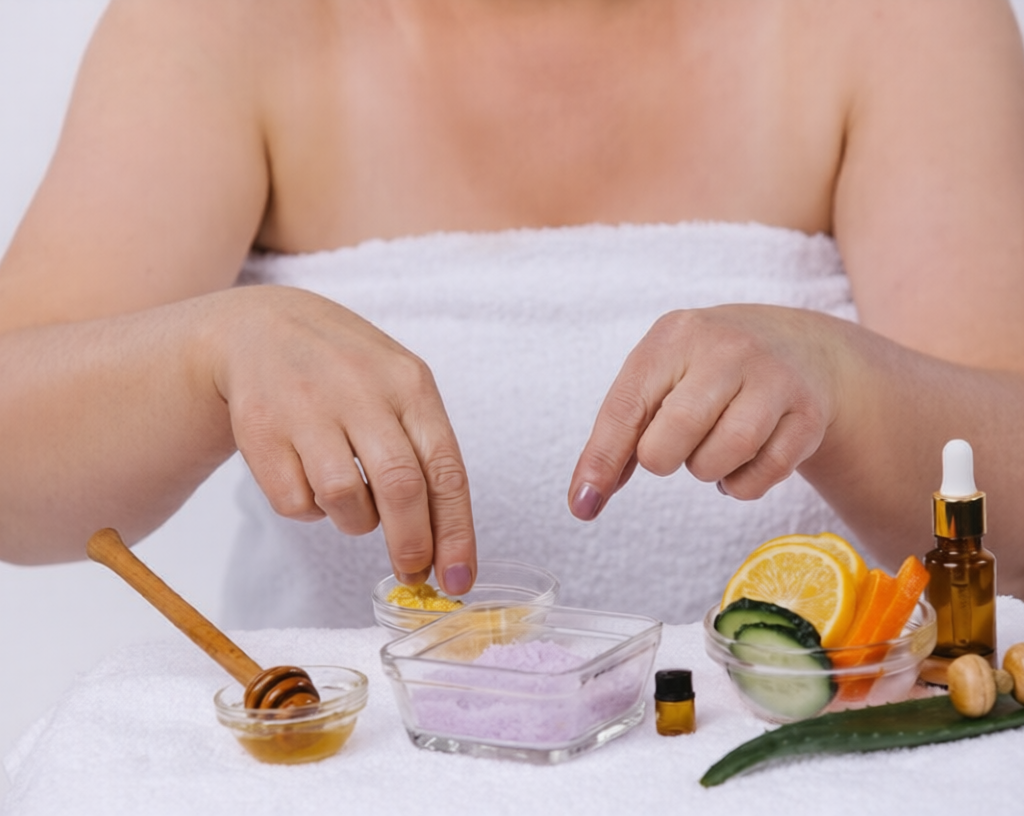

Skincare can be overwhelming, especially with the myriad of products and ingredients available in today’s beauty world. From cleansers to moisturizers, masks to oils, it’s easy to feel confused about what works best for your skin. While we may all know the basics of skincare—cleanse, tone, and moisturize—what about the specifics? Each step of a skincare routine is essential, but the ingredients within those products can make a world of difference. A common debate many skincare enthusiasts face is the comparison of toner vs serum, as both are often included in routines but serve very different purposes. Understanding the roles of skincare ingredients and what they bring to your skin can transform your beauty routine. Let’s dive into the essential skincare ingredients that should be on your radar.
1. The Hydrating Power of Hyaluronic Acid
One of the most powerful and beloved skincare ingredients, hyaluronic acid is a must-have for any skincare routine. It’s a humectant, meaning it draws moisture from the environment into the skin, keeping your skin hydrated and plump. Hyaluronic acid is found naturally in the skin, but as we age, its levels decrease. Using products with this ingredient can help replenish the skin’s moisture levels, giving you a healthy, glowing complexion.
Whether you have dry, oily, or combination skin, hyaluronic acid is suitable for all skin types. It works by attracting water to the skin’s surface, keeping it hydrated without leaving a greasy residue. If you live in a dry climate or struggle with dehydrated skin, hyaluronic acid can be a game-changer. To maximize its effects, apply a hyaluronic acid serum on damp skin and lock it in with a moisturizer to seal the moisture.
2. The Brightening Benefits of Vitamin C
Vitamin C is a powerhouse ingredient known for its brightening and anti-aging properties. It’s a potent antioxidant that helps to neutralize free radicals, which are molecules that damage skin cells and accelerate the aging process. By incorporating vitamin C into your routine, you can protect your skin from environmental stressors like pollution and UV rays.
Apart from protecting the skin, vitamin C also helps to lighten hyperpigmentation, dark spots, and melasma, giving your skin a more even-toned appearance. Over time, it can promote collagen production, improving skin elasticity and reducing the appearance of fine lines and wrinkles. For best results, look for serums or creams that contain stable, well-formulated vitamin C (like ascorbic acid or sodium ascorbyl phosphate) and use them daily in the morning for a radiant glow.
3. The Soothing Power of Aloe Vera
Aloe vera is one of the gentlest yet most effective ingredients in skincare. It has been used for centuries to treat burns, cuts, and other skin irritations, but its benefits extend far beyond that. Aloe vera is known for its anti-inflammatory properties, making it an ideal choice for calming irritated or sensitive skin.
The cooling sensation it provides can help to reduce redness and inflammation caused by sunburns, acne, or other skin conditions. Additionally, aloe vera contains vitamins, minerals, and amino acids that nourish the skin and promote healing. It also acts as a lightweight moisturizer, perfect for those who struggle with oily skin but still need hydration.
If you suffer from acne-prone or inflamed skin, aloe vera can be a great addition to your skincare regimen. Apply it directly from the plant or use it in a gel form to soothe and repair your skin.
4. Retinoids: The Anti-Aging Wonder
Retinoids, or vitamin A derivatives, are perhaps one of the most widely studied and trusted ingredients in skincare. They’re celebrated for their ability to reduce the appearance of fine lines, wrinkles, and age spots. Retinoids work by promoting cell turnover, speeding up the skin’s natural exfoliation process, and boosting collagen production.
While retinoids are great for reducing signs of aging, they also offer tremendous benefits for acne-prone skin. By preventing clogged pores and promoting skin regeneration, retinoids help keep breakouts at bay. However, retinoids can cause irritation, especially when you first begin using them, so it’s important to start slowly and use them at night only.
If you’re new to retinoids, begin with a lower concentration (such as retinol) and gradually increase the potency over time. Be sure to pair retinoids with a good moisturizer and always apply sunscreen during the day, as retinoids can make your skin more sensitive to sunlight.
5. Niacinamide: The Multitasking Ingredient
Niacinamide, also known as vitamin B3, is a skincare ingredient that provides a range of benefits for all skin types. It helps to strengthen the skin barrier, improve elasticity, and reduce redness or blotchiness. Niacinamide is especially useful for those with oily or acne-prone skin, as it regulates sebum production and minimizes the appearance of pores.
Another remarkable benefit of niacinamide is its ability to fade dark spots, hyperpigmentation, and uneven skin tone. It’s an excellent ingredient to add if you’re looking to achieve a more even complexion without irritating your skin. Niacinamide also has anti-inflammatory properties, making it ideal for calming sensitive or irritated skin.
You can find niacinamide in serums, moisturizers, and even toners, and it works well when combined with other ingredients like hyaluronic acid or vitamin C. It’s a versatile and gentle ingredient that can easily fit into any skincare routine.
6. Sunscreen: Your Skin’s Best Defense
While many people focus on moisturizers, serums, and exfoliants, sunscreen is arguably the most important skincare product you can use. UV rays from the sun are responsible for premature aging, skin damage, and an increased risk of skin cancer. Sunscreen acts as a protective barrier against these harmful rays, and wearing it every day is essential to maintaining healthy skin.
When choosing a sunscreen, make sure to opt for one with broad-spectrum protection, meaning it protects against both UVA and UVB rays. Look for a sunscreen with an SPF of 30 or higher and reapply every two hours if you’re spending time outdoors. Whether you prefer chemical sunscreens (which absorb UV rays) or physical sunscreens (which reflect UV rays), find a formula that suits your skin type and preferences.
It’s also important to note that even on cloudy days or indoors, you’re still exposed to UV rays, so sunscreen should be worn year-round. Additionally, incorporating antioxidants like vitamin C or E in your skincare routine can help boost the protective effects of sunscreen.
7. Exfoliating Acids: AHAs vs. BHAs
Exfoliation is crucial for maintaining smooth, clear skin by removing dead skin cells from the surface. There are two main types of exfoliating acids: AHAs (alpha hydroxy acids) and BHAs (beta hydroxy acids). AHAs, such as glycolic acid and lactic acid, are water-soluble acids that work on the skin’s surface to remove dead cells, improve skin texture, and brighten the complexion. They’re best for dry or sun-damaged skin.
On the other hand, BHAs, like salicylic acid, are oil-soluble acids that penetrate deeper into the pores to remove debris and oil buildup. They’re ideal for oily or acne-prone skin, as they help clear out clogged pores and reduce breakouts.
Both AHAs and BHAs are effective, but it’s important to choose the right one based on your skin type and concerns. Incorporate exfoliating acids into your routine two to three times a week, and always follow with sunscreen, as exfoliation can increase your skin’s sensitivity to the sun.
8. Peptides: Building Blocks for Stronger Skin
Peptides are short chains of amino acids that help to build and repair the skin’s natural structure. They play a vital role in collagen production, which is essential for maintaining skin elasticity and firmness. As we age, collagen production slows down, leading to sagging and wrinkles. Peptides help to stimulate collagen synthesis, making them a powerful ingredient in anti-aging skincare.
In addition to their anti-aging benefits, peptides also help to strengthen the skin barrier, retain moisture, and reduce the appearance of fine lines. You can find peptides in serums, creams, and even eye treatments. They are gentle yet effective ingredients that can be incorporated into any skincare routine, helping to keep your skin looking youthful and healthy.
9. Ceramides: Protecting Your Skin Barrier
Ceramides are naturally occurring lipids (fats) found in the skin that help to form the skin’s protective barrier. They play a crucial role in keeping moisture in and harmful irritants out. When the skin barrier is compromised, it can lead to dryness, irritation, and an increased risk of infections.
Incorporating ceramides into your skincare routine helps to replenish and strengthen the skin barrier, keeping your skin hydrated and protected. Ceramides are especially beneficial for those with sensitive or dry skin. You’ll find them in moisturizers and serums, and they pair well with other hydrating ingredients like hyaluronic acid.
Final Thoughts
By understanding and incorporating the right ingredients into your skincare routine, you can address your skin’s unique needs and concerns. From hydrating hyaluronic acid to anti-aging retinoids, the possibilities are endless. Whether you’re looking to brighten, moisturize, or protect, these skincare ingredients will help you achieve a healthier, more radiant complexion. Remember, consistency is key, and finding the right combination of products will lead to long-term skin benefits.