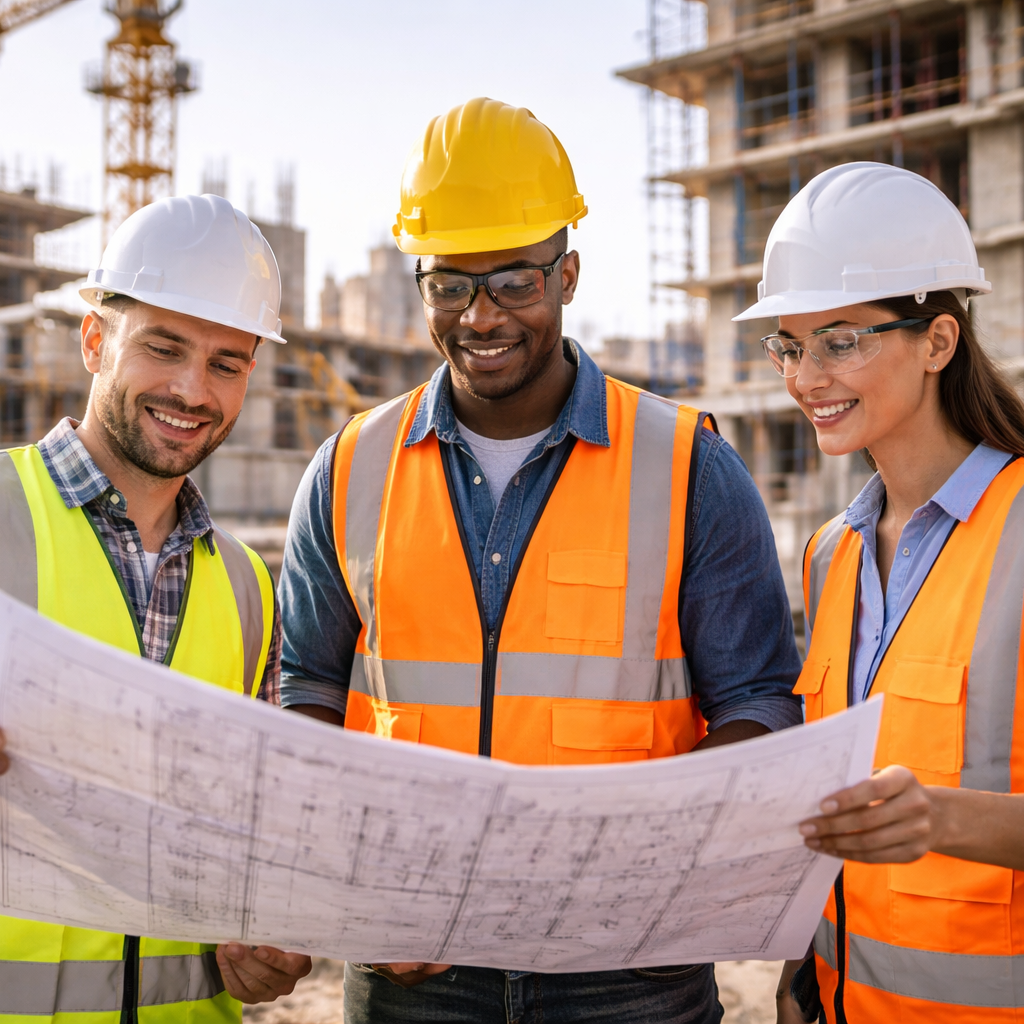

The construction industry has evolved dramatically over the past few decades. Traditional building techniques that relied heavily on manual labor and simple tools are increasingly being replaced—or enhanced—by modern construction methods that prioritize efficiency, safety, sustainability, and cost control. Whether you are a homeowner, student, investor, or industry professional, understanding these modern approaches can help you better appreciate how today’s buildings are designed and constructed. This article explores the fundamentals of modern construction methods and why they matter in today’s built environment.
What Are Modern Construction Methods?
Modern construction methods refer to innovative techniques, materials, and technologies used to improve the building process. These methods aim to reduce construction time, minimize waste, improve quality, and enhance worker safety. Unlike conventional methods that often involve building everything on-site from scratch, modern approaches frequently combine off-site manufacturing, advanced machinery, and digital planning tools.
Prefabrication and Modular Construction
One of the most significant shifts in modern construction is the use of prefabrication and modular construction. Prefabrication involves manufacturing building components—such as walls, floors, or roof sections—in a controlled factory environment and then transporting them to the construction site for assembly. Modular construction takes this a step further by producing entire building modules, including electrical and plumbing systems, off-site.
These methods offer several advantages. Factory-controlled conditions improve quality and consistency while reducing material waste. On-site assembly is faster, which shortens project timelines and lowers labor costs. Additionally, because less work is done on-site, there is reduced exposure to weather-related delays and safety risks.
Building Information Modeling (BIM)
Building Information Modeling, commonly known as BIM, is a digital process that has transformed how construction projects are planned and managed. BIM uses 3D models to represent the physical and functional characteristics of a building. Unlike traditional blueprints, BIM models integrate data related to materials, costs, timelines, and maintenance.
By using BIM, architects, engineers, and contractors can collaborate more effectively, identify potential conflicts before construction begins, and make informed decisions throughout the project lifecycle. This reduces errors, rework, and unexpected costs, making BIM a cornerstone of modern construction practices.
Advanced Construction Materials
Modern construction methods also rely on advanced materials designed to improve performance and durability. High-performance concrete, engineered wood products, and lightweight steel are widely used today. These materials offer greater strength, flexibility, and resistance to environmental factors compared to traditional options.
In addition, sustainable materials such as recycled steel, bamboo, and low-carbon concrete are gaining popularity. These materials help reduce the environmental impact of construction while meeting modern building standards and regulations.
Sustainable and Green Construction Practices
Sustainability is a major focus of modern construction. Green construction methods aim to reduce energy consumption, lower carbon emissions, and create healthier indoor environments. This includes the use of energy-efficient insulation, solar panels, green roofs, and smart building systems.
Modern construction also emphasizes efficient resource use, such as minimizing water consumption and reducing construction waste through recycling and reuse. Many projects now follow green building certifications, which set standards for environmental performance and long-term sustainability.
Automation and Construction Technology
Technology plays a vital role in modern construction methods. Automation tools such as drones, robotics, and 3D printing are becoming increasingly common. Drones are used for site surveys, progress monitoring, and inspections, providing accurate data quickly and safely. Robotics can assist with repetitive or dangerous tasks, improving productivity and worker safety.
3D printing, though still emerging, shows promise in creating building components or even entire structures with minimal waste and reduced labor requirements. These technologies help streamline processes and open new possibilities for design and construction.
Improved Safety and Efficiency
Modern construction methods place a strong emphasis on safety and efficiency. Advanced equipment, better training, and digital monitoring systems help reduce workplace accidents. Wearable technology, for example, can track worker movements and alert teams to potential hazards in real time.
Efficiency is also improved through better scheduling, supply chain management, and real-time communication. By integrating digital tools and modern workflows, construction projects can be completed faster and with fewer disruptions.
Why Modern Construction Methods Matter
The growing global demand for housing, infrastructure, and commercial spaces requires construction methods that are faster, smarter, and more sustainable. Modern construction techniques address these needs by reducing costs, improving quality, and minimizing environmental impact. They also make construction more adaptable, allowing projects to respond quickly to changing requirements or market conditions.
For clients and stakeholders, understanding these methods can lead to better decision-making and more successful projects. For professionals, staying informed about modern techniques is essential to remain competitive in a rapidly evolving industry.
Conclusion
Modern construction methods represent a significant advancement in how buildings are designed and built. Through prefabrication, digital modeling, advanced materials, sustainability practices, and cutting-edge technology, the construction industry is becoming more efficient, safer, and environmentally responsible. As these methods continue to develop, they will play a crucial role in shaping the future of construction and the built environment. Understanding the basics is the first step toward appreciating—and benefiting from—the innovations transforming construction today.