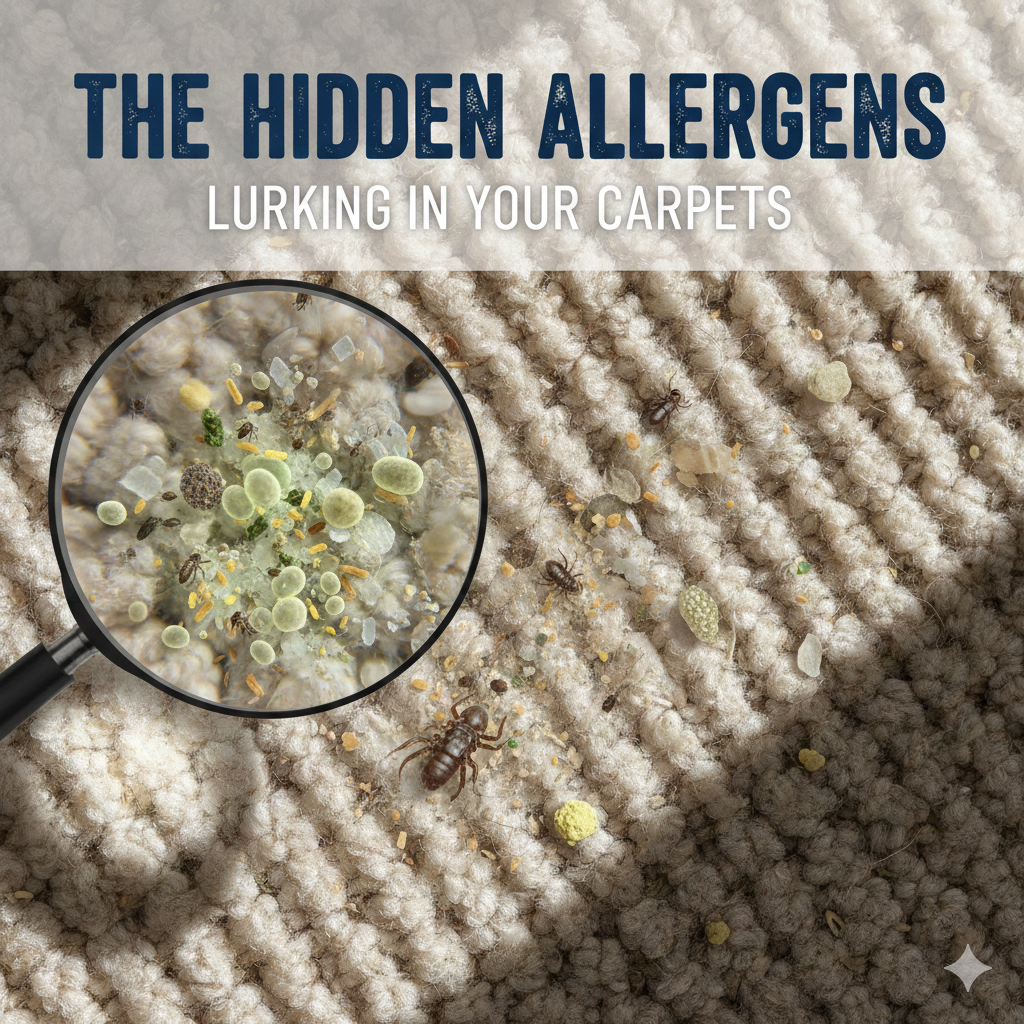

Most people look at a carpet and see comfort. Soft fibers under your feet, a warm layer in winter, a place where kids and pets like to stretch out and play. But beneath those fibers, something else builds up. Trapped inside the threads is a mix of dust, dander, pollen and other irritants that ride into your home on shoes, clothes or paws. It’s one of the reasons families often turn to a carpet cleaning service in Salt Lake City to help keep their homes healthy.
This story begins with something simple. You vacuum, maybe even on a regular schedule, and assume you’re staying ahead of whatever settles on the floor. But vacuums only remove a portion of what sinks into the deeper layers of a carpet. The rest stays put, slowly piling up until it starts affecting your air quality, your allergies and even the lifespan of the carpet itself.
The Dust You Can’t See But Always Breathe
Dust is unavoidable. It rolls in from outside, floats off fabrics and forms every time skin cells shed. Much of it settles right into carpet fibers, where it becomes the perfect hiding place for dust mites. These tiny creatures feed on organic particles and thrive in warm, soft environments. While they don’t bite or sting, they shed proteins that often trigger allergies and asthma.
If you’ve ever felt congested when you first wake up or find yourself sneezing more in carpeted rooms, dust mites may be part of the story. Over time, dust also grinds into carpet fibers and makes them appear worn before their time. Regular deep cleaning cuts down on both the allergens and the gradual wear.
Pet Dander and Outdoor Pollens Riding Indoors
Even well-groomed pets leave behind dander. These microscopic flakes cling to surfaces and drift around the home. Carpets catch them like a net. The same thing happens with pollen. If you’ve walked outside during spring or fall, you’ve carried pollen indoors on your shoes and clothing. Once inside, the carpet traps the particles and holds them until a cleaning lifts them out.
People often think of pollen as an outdoor problem, but indoor carpets can become storage zones for seasonal allergens, keeping symptoms active long after the season ends.
Food Crumbs and Bacteria Living Between Fibers
Kitchens aren’t the only places where food ends up. Snacks on the couch, a quick lunch at your desk or kids trailing crackers across the living room all add tiny particles to the carpet. These particles feed bacteria and even mold spores when humidity rises.
You might not notice anything at first, but a musty smell or more frequent allergy flare-ups can be early signs that your carpet needs attention. Deep cleaning doesn’t just freshen the appearance. It interrupts the environment that bacteria and mold need to grow.
Chemicals and Residues You Didn’t Know You Tracked In
Your shoes bring home more than dirt. Residues from car fluids, lawn treatments and street pollutants all cling to soles. Even if you wipe your feet, some of it still transfers to your carpet. Over time, these residues build up and can affect both indoor air quality and sensitive skin. Kids and pets have closer contact with floors, so they feel these irritants more.
This hidden layer of contaminants is one of the main reasons many households schedule professional carpet cleaning once or twice a year, even when their carpets still look clean on the surface.
Why Regular Vacuuming Isn’t Enough
Vacuuming only reaches the top portion of the carpet. Anything stuck deeper stays put until a stronger extraction method pulls it out. That’s why vacuums help with day-to-day maintenance but don’t fully control allergens.
A professional deep cleaning uses hot water extraction or other advanced techniques that reach deep into the fibers. This loosens and removes the debris that vacuums leave behind. Think of it as refreshing the foundation of your home’s air quality, not just the appearance of your carpet.
Carpets as Filters
Carpets act like large filters. They trap contaminants instead of letting them circulate in the air. This can actually be positive, but only when the carpets are cleaned regularly. A neglected carpet reaches a point where it can’t trap more and begins releasing irritants back into the room. That’s when allergies worsen, dust seems heavier and odors linger longer.
A good cleaning schedule restores the carpet’s ability to work for you instead of against you.
How To Reduce Hidden Allergens Between Cleanings
A few habits help limit buildup and keep carpets healthier between deep cleanings:
• Remove shoes at the door
• Wash pet bedding regularly
• Keep humidity low to discourage mold
• Vacuum slowly and in multiple directions
• Choose a high-quality vacuum with a HEPA filter
These steps won’t replace deep cleaning, but they stretch out the time between appointments and keep your home more comfortable.
When Carpets Aren’t the Only Problem
Many homeowners overlook other surfaces that hold allergens, especially tile and grout. These areas collect dirt, moisture and bacteria that can also influence indoor air quality. If your carpet is irritating your allergies, other floors may be contributing too. A full-home approach makes a bigger difference than cleaning only carpeted rooms while ignoring other surfaces.
For homes battling both carpet and hard-surface buildup, adding a service like tile and grout cleaning in West Jordan UT can round out your efforts and help create a healthier indoor environment overall.
FAQs
Why does my carpet trigger allergies even after vacuuming?
Vacuuming doesn’t remove deep allergens. Dust mites, pollen and dander settle into lower layers that require hot water extraction or a similar deep-cleaning method.
How often should carpets be professionally cleaned?
Most homes benefit from a deep cleaning once or twice a year. Homes with pets, kids or allergy-sensitive individuals may need more frequent cleanings.
Does carpet cleaning remove all allergens?
It removes a large portion, especially those embedded in the fibers. While no method removes everything, professional cleaning significantly reduces common irritants.
Are natural or green carpet cleaners effective?
Yes. Many modern eco-friendly products lift dirt and allergens without heavy chemical odors. Always check with your cleaning provider about the options they use.
If you want, I can expand this article, help you create a longer guide or craft additional supporting content.