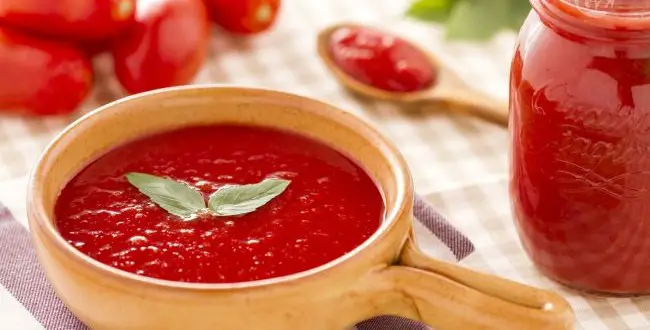

Tomato paste has become a kitchen essential for creating rich, flavorful dishes. While many rely on store-bought versions, making tomato paste from tomatoes at home ensures freshness, control over ingredients, and an unmatched depth of flavor. This guide explores the process, benefits, and creative uses of homemade tomato paste.
Why Choose Tomato Paste from Tomatoes?
Commercial tomato paste often contains preservatives, added sugars, or extra sodium. Opting for tomato paste from tomatoes allows you to enjoy a purer, more vibrant flavor. Fresh tomatoes offer natural sweetness and acidity, which results in a paste that enhances sauces, soups, and stews.
Homemade tomato paste also gives you the flexibility to select your preferred tomato varieties. Heirloom tomatoes, Roma, or San Marzano each provide unique flavor profiles that store-bought options rarely match.
Selecting the Right Tomatoes
Creating rich tomato paste from tomatoes starts with selecting ripe, high-quality produce. Look for tomatoes that are firm but slightly soft to the touch. Roma or plum tomatoes are ideal due to their lower water content and fewer seeds, which reduces cooking time and creates a thicker paste.
Heirloom varieties are perfect for those seeking a more complex flavor, though they may require longer cooking due to higher water content. Avoid overripe tomatoes with bruises or mold, as they can negatively affect the taste and consistency of your paste.
Preparing Tomatoes for Paste
Proper preparation ensures that your tomato paste from tomatoes has the best flavor and texture. Begin by washing tomatoes thoroughly. Remove stems, core, and any blemished areas. Blanching tomatoes in boiling water for 30–60 seconds, followed by plunging them into ice water, makes peeling easier. Removing the skin is crucial because it can make the paste bitter if left in.
Once peeled, cut tomatoes in halves or quarters and remove seeds if desired. While seeds add a slightly bitter note, some chefs prefer leaving them in for extra fiber. Cooking peeled and seeded tomatoes slowly will concentrate their natural sugars, resulting in a rich paste.
Cooking Process for Tomato Paste
Cooking is the heart of making tomato paste from tomatoes. Start by simmering tomatoes over low to medium heat. Avoid high heat, which can scorch the tomatoes and create a bitter taste. Stir occasionally to prevent sticking. Over time, water evaporates, and the tomatoes break down into a thick consistency.
After initial simmering, puree the cooked tomatoes using a food processor or blender. Return the puree to the pan and continue reducing it on low heat until it reaches a thick, dense texture. Patience is key here: rushing the process may result in watery paste with less concentrated flavor.
Tips for Perfect Consistency
- Use a wide, shallow pan to maximize surface area for faster evaporation.
- Stir frequently to prevent burning at the bottom.
- Add a pinch of salt to enhance flavor, but avoid sugar unless tomatoes are overly acidic.
- Optional: A dash of olive oil can add richness and improve texture.
Storing Tomato Paste
Proper storage extends the shelf life of your tomato paste from tomatoes and preserves its flavor. For short-term use, refrigerate in a tightly sealed container for up to a week. Adding a thin layer of olive oil on top prevents mold growth.
For long-term storage, consider freezing the paste in ice cube trays. Once frozen, transfer the cubes to a freezer-safe bag. This method makes it easy to use small portions without defrosting the entire batch. Canning is another option, though it requires sterilized jars and proper sealing techniques.
Culinary Uses of Tomato Paste
Tomato paste offers a concentrated flavor boost to many dishes. Incorporating homemade tomato paste from tomatoes elevates everything from pasta sauces to stews. It can enhance soups, marinades, and even dips.
Pasta and Pizza Sauces
Adding tomato paste to pasta sauces provides depth and richness. Unlike diluted canned sauces, paste adds body and a vibrant tomato flavor. For pizza, spreading a thin layer before adding toppings intensifies the sauce’s taste without making the dough soggy.
Soups and Stews
Soups benefit from tomato paste’s concentrated flavor. Adding a spoonful to vegetable, chicken, or beef soups transforms the dish by enriching the broth. In stews, it acts as a natural thickener while enhancing the overall umami profile.
Creative Recipes
Beyond traditional dishes, tomato paste can be used in unexpected ways:
- Homemade ketchup: Reduce tomato paste with vinegar, sugar, and spices.
- Tomato-based dips: Mix with roasted vegetables for a savory dip.
- Flavor booster for grains: Stir into rice or quinoa during cooking for extra depth.
Nutritional Benefits
Making tomato paste from tomatoes preserves the nutrients found in fresh tomatoes. Lycopene, a powerful antioxidant, becomes more concentrated during cooking, offering potential health benefits. Vitamins A, C, and K, as well as potassium, remain abundant in the paste, making it a nutrient-dense addition to meals.
Homemade paste also eliminates unnecessary additives and allows you to control salt and sugar levels, supporting a healthier diet.
Common Mistakes to Avoid
While making tomato paste may seem simple, several pitfalls can affect quality:
- Using watery tomatoes: Leads to longer cooking times and weaker flavor.
- Skipping peeling: Skin can cause bitterness and affect texture.
- Rushing the reduction: Proper concentration takes time; patience is essential.
- Improper storage: Paste exposed to air can develop mold or spoil quickly.
By understanding these common errors, anyone can create rich, flavorful tomato paste with minimal effort.
Conclusion
Homemade tomato paste from tomatoes is a versatile, flavorful, and nutrient-rich kitchen staple. The process—from selecting fresh tomatoes to slowly reducing them into a concentrated paste requires patience but rewards with unmatched taste. Whether used in sauces, soups, or innovative dishes, this paste elevates any meal while providing the satisfaction of creating something truly homemade.
Investing a few hours in making tomato paste ensures your dishes are richer, healthier, and bursting with natural tomato flavor. Experimenting with different tomato varieties and cooking techniques opens a world of culinary possibilities, turning a simple ingredient into a chef’s secret weapon.