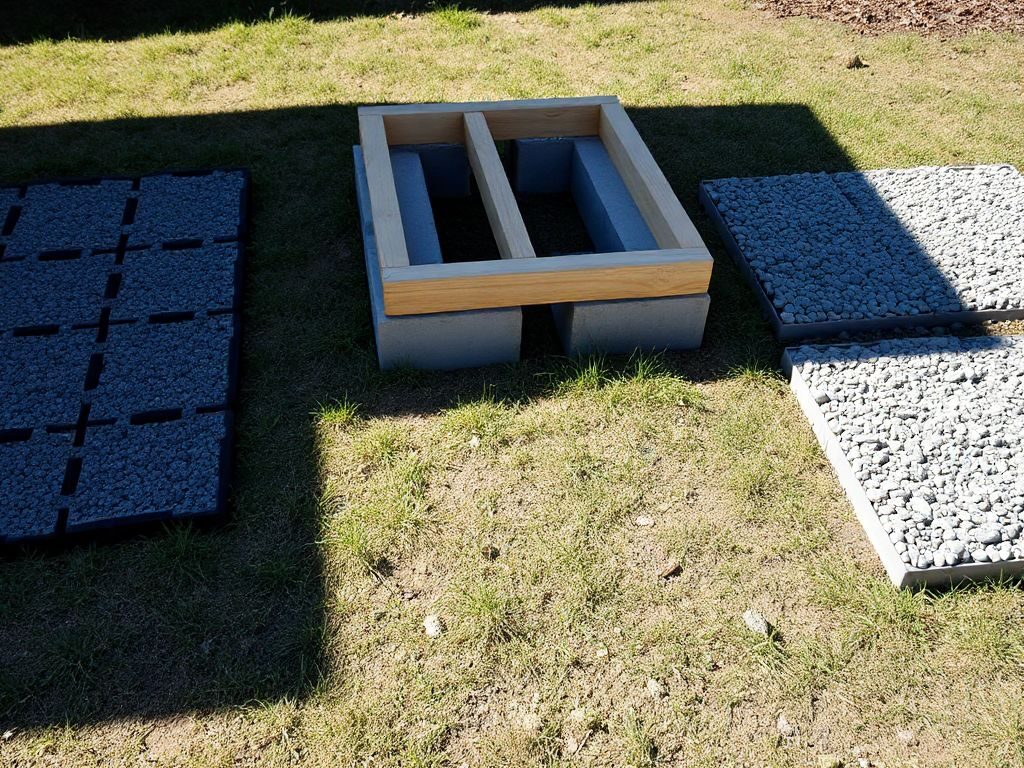

The selection of the foundation is the first challenge to building a shed, one of the most rewarding DIY projects for any homeowner. Many may think that a shed base will have to be expensive or complicated, but there are several low-cost options that can also offer really good stability and durability that will often last. Be it a storage shed, garden workshop, tool hut, or small hobby space, your foundation doesn’t have to be overly costly. What truly matters is a proper choice of methodology with your soil type, shed size, and budget in mind.
In this article, we explore some of the top Cheap Shed Base methods available today. Instead of overloading you with dozens of options, we’ll focus on a smaller set of practical choices, each explained in enough detail for you to make an informed decision. The following foundations are the best balance of affordability, ease of DIY construction, and reliability, making them ideal for budget-conscious homeowners.
Why A Shed Base Matters: Even When You’re Saving Money
Before taking a closer look at the low-cost shed base methods, it is necessary to understand why a foundation matters in the first place. The truth is, a shed base does so much more than hold up the structure. It affects the lifespan, stability, and overall performance of your shed.
A Good Shed Base Prevents:
Water damage: Moisture can leak into the timber floors, causing rot.
Uneven settling: : A shed constructed directly on soil will eventually tilt and/or sink.
Mold And dampness: Poor airflow combined with retained moisture can create severe long-term problems.
Warping Of The Floor: Without a level base, the shed floor may bow or crack.
Even with a tight budget, your shed needs a base that can adequately support it, andFortunately, strong and cheap foundations are wholly possible if you choose the right method.
Gravel Base: It’s Simple, Affordable, yet Highly Effective.
A gravel pad is among the most economical foundations you can build, and it remains a favorite among DIYers for its simplicity and durability. Gravel provides natural drainage that keeps the underside of the shed dry, which is important to preserve wooden floors.
Why Gravel Is Budget-Friendly and Practical
Gravel is the most widely available, least expensive, and easiest to transport of all shed foundation materials. It is also extremely forgiving during installation. No specialized skills or tools are required to build a strong gravel shed pad. Most homeowners can finish the job within a few afternoon hours.
How A Gravel Base Holds Up Over Time
Because gravel allows water to pass through, instead of pooling, it greatly reduces the chance of wood rot and mold. This makes it one of the best budget shed base methods for areas with moderate rainfall. With only occasional topping up or leveling, a gravel foundation can last for years without major maintenance.
Timber Frame Base: A Raised Foundation On A Budget
A timber frame base is a smart solution to get a raised platform with low expenses. In this approach, treated lumber is used to create a solid, wooden grid that supports the shed structure.
Why A Timber Frame Is A Great Low-Cost Option
Treated lumber is inexpensive, easy to cut, and widely available. The elevation of a shed slightly above ground level by a timber frame promotes airflow underneath. This prohibits the buildup of moisture and also makes it easier to install the shed on uneven or sloping grounds.
When To Choose A Timber Base
- Timber frame bases are ideal for:
- Wooden sheds
- Medium-sized garden buildings
- Areas where the soil holds moisture
Do-it-yourself builders who prefer wood over stone or concrete
If you are looking for a foundation to blend in with a natural garden aesthetic, a timber frame offers function and style at a reasonable cost.
Concrete Blocks: Strong Support Without The Expensive Slab
Concrete blocks give you excellent durability without the expense of pouring a full concrete slab. This type of foundation uses stacked or leveled blocks placed at key support points beneath the shed floor.
Why Concrete Blocks Are So Popular
Blocks are very cheap, especially compared to bags of concrete mix or calling in a professional to pour a slab. They’re also great for uneven terrain-you can easily adapt the height and position of each block to make sure the shed is perfectly level.
A Strong Foundation For Heavier Sheds
Concrete blocks offer a much more solid base for storage units intended to house heavy tools, machinery, and lawn mowers than timber or pallets might. They don’t shift, settle, or get weathered, which makes them a practical long-term solution that still stays within a modest budget.
Paving Slabs: A Neat and Durable Foundation
Paving slabs strike a perfect balance between cost, appearance, and durability. They provide a level, hard surface that suits larger or heavier sheds and creates a clean, tidy look in the garden.
Why Homeowners Choose Paving Slabs
Paving slabs are pretty inexpensive compared to full concrete and are widely available from hardware stores. They spread the weight of the shed evenly to prevent settling or shifting. When laid on a well-prepared sand or gravel base, they can form a solid foundation that will last for decades.
A Good Fit For Garden Aesthetics
If you want your foundation to look neat and not just functional, paving slabs have visual appeal. They also work well for sheds that double as small workshops, hobby spaces, or garden rooms.
Pallet Base: The Ultimate Ultra-Budget Method
Pallets provide one of the cheapest solutions if you need a Shed Base that costs next to nothing. Many businesses give away pallets for free, making them ideal for extremely tight budgets.
Why Pallets Work Surprisingly Well
Pallets offer immediate elevation and air circulation, raising the shed off damp ground. With bricks, gravel, or other supports, pallets create a light yet strong foundation.
Best Uses For Pallet Bases
Pallet foundations work best for:
- Small sheds
- Temporary buildings
- Storage units that do not hold heavy loads
- DIYers looking for the cheapest option
While not as durable as gravel or slabs, pallets can serve quite well for a short-term or low-budget foundation.
Choosing The Best Cheap Shed Base For Your Garden
All these methods are relatively inexpensive, but the best choice depends upon the size, purpose, and site conditions of your shed.
For Small Sheds: pallets or concrete blocks
For Medium Sheds: gravel or timber frames
For large Or Heavy Sheds: Paving slabs or concrete blocks
Final Thoughts
For uneven terrain: concrete blocks or a timber frame Budget matters, but so does durability. A well-chosen foundation can extend your shed’s life significantly. Final Thoughts You don’t have to spend much money building a solid, level foundation. Be it gravel, timber, concrete blocks, paving slabs, or pallets, each of these methods for building inexpensive shed bases will serve as an effective, long-term means of supporting your shed-without breaking your budget. With some planning and a bit of DIY effort, you can build a reliable foundation that protects your shed from moisture, shifting soil, and general wear-without spending more than necessary.