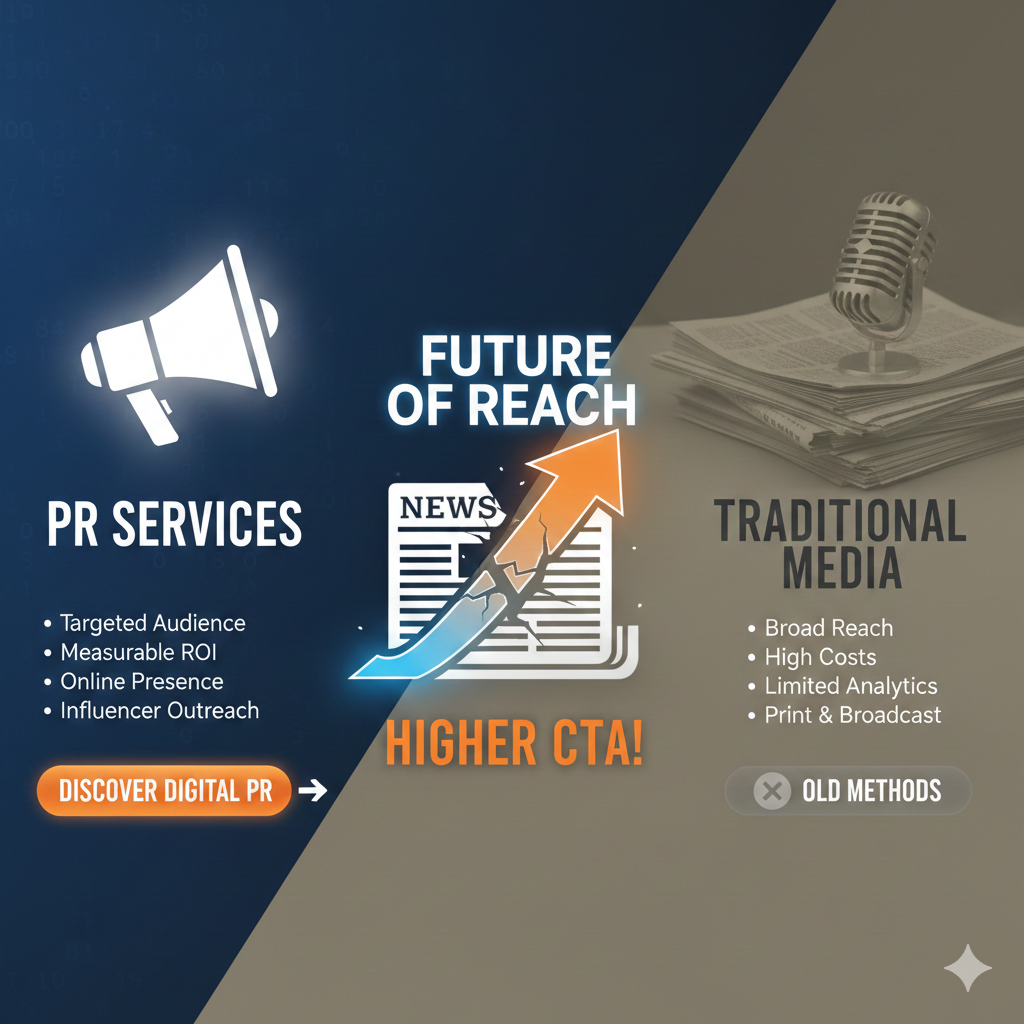

Public relations is evolving faster than ever, and 2026 is shaping up to be a pivotal year for professionals and brands in the United States. What used to be a world of press releases, media pitches, and standard campaigns has transformed into a landscape where data, micro influencers, and predictive insights shape decisions in real time. For anyone invested in building meaningful connections, understanding the top trends in PR Services is no longer optional—it’s essential.
The rise of micro influencers, the expansion of predictive PR tools, and the integration of lifestyle-focused campaigns are reshaping the way brands communicate with audiences. Beyond the buzzwords, these trends are redefining how relationships, personal connections, and storytelling happen in professional communications.
Micro Influencers: The Power of Niche Connections
In recent years, macro influencers—those with millions of followers—dominated PR campaigns. But the tides are shifting toward micro influencers, individuals with smaller but highly engaged audiences. In the USA, these niche creators are becoming vital for brands looking to build trust and authenticity.
Unlike large influencers, micro influencers have personal relationships with their followers. Their recommendations feel genuine, whether they’re sharing a unique lifestyle product, a thoughtful gift, or an experiential moment. For PR teams, this means campaigns can become more emotionally resonant. A son receiving a meaningful gift from his father, highlighted through a micro influencer’s authentic storytelling, can spark engagement far more effectively than a general ad.
Micro influencers also tend to have better engagement rates. Their audiences are highly targeted, meaning PR campaigns can reach the exact demographic a brand wants to connect with. This trend signals a move away from mass broadcasting toward personalized, relationship-driven storytelling.
Predictive PR: Using Data to Anticipate Trends
Predictive PR is another trend transforming PR Services. Instead of reacting to public sentiment after the fact, predictive tools allow PR professionals to anticipate it. By analyzing data patterns from social media, news outlets, and consumer behavior, AI-powered systems can forecast how campaigns will perform.
For lifestyle and gifting campaigns, predictive PR tools are particularly useful. They can determine the optimal timing for seasonal promotions, predict which gift types will resonate with certain demographics, or identify trending experiences that audiences will respond to. A thoughtful Father’s Day campaign, for example, can be strategically planned months in advance to maximize emotional impact and engagement.
While predictive PR relies on technology, human judgment remains crucial. Data can inform strategy, but only professionals can interpret insights through the lens of empathy, cultural nuance, and storytelling expertise.
AI and Automation in PR Campaigns
AI integration is accelerating across the PR landscape. From automated media monitoring to content suggestions, AI tools are helping PR teams work smarter without losing the human touch.
Automated social listening platforms can track how audiences respond to campaigns in real time, allowing teams to adjust messaging or approach quickly. For lifestyle-focused PR, this means understanding which gifts, family experiences, or trends resonate most with different audiences.
Automation also frees up time for creative work. Instead of manually compiling reports or searching for influencers, PR professionals can focus on crafting authentic stories and building personal connections that truly matter.
The Shift Toward Relationship-Driven PR
One of the most notable trends in 2026 is the shift from transactional to relational PR. Brands are investing in long-term engagement rather than one-off campaigns. This is especially relevant in lifestyle, gifting, and relationship-focused industries, where personal experiences and emotional resonance drive meaningful engagement.
For instance, a brand promoting a father-son gifting tradition isn’t just selling a product—it’s telling a story about family bonds, thoughtfulness, and timing. PR professionals are now focusing on crafting narratives that make audiences feel seen, understood, and connected.
This trend also highlights the value of micro influencers. Smaller audiences allow for deeper engagement, while campaigns can be personalized to reflect authentic experiences rather than generic messaging.
Content Personalization and Emotional Storytelling
Content personalization is no longer optional; it’s expected. PR campaigns now integrate tailored messaging that resonates with different audience segments. This approach is particularly impactful in lifestyle and gifting sectors, where emotional nuances matter.
Consider a campaign highlighting personalized gifts for sons. AI tools can suggest trending products or identify optimal messaging, but the human touch ensures that the story communicates emotion—why the gift matters, the timing of the gesture, and the relational context. Emotional storytelling like this is what sets standout PR campaigns apart in 2026.
Integrating Multimedia and Interactive Experiences
PR campaigns are becoming increasingly multimedia-focused. Interactive content, videos, and immersive experiences are helping brands connect with audiences in ways that static press releases never could.
For example, a lifestyle brand might launch an interactive campaign showcasing family gifting traditions. By combining video content, user-generated stories, and social engagement, PR teams create a rich experience that strengthens emotional bonds while maximizing reach. This trend reflects a larger shift toward experience-driven PR, where the audience participates in the story rather than simply observing it.
Ethics and Transparency Remain Central
Even with these technological advances, ethics and transparency remain critical. Predictive analytics and AI tools must be used responsibly. Audiences increasingly value honesty and authenticity, and PR campaigns that manipulate or mislead risk reputational damage.
For lifestyle and gifting campaigns, ethical considerations include respecting cultural sensitivities, avoiding stereotypes, and ensuring that AI-driven insights do not replace human empathy. By balancing technology with integrity, PR teams can build trust while still leveraging the latest trends.
Preparing for the Future of PR Services
The top trends in PR services for 2026 reflect a combination of technology, personalization, and relational storytelling. Micro influencers, predictive PR, AI integration, content personalization, and multimedia experiences are all shaping a landscape where human connection remains the most important factor.
PR professionals and brands that embrace these trends thoughtfully are better positioned to deliver campaigns that resonate emotionally, drive engagement, and reflect the evolving expectations of audiences across the USA.
Staying ahead means understanding that the tools are there to enhance human creativity, not replace it. Combining insights, data, and automation with empathy, intuition, and authentic storytelling will define the next generation of successful PR campaigns.
FAQs About PR Services Trends
Q: What makes micro influencers important in PR services today?
Micro influencers provide highly engaged, niche audiences. Their recommendations feel authentic, making campaigns more relatable and effective, especially for lifestyle and gifting campaigns.
Q: How does predictive PR benefit brands?
Predictive PR tools analyze data to forecast trends, allowing teams to plan campaigns that resonate with audiences ahead of time, optimizing timing and emotional impact.
Q: Can AI replace human creativity in PR?
AI can enhance efficiency and provide insights, but human creativity and empathy remain essential for crafting emotionally resonant stories.
Q: How are lifestyle campaigns evolving in 2026?
Lifestyle campaigns are becoming highly personalized, experience-driven, and multimedia-focused, emphasizing emotional storytelling and relational engagement.
Q: How can PR services remain ethical while using AI and predictive tools?
By maintaining transparency, avoiding bias, respecting privacy, and ensuring human oversight, PR professionals can use technology responsibly while building audience trust.