
The global tyre industry is undergoing rapid transformation, driven by technological innovations, changing consumer preferences, and the growing demand for sustainable solutions. Among the key players, Chinese tyre exporters have emerged as significant contributors to the international market. With a combination of competitive pricing, large-scale production, and modern manufacturing technologies, Chinese tyre manufacturers are shaping global tyre trends.
For businesses looking to import tyres from China, understanding the latest trends is crucial. This article explores current market dynamics, innovations, and strategies that buyers should be aware of when dealing with Chinese tyre exporters.
The Growing Global Demand for Tyres
The demand for tyres has increased steadily due to:
- Rising Vehicle Production: Growing automotive manufacturing in Asia, Europe, and North America.
- Expansion of Logistics and Transport Sectors: Increased road transport, e-commerce delivery, and freight operations.
- Replacement Market: Tyres wear out over time, creating ongoing demand for replacement products.
- Urbanization: Increased car ownership and public transport fleets in urban areas.
Chinese tyre exporters have capitalized on this demand by offering a wide range of products tailored for passenger vehicles, trucks, buses, and industrial machinery.
Key Trends Among Chinese Tyre Exporters
1. Adoption of Advanced Manufacturing Technologies
Chinese tyre exporters are investing heavily in modern production facilities that integrate:
- Automation: Reduces labor costs and enhances production consistency.
- Precision Engineering: Ensures high-quality tyre performance and durability.
- Advanced Materials: Use of high-quality rubber compounds, silica, and other additives to improve tyre grip and longevity.
These technological advancements allow exporters to meet global quality standards and compete with international brands.
2. Expansion into Global Markets
Chinese tyre exporters are increasingly targeting regions beyond Asia, including Europe, Africa, and South America. Strategies include:
- Establishing distribution centers in key markets.
- Partnering with local dealers and importers for better market penetration.
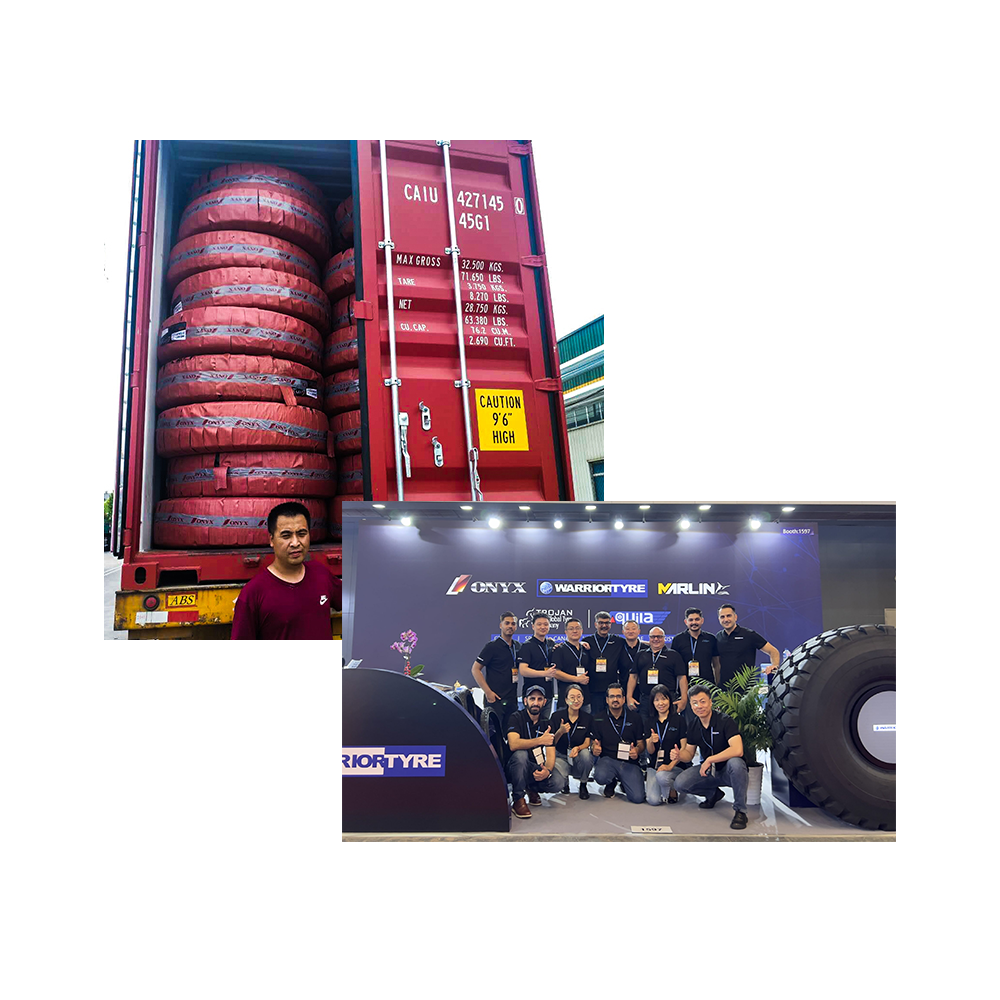
- Participating in international trade fairs to showcase products and build brand awareness.
This global expansion strengthens their position as reliable suppliers for businesses seeking tyres for international operations.
3. Focus on Sustainable Tyre Production
Sustainability has become a major trend in the tyre industry. Leading Chinese tyre exporters are adopting eco-friendly practices, such as:
- Using Recycled Materials: Incorporating recycled rubber and other eco-friendly materials.
- Reducing Carbon Footprint: Optimizing manufacturing processes to minimize energy consumption.
- Producing Fuel-Efficient Tyres: Designs that lower rolling resistance, reducing vehicle fuel consumption.
These practices appeal to buyers who prioritize environmentally responsible sourcing.
4. Increased R&D for Performance and Safety
Chinese tyre exporters are emphasizing research and development to improve tyre performance, safety, and durability:
- Enhanced Tread Designs: For better grip in wet and dry conditions.
- Noise Reduction: Quieter tyres for passenger comfort.
- High Load Capacity: Tyres capable of handling heavy trucks and buses safely.
Investments in R&D help exporters differentiate their products and meet international safety regulations, such as DOT and ECE certifications.
5. Diversification of Product Range
To meet the varied needs of global buyers, Chinese tyre exporters are diversifying their offerings:
- Passenger Car Tyres: Standard, all-season, high-performance, and winter tyres.
- Truck and Bus Tyres: Long-haul, urban transport, and off-road tyres.
- Industrial Tyres: Construction, mining, and agricultural vehicles.
- Specialty Tyres: For electric vehicles, sports cars, and commercial fleets.
This diversification enables exporters to serve multiple industries and expand their customer base.
6. Competitive Pricing Strategies
Pricing remains a strong advantage for Chinese tyre exporters. They balance affordability with quality by:
- Leveraging low labor and production costs in China.
- Offering bulk discounts for large fleet purchases.
- Implementing flexible payment terms for international buyers.
Competitive pricing makes Chinese tyres attractive to businesses looking to optimize costs without compromising safety and performance.
7. Emphasis on After-Sales Support
Top Chinese tyre exporters recognize that customer support is critical for long-term relationships:
- Warranty Services: Providing clear warranty policies covering defects and performance issues.
- Technical Support: Offering guidance on tyre selection, installation, and maintenance.
- Replacement Policies: Ensuring defective products are replaced efficiently.
Strong after-sales service enhances buyer confidence and fosters repeat business.
Challenges in the Chinese Tyre Export Market
Despite growth and innovation, Chinese tyre exporters face certain challenges:
- Trade Barriers: Tariffs, import restrictions, and regulations in some regions.
- Perception Issues: Some buyers remain skeptical about quality, requiring exporters to demonstrate compliance with international standards.
- Global Competition: European, American, and Japanese tyre manufacturers remain strong competitors in premium segments.
- Raw Material Fluctuations: Changes in rubber, oil, and chemical prices can impact production costs.
Exporters address these challenges through certification, branding, quality improvements, and strategic partnerships with global buyers.
Tips for Buyers Sourcing Tyres from China
Businesses looking to import tyres from Chinese exporters should consider the following:
- Verify Certifications: Look for ISO, DOT, and ECE certifications to ensure safety compliance.
- Check Production Capacity: Ensure the exporter can handle your order volumes.
- Evaluate Logistics Capabilities: Confirm shipping, documentation, and customs handling are reliable.
- Request Samples: Test tyres before placing large orders to ensure quality and performance.
- Assess After-Sales Support: Choose exporters offering warranties, replacements, and technical guidance.
By following these practices, buyers can minimize risks and build successful long-term partnerships with Chinese tyre exporters.
Conclusion
The Chinese tyre export market is evolving rapidly, driven by technological innovation, sustainability, and global expansion. Chinese tyre exporters are offering high-quality, cost-effective, and diverse tyre solutions that meet the needs of logistics companies, fleet operators, and vehicle owners worldwide. Buyers who understand these trends and choose reliable exporters can benefit from competitive pricing, advanced products, and strong after-sales support.
Staying informed about market developments, certifications, and exporter capabilities is essential for businesses seeking to import tyres from China successfully. By leveraging the strengths of top Chinese tyre exporters, companies can ensure reliable tyre supply, enhance operational efficiency, and remain competitive in the global market.