When choosing a roof for your home, one style that often rises above the rest for durability and aesthetics is the hip roof. A hip roof features slopes on all four sides, which meet at a ridge or a single point at the top. Unlike gable roofs which have two sloping sides and vertical ends, a hip roof lacks vertical end walls. This four-sided design gives the roof a symmetrical, pyramid-like shape — or sometimes a rectangular ridge with sloping planes — that complements many architectural styles while offering several functional benefits.
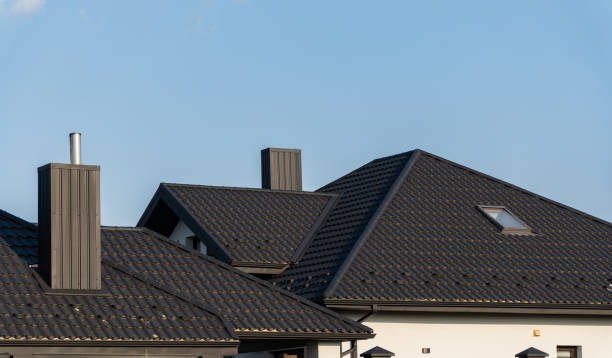
So, what is a hip roof? A hip roof consists of four equal (or nearly equal) sloping sides that converge at a ridge or at a single apex. This design evenly distributes weight and provides more stability, especially in areas prone to strong winds or heavy snow loads. The consistent slope on every side also enhances drainage, reducing the risk of water pooling or leakage.
Advantages of a Hip Roof
Stability and Wind Resistance
Because a hip roof slopes on every side, it has fewer flat surfaces for wind to catch. This makes it inherently more stable during storms and high winds compared to many other roof types. The sloping sides help channel wind upward and over the roof, reducing uplift and pressure. This makes hip roofs especially popular in regions where weather can be intense — an important consideration if you’re building or renovating in a climate with occasional severe storms.
Excellent Drainage and Water Shedding
Another practical benefit of a hip roof is its ability to shed water efficiently. Rain and snow slide off the slopes naturally toward the eaves on all sides, preventing water from pooling near the roof’s peak. This reduces the chances of leaks, structural water damage, or mold growth — particularly valuable in climates with heavy rainfall or snowfall.
Aesthetic Appeal and Architectural Versatility
Hip roofs offer a clean, balanced look that complements many home styles — from traditional cottages and bungalows to contemporary builds. Their symmetrical form and uninterrupted eaves often give a home a more polished, unified appearance. Additionally, the design allows for more wrap‑around eaves, which can provide extra shade, help protect siding from rain, and even create welcoming covered porches.
Better Indoor Temperature Regulation
Because of their consistent slope and often steep pitch, hip roofs can offer better ventilation and attic airflow when properly ventilated. This can help regulate indoor temperature, reduce heat buildup in the attic during summer, and lower heating costs in cooler months. Well‑ventilated hip roofs can also help preserve roofing material longevity by reducing heat and moisture buildup.
Considerations and Potential Drawbacks
While hip roofs come with many benefits, there are a few factors homeowners should consider:
- Complexity and Cost: A hip roof typically requires more engineering, more materials, and more labor to build than a simple gable roof. The multiple slopes, ridges, hips (external angles where roof planes meet), and valleys can increase both material waste and construction difficulty.
- Less Attic or Loft Space: Because all sides slope downward, the usable attic space under a hip roof can be reduced compared to a gable roof with vertical end walls. This might limit the potential for loft conversions or large overhead storage.
- Maintenance Challenges: The increased number of hips and valleys can create more points where water or debris could accumulate if not properly constructed or maintained. That means homeowners should plan for maybe slightly heavier maintenance — clearing gutters and inspecting flashing at hips and valleys — to avoid issues down the road.
When a Hip Roof Makes the Most Sense
A hip roof can be a smart investment in several scenarios:
- If you live in a region with frequent storms, strong winds, or heavy precipitation, the added stability and drainage of a hip roof can help protect your home long-term.
- For those who prioritize curb appeal and symmetry, especially for mid‑ to high‑end homes, a hip roof lends a polished, balanced look that enhances architectural value.
- When durability and low maintenance are priorities — the robust construction and consistent drainage make it a practical long-term choice if properly built and maintained.
Hip roofs also pair well with other design elements like wrap‑around eaves or front porches, offering both functional shading and aesthetic cohesion.
Tips for Building or Maintaining a Hip Roof
- Work with experienced professionals to ensure the roof’s framing, ridges, hips, and valleys are properly engineered for local climate and building codes.
- Use quality roofing materials that resist moisture and corrosion — especially important at valleys and hips where water runoff is concentrated.
- Ensure proper attic ventilation and insulation to maintain energy efficiency and prevent issues like moisture buildup or ice damming in cold climates.
- Schedule regular inspections — ideally annually — to check for damaged shingles, leaking valleys, or clogged gutters, and clear debris that may collect at roof intersections.
Conclusion
Overall, the hip roof stands out as a robust, weather-resistant, and architecturally elegant option for many homes. Its four-sided, sloping design delivers strength, effective water and snow drainage, and a balanced aesthetic that complements a variety of architectural styles. While the initial cost and complexity may be higher, the long-term benefits in resilience, maintenance, and curb appeal often justify the investment.
At schoenherrroofing, we understand how important the right roof is for your home’s safety and style. If you’re evaluating roofing options, a hip roof might just be the ideal choice — combining structural integrity with lasting beauty.