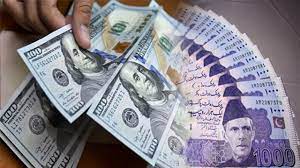

Understanding the Dollar to PKR Trend
The exchange rate between the US Dollar and the Pakistani Rupee has always been a topic of great interest for individuals, businesses, investors, and overseas Pakistanis. The value of dollar to PKR reflects not only the strength of the national currency but also the economic policies, market pressures, and financial developments taking place within the country. As global trade expands and digital payments become more prominent, the importance of tracking the dollar to PKR rate has increased even further. People rely on this exchange rate to plan investments, calculate remittances, manage import expenses, and make informed financial decisions.
Why Dollar to PKR Matters for the Pakistani Economy
The connection between the dollar and the Pakistani rupee goes far beyond everyday currency exchange. Pakistan imports a significant portion of products, energy resources, machinery, and raw materials from international markets. These payments are made in US dollars, meaning the dollar to PKR rate has a direct impact on the cost of essential goods and commodities. When the dollar strengthens, import costs rise, leading to higher prices for manufacturers and consumers. Similarly, when the rupee stabilizes or appreciates, the pressure on importers decreases, creating a more balanced economic environment.
Impact of Global Markets on the Dollar to PKR Conversion
The global financial market plays a major role in shaping the dollar to PKR movement. Factors such as interest rate decisions by the US Federal Reserve, geopolitical events, international oil prices, global inflation trends, and global investor sentiment all contribute to the value of the dollar. When the international economy shifts, currencies around the world react immediately. Pakistan, like many developing countries, often experiences rapid fluctuations due to global announcements and market uncertainties. These global influences make the dollar to PKR rate unpredictable at times, which is why financial analysts closely monitor international reports and economic indicators.
Local Factors Driving Dollar to PKR Fluctuations
While global events significantly influence currency trends, local economic factors also play a crucial role. Government policies, foreign reserves, investment flow, exports, and overall market confidence all shape the value of the rupee. When foreign reserves increase, the rupee tends to stabilize because the country can comfortably make international payments. Similarly, improvements in exports and remittances help strengthen the Pakistani rupee. On the other hand, political instability, high import bills, and uncertain market conditions can weaken the rupee, resulting in a higher dollar to PKR conversion rate. Understanding these local factors is essential for predicting future currency movements.
The Role of the State Bank of Pakistan in Exchange Rate Stability
The State Bank of Pakistan monitors the currency market closely and takes steps to stabilize sudden fluctuations. Through policy rate adjustments, monitoring foreign exchange markets, and implementing financial regulations, the central bank tries to maintain stability in the dollar to PKR exchange rate. Market interventions occasionally occur when volatility becomes too high and threatens economic balance. These measures provide temporary stability and help manage inflation, import costs, and overall market sentiment. The actions taken by the central bank are highly influential and often reflected immediately in currency trading.
How Inflation Affects Dollar to PKR Movement
Inflation is a major factor in determining the value of any currency. When prices rise too quickly within a country, the purchasing power of the local currency drops. In Pakistan, inflation has had a significant impact on the rupee’s strength over the years. Higher inflation makes the rupee less valuable compared to stable currencies like the US dollar. This imbalance leads to an increase in the dollar to PKR exchange rate. Controlling inflation through monetary policy, price monitoring, and fiscal discipline is essential for maintaining a stable conversion rate and ensuring long-term economic growth.
Effect of Imports and Exports on Currency Exchange
The balance between imports and exports is directly connected to the USD dollar to PKR today rate in pakistan. Pakistan’s import needs are large due to its reliance on international goods, machinery, and petroleum products. When the import bill rises and export earnings remain low, the country experiences a current account deficit. This deficit puts pressure on the rupee, making the dollar more expensive. However, when exports grow or new trade partnerships strengthen international earnings, the rupee gains value. Improving the export sector is one of the most effective ways to stabilize the dollar to PKR rate, which is why businesses and policymakers emphasize export diversification.
Impact of Remittances on the Dollar to PKR Exchange
Remittances from overseas Pakistanis play a key role in strengthening the rupee. Millions of Pakistanis working abroad send money home regularly, contributing significantly to the nation’s foreign exchange reserves. When remittances increase, the supply of dollars in the local market rises, which helps stabilize the dollar to PKR rate. These inflows support economic stability, improve household income, and boost the country’s financial health. Remittances have consistently been a reliable source of foreign exchange, making them crucial for maintaining balance in the currency market.
Investment Trends and Their Effect on Dollar to PKR
Foreign investments, both direct and portfolio-based, have a strong influence on the exchange rate. When investors bring capital into Pakistan, the demand for local currency increases, helping the rupee strengthen. Stable policies, investment-friendly regulations, and secure financial structures attract more foreign investment. Conversely, when investors withdraw their capital due to uncertainty or unfavorable conditions, the rupee may weaken. This is why investment trends are closely linked to the dollar to PKR conversion rate and why policymakers emphasize creating a stable environment for businesses and investors.
Digital Transactions and Currency Exchange in Modern Times
With the rise of digital banking, online transfers, and mobile financial services, accessing exchange rates has become easier than ever. People track dollar to PKR updates in real time using mobile apps and digital financial platforms. This shift toward digital solutions has increased transparency and consumer awareness. Online platforms show live currency updates, historical charts, and conversion tools that help individuals and businesses make better financial decisions. The digital shift has brought convenience and clarity to the exchange market, reducing misinformation and improving financial planning.
Dollar to PKR and Its Impact on Daily Life
Currency fluctuations do not affect only businesses and international traders. They influence the everyday lives of people across Pakistan. When the dollar strengthens, the prices of imported medicines, electronics, machinery, and even food items rise. Fuel costs increase, leading to higher transportation and production expenses. This chain effect impacts household budgets and overall living costs. When the rupee stabilizes or strengthens, the pressure on everyday consumers decreases. This direct link between dollar to PKR and daily life highlights why people pay close attention to exchange rate trends.
Future Outlook of the Dollar to PKR Rate
Predicting the exact future of any currency is difficult, but economic indicators give a general direction. The future of the dollar to PKR rate depends on financial reforms, global market stability, foreign investment, and improved exports. If Pakistan strengthens its economic fundamentals and boosts production and trade, the rupee may experience long-term stability. However, external pressures, global uncertainty, and political challenges can influence the rate. Analysts believe that consistent policy-making, improved fiscal management, and technological advancement in the financial sector can bring more stability in the coming years.
Conclusion: The Ongoing Journey of Currency Stability
The dollar to PKR exchange rate reflects the condition of the economy, the confidence of the market, and the impact of global financial currents. Understanding the factors behind this movement helps individuals, businesses, and policymakers make better financial decisions. As Pakistan continues to develop its economic structure and strengthen international partnerships, the goal remains to maintain a stable and balanced currency environment. The journey toward stability may be long, but informed decisions and strategic planning can support a healthier exchange rate and a stronger financial future for the country.