When a tree is removed from a property and the stump is ground down, many homeowners feel relieved that the visible problem is gone. However, questions often remain about what happens underground — specifically to the roots that once anchored the tree. Understanding this process can help you ensure your yard recovers properly and remains healthy over time.
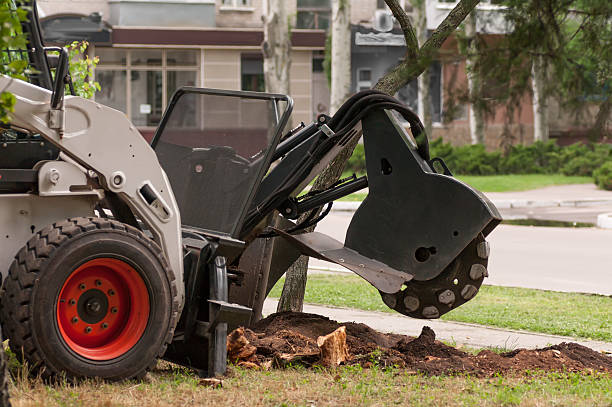
In the process of grinding a stump, the central trunk and the immediate root flare at the surface are removed, leaving behind the deeper radial roots that once stretched outward. That’s why dealing with a grinded tree stump is only the first step — the remaining roots and their decomposition are equally important for the post‑removal health of your soil and landscaping.
What Remains After Grinding
When a stump is ground, a substantial portion of the woody mass is shredded into chips, but many of the root structures — especially the larger lateral roots — remain below ground. These roots can extend several feet away from the original stump, often undisturbed during grinding. What remains underground is typically a complex network of roots — some thick, some fine — all gradually left to decay naturally.
Because these roots are buried and not exposed to air, their decomposition happens slowly over time. Microorganisms, fungi, and soil bacteria work gradually to break down the wood fibers, feeding off the nutrients stored there. As decomposition proceeds, those woody roots shrink, soften, and ultimately vanish — though this can take several months to several years depending on soil conditions, moisture, and temperature.
Why Root Decomposition Matters
The slow decay of roots after stump grinding plays an important role in soil health:
- Nutrient recycling: As roots decompose, they release nutrients back into the soil—like nitrogen, phosphorus, and potassium— which can benefit future plantings.
- Soil aeration and structure: Roots leave voids as they decay, creating natural channels that improve soil aeration and water drainage. This helps roots of new plants penetrate deeper and grow more robustly.
- Stabilizing soil settlement: Though roots disappear, the process is gradual, giving soil time to settle slowly rather than sink abruptly, which might crack concrete or cause uneven lawns.
Potential Drawbacks — and What to Watch For
Even though roots eventually decompose, there are a few drawbacks and precautions to keep in mind:
- Delayed planting: Planting a new large tree too soon over the old root system may be problematic because decaying roots can leave voids that cause the new tree’s roots to collapse or to fail in establishing properly.
- Resprouting (rare): If any part of the stump or root mass remained alive — for instance, in species that regrow vigorously — new shoots might emerge. Although stump grinding reduces this risk significantly, it’s still wise to monitor the site for signs of sprouting.
- Soil compaction or sinkage: Over time, as roots decompose and soil settles, low spots may form. The severity depends on the size of original root network and local soil conditions.
Best Practices After Stump Grinding
To help ensure a smooth transition after stump grinding, consider these recommendations:
- Fill the void promptly: Once grinding is complete, fill the hollow left by the stump with a mix of topsoil and compost. This helps support healthy soil structure and vegetation growth.
- Allow time before planting: For large trees, wait at least 6 to 12 months before planting another tree at the same spot. This gives roots time to decompose and soil to settle. For smaller shrubs or grass, you might replant sooner.
- Monitor for regrowth: Keep an eye on the area for any new shoots. If you see sprouting, remove them quickly to prevent new growth.
- Consider soil testing: If you intend to plant a garden or lawn, conduct a soil test. Root decomposition can temporarily alter nutrient levels or pH — soil testing helps you adjust fertilization or amendments for optimal plant health.
Long-Term Soil Benefits
In the long run, letting the root system decompose naturally yields benefits: improved soil fertility, better drainage, and a healthier structure for future plantings. The channels left by decayed roots help water and oxygen reach deeper soil layers, encouraging deeper root growth for new plants. Essentially, the ground becomes more fertile and better aerated — often better than before the tree existed.
Additionally, the gradual decay process avoids sudden soil collapse. Instead, as roots break down slowly, the soil settles gradually — minimizing risk of ground disturbance, cracked patios, or uneven lawns. Over a season or two, that former stump site can become one of the most fertile areas in your yard.
Conclusion
Understanding what happens to roots after stump grinding helps you manage your yard more effectively. The process of decomposition, while gradual, brings many benefits — from nutrient recycling to improved soil structure. By following proper post‑grinding care, you can ensure that the area recovers smoothly and becomes ready for new plants. For reliable stump grinding and expert guidance on root removal and soil restoration, trust treemendoustreecarellc — we help ensure safe, thorough work and a healthier landscape moving forward.