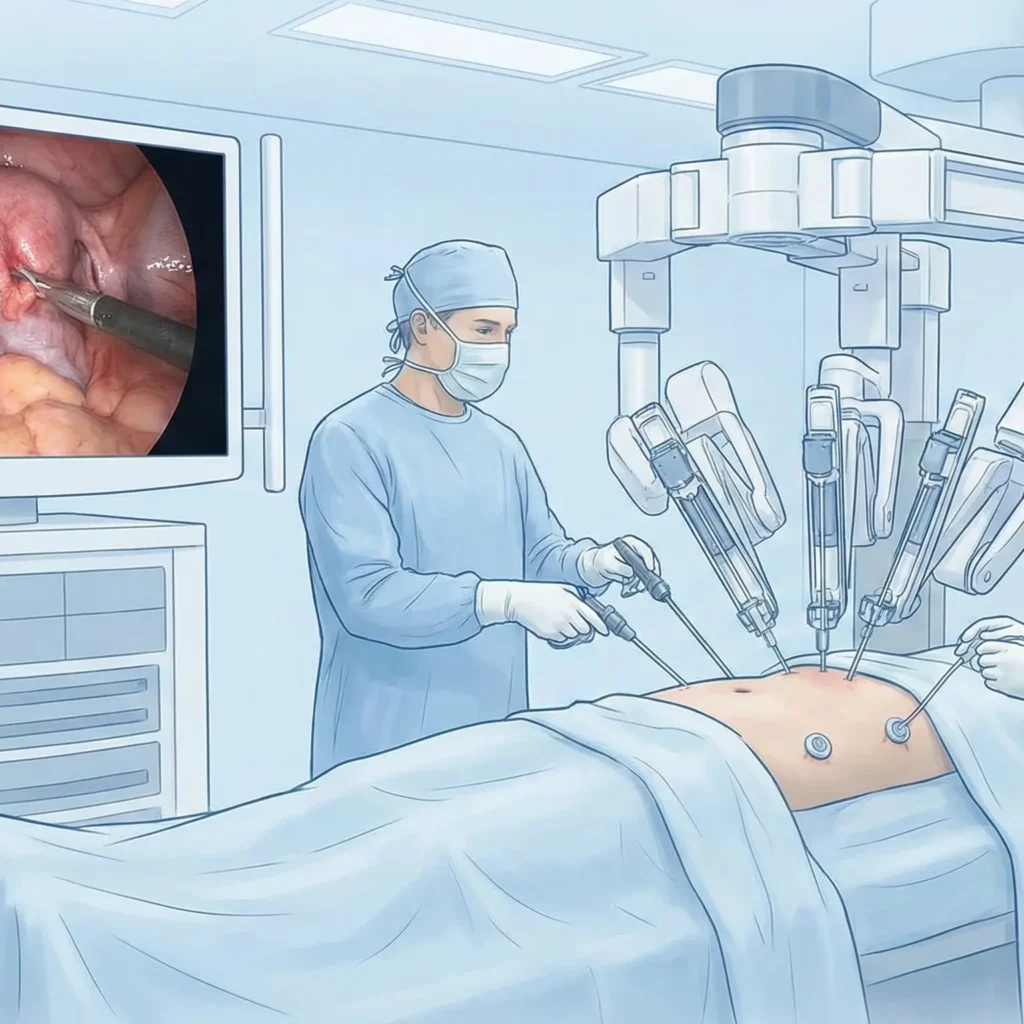

Advancements in women’s health have transformed the way gynecologic treatment is performed. Today, many conditions that once required large incisions can now be managed through minimally invasive gynecology, including laparoscopic surgery and robotic gynecologic surgery. These techniques offer faster recovery, smaller scars, less pain, and better outcomes for patients.
But when should a woman consider minimally invasive surgery? Let’s explore the most common conditions and benefits.
What Is Minimally Invasive Gynecology?
Minimally invasive gynecology uses small incisions and advanced tools to perform surgical procedures.
The most common techniques include:
- Laparoscopic surgery
- Robotic-assisted gynecologic surgery
Both offer precision and faster healing compared to traditional open surgery.
Conditions That Benefit from Minimally Invasive Surgery
1. Uterine Fibroids
Women suffering from:
- Heavy periods
- Pelvic pain
- Pressure symptoms
may benefit from fibroid treatment through laparoscopic or robotic surgery. These methods remove fibroids while preserving the uterus whenever possible.
2. Ovarian Cysts
Many ovarian cysts resolve on their own, but large or painful cysts may require surgical management.
Ovarian cyst treatment using minimally invasive techniques ensures better recovery and minimal tissue damage.
3. Endometriosis
Laparoscopic surgery is the gold standard for diagnosing and treating endometriosis. It helps remove scar tissue and restore fertility while reducing pain and inflammation.
4. Hysterectomy
When a woman requires uterus removal due to:
- Adenomyosis
- Large fibroids
- Abnormal bleeding
- Cancer risk
A laparoscopic or robotic hysterectomy offers a safer, quicker alternative to open surgery.
5. Pelvic Floor Disorders
Conditions like prolapse and urinary incontinence can also be treated with minimally invasive approaches, restoring comfort and quality of life.
Advantages of Minimally Invasive Gynecologic Surgery
Women today prefer advanced care because of clear laparoscopy benefits, including:
- Smaller and cosmetic scars
- Less postoperative pain
- Reduced blood loss
- Quicker hospital discharge
- Faster return to work
- Higher surgical precision (especially with robotic systems)
With better technology, minimally invasive procedures provide excellent outcomes in advanced gynaecology.
Who Is a Good Candidate?
A gynecologist may recommend these procedures if a woman has:
- Persistent pelvic pain
- Chronic heavy bleeding
- Recurrent cysts
- Difficulty conceiving
- Symptomatic fibroids
- Failed medical therapy
A detailed consultation and imaging help determine the best surgical approach.
Role of Robotic Gynecologic Surgery
Robotic systems offer enhanced:
- 3D visualization
- Range of motion
- Surgical accuracy
This makes robotic gynecologic surgery especially beneficial in complex cases involving severe adhesions, endometriosis, or oncologic procedures.
Conclusion
Minimally invasive gynecology has revolutionized women’s healthcare. Whether for fibroid treatment, ovarian cyst removal, or hysterectomy, procedures like laparoscopic and robotic surgery provide safer, faster, and more effective results.
Women experiencing persistent gynecologic symptoms should consult a specialist to explore these modern treatment options and take a confident step toward better health.