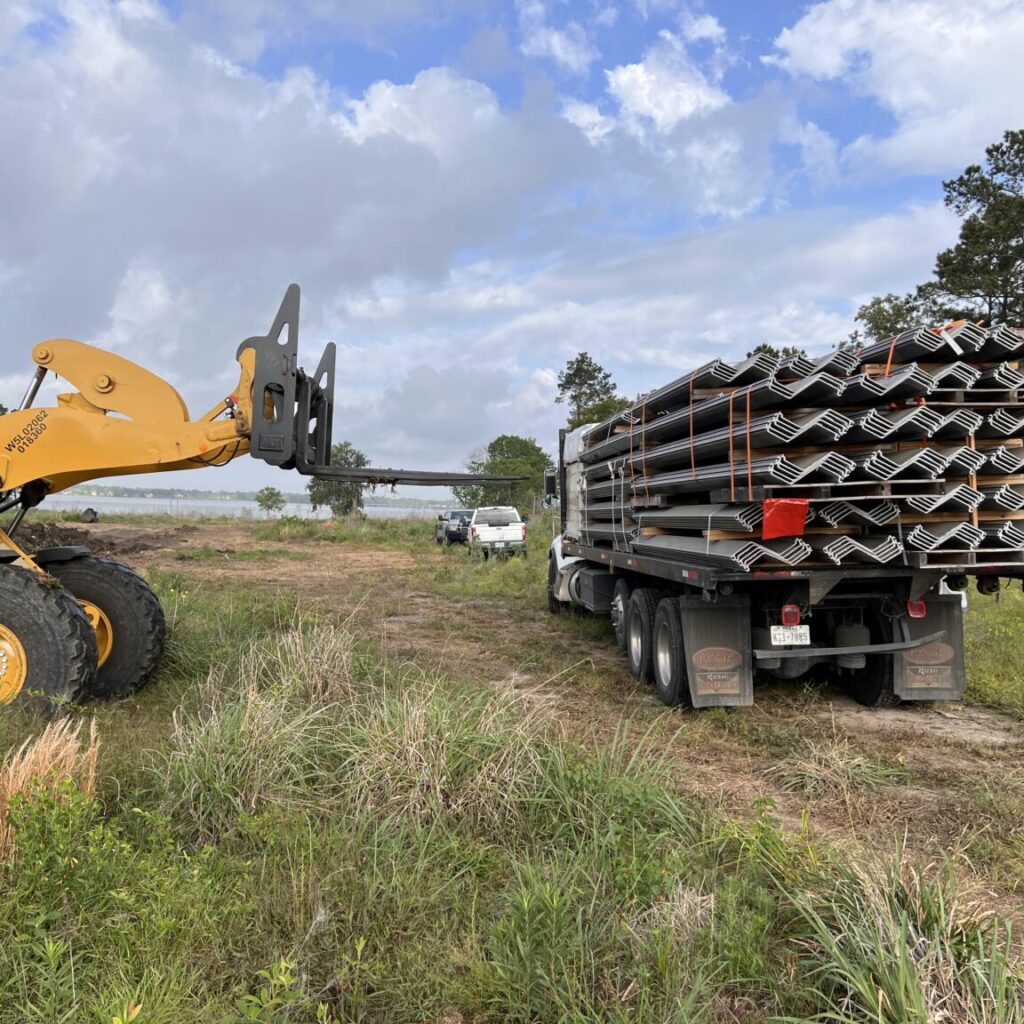

Why Pier Installation Is More Than Just Driving Some Posts
A lot of folks think pier installation is just, you know, grab some treated posts, slam them in the lake bed, throw boards across the top, and call it a day. That’s how you end up with a crooked hazard taped off after the first big storm. A pier is a structure, not a weekend craft project. It’s taking live loads from people, maybe vehicles or carts, plus the constant beating from waves, wakes, wind, and water level swings. If you’re in a place that freezes, add ice pressure to the list. So when you start looking into pier installation and calling around to dock contractors, you’re not shopping for the cheapest lumber; you’re hiring someone to build a foundation in mud you can’t even see. That means soil conditions, water depth, bottom composition, exposure to waves, and how you actually plan to use the thing, all need to be part of the conversation before the first pile ever hits the water.
Planning Pier Installation Around Your Water, Not Your Wish List
Here’s where people get in trouble. They start with a Pinterest board instead of their shoreline. They want a huge “T” pier, maybe two boat slips, space for a bar, plus a swim platform. But they never really ask what the water wants to do there. Real planning for pier installation starts with standing on your bank and watching. How does the wind usually hit? Are there strong currents? How busy is the boat traffic, and what kind of wakes roll through? What’s the bottom like, soft muck or firmer sand or rock? Good dock contractors will probe the bottom, sometimes even bring in simple testing tools or divers for deeper projects, because that tells them what they can actually anchor into. They’ll also look at your shoreline erosion, existing bulkheads or seawalls, and how far out you can legally go. Your pier layout should be shaped by that reality. Then you layer your wish list on top of it, not the other way around.
Choosing Materials That Survive Real Life On The Water
Not all boards and piles are created equal, and water is pretty unforgiving when you cheap out. With pier installation, you’re usually choosing between treated wood, composite decking, concrete, and sometimes steel or aluminum elements. Treated wood is common because it’s affordable and familiar, but the treatment level and species matter more than you think. That bargain “treated” 2×6 from the big box store is not the same as marine-grade lumber meant for pilings and structural framing. Composites look nice and are low-maintenance on top, but they still rely on a solid substructure underneath, and they can get hot as hell in full sun. In saltwater, fasteners and connectors become a bigger deal. Stainless, hot-dipped galvanized, proper brackets, those are the difference between a pier that slowly ages and one that just starts dropping pieces into the water. Good dock contractors talk about materials like they matter, because they do. You want someone who can explain why they’re choosing a certain pile type and coating, not just saying “It’s what we always do.”
Fixed Pier Installation Versus Floating Docks: What Actually Fits
People love to argue about fixed piers versus floating docks, like there’s one right answer. There isn’t. It depends on your site and your goals. Fixed pier installation means your structure is locked into the bottom with piles. Rock solid feel underfoot, good for heavy loads, works great where water levels don’t swing too wildly or where you need a super steady platform, like for boat lifts or fuel stations. But if your lake or river jumps up and down a lot, fixed can get tricky. Suddenly your boat is hanging below or banging against the deck. Floating systems ride with the water, so access stays consistent, but the anchoring setup becomes more complicated, and they can feel a little “loose” in rough conditions. A lot of smart dock contractors blend the two ideas: fixed access pier out from shore, then a floating section at the end. That way you get a solid walkway and some flexibility for boat mooring. The point is, you choose the system that fits your water and your use, not whatever your neighbor did because it looked cool from the road.
What Good Dock Contractors Do Before They Ever Bring A Barge
The biggest difference between pros and pretenders shows up before the equipment even arrives. Real dock contractors start your pier installation with questions, a site visit, and usually a sketch or simple layout drawing. They’re looking at property lines, neighboring structures, navigation channels, and any utilities that might be crossing your shoreline underwater. They’ll talk about elevation of your house, flood levels you’ve seen, and where you want people walking and storing stuff. They’ll also be honest about access. If they can’t get a barge in, or if the shoreline is too soft for heavy machinery, that changes the whole approach. A good contractor explains how they’re going to stage materials, how they’ll protect your yard as much as possible, and what kind of noise and disruption to expect. If someone quotes pier installation over the phone, sight unseen, with one flat price and a suspiciously fast timeline, you’re not talking to a pro. You’re talking to a headache waiting to happen.
Permits, Regulations, And All The Boring Stuff That Matters
Nobody wants to talk permits. I get it. But water is regulated, and for good reason. Piers can block navigation, mess with fish habitats, and change shorelines when done wrong. So depending on where you live, your pier installation may need approvals from local zoning, a lake authority, maybe a state environmental office, sometimes even the feds for certain waterways. There are setback rules from property lines, max lengths, rules about how far out you can go before you’re in the channel, and sometimes even limits on the footprint of covered areas. The better dock contractors in your area already know this landscape. They’ve fought those battles and made those phone calls. Many will roll permitting into their service and handle drawings and submissions for you. It slows the project down, yes, but skipping it can mean fines or being forced to cut your shiny new pier down to size. And that’s a painful way to learn the rules.
Real Costs Of Pier Installation, And Where People Blow Money
Let’s talk money without dancing around it. Pier installation is not cheap if it’s done correctly. You’re paying for heavy equipment, skilled labor, materials that can survive in a harsh environment, and usually some permitting and design time. People get fixated on cost per foot, like that means anything by itself. It doesn’t. Ten feet in knee‑deep water with perfect access is not the same as ten feet in twelve feet of water with soft muck and no barge access. Where folks really blow money is on rework. Hiring the cheapest bidder, getting a wobbly pier with undersized piles, no real bracing, weak connections. Then three years later they’re paying again to tear out and rebuild. Or they undersize the pier the first time, then want to extend it or add a slip, and the original structure wasn’t designed to carry that. A thoughtful design up front, with a contractor who explains phases and future expansion, may cost more on day one but usually saves you serious cash over the life of the structure.
Common Pier Installation Screwups You Want To Avoid
You’d be shocked how often the same mistakes show up. Piles not driven deep enough because the crew hit some resistance and just called it “good enough.” Decking fastened with cheap screws that snap or rust out in a couple seasons. Zero thought about drainage on the approach so the first heavy rain turns your path to the pier into a muddy rut. Or my favorite, building the pier too low for the usual wave action, so you end up with wet boards, slippery algae, and rotten framing way too soon. A lot of bad pier installation also comes from ignoring wind and prevailing waves. If your spot takes wind straight on, you might need heavier framing, more bracing, or different orientation. This is why it pays to hire dock contractors who have actually come back to their projects five, ten years later and seen what held up. The water tells the truth eventually. You want somebody who’s been humbled by that and learned from it, not just bragging about being the lowest bid.
Conclusion: Build The Pier Once, And Build It To Last
End of the day, a pier is supposed to make your life on the water better, not become your new part‑time job dealing with repairs and sagging boards and angry neighbors. Good pier installation starts with respect for the site, honest talk about budget and materials, and a plan that matches how you really use the water, not some glossy flyer. When you’re shopping around, look for dock contractors who’ll stand on the bank with you, answer questions straight, and explain the tradeoffs without sugarcoating it. Ask what they’d do if it was their place. If you get a clear, confident answer that actually fits what you see on your shoreline, you’re probably in good hands. Build it right the first time with a contractor who understands both pier installation and the day‑to‑day reality of living on the water, and that structure will just quietly do its job for years while you focus on fishing, swimming, and tying up the boat, not fighting with Mother Nature and bad workmanship. And yes, make sure those Dock contractors are the kind of people you don’t mind calling back, because they’re building something you’re going to live with for a long time.
FAQs
How long does pier installation usually take from start to finish?
Once permits are in place and materials are on site, a straightforward residential pier installation might take anywhere from a few days to a couple of weeks. Longer or more complex projects, like deep water, covered slips, or multi‑slip setups, can stretch into several weeks. Weather, water levels, and access all play a part in how fast the crew can safely work.
Can I design my own pier and just hire a builder?
You can sketch what you want, absolutely, and that’s actually helpful. But a pier isn’t like a backyard deck where you can wing it and hope. A smart approach is to bring your ideas to experienced dock contractors and let them translate that into something structurally sound and code‑compliant. They’ll tweak spacing, pile size, and layout based on what your shoreline and local rules will actually allow.
Do I really need a professional for small pier installation projects?
For a tiny, temporary swim platform in shallow water, maybe you can DIY something simple. But anything that’s permanent, carries real weight, or sticks out into navigable water is safer in professional hands. The forces on those piles and connections aren’t obvious until something gives way. A pro will size everything correctly and keep you out of trouble with neighbors and regulators.
How do I pick the right contractor for my pier project?
Look for a contractor who does marine work all the time, not just a handyman who “can probably figure it out.” Ask to see older jobs, not just the new, shiny ones. Talk about how they handle permits, bad weather delays, and warranty issues. And pay attention to how they explain things. If they can’t walk you through their pier installation approach in plain language, that’s a red flag.