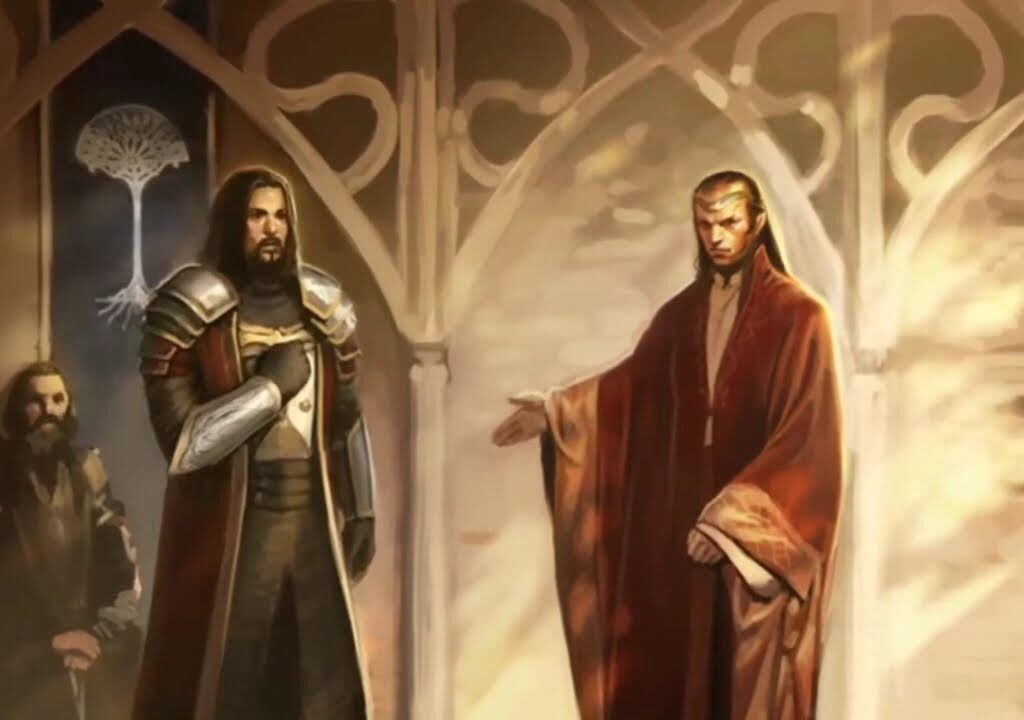

In the expansive world of fantasy literature and literary analysis, few authors manage to bridge deep lore, scholarly insight, and engaging storytelling as effectively as Robert Rastorp. Known for his thoughtful exploration of Middle-earth history and character-driven narratives, Rastorp has carved a distinctive niche among readers who seek more than surface-level fantasy. His work resonates particularly with fans of J.R.R. Tolkien who want to understand not just what happens in Middle-earth, but why it matters.
One of his most notable contributions, The Witch King and the Fates of Arnor and Gondor, showcases Rastorp’s ability to combine rigorous analysis with compelling narrative flow. This article offers an in-depth introduction to Robert Rastorp, his background, his literary approach, and the themes that define his work—making it essential reading for both longtime Tolkien enthusiasts and newcomers alike.
A Passion for Lore and Storytelling
At the heart of Robert Rastorp’s writing is a deep respect for myth, history, and storytelling traditions. Rather than retelling familiar tales, Rastorp delves into the underlying structures of fantasy worlds—politics, power, destiny, and moral consequence. His work demonstrates a clear fascination with how individual figures shape the rise and fall of civilizations.
Rastorp approaches fantasy not merely as entertainment, but as a lens through which readers can examine leadership, corruption, resilience, and legacy. This perspective is especially evident in The Witch King and the Fates of Arnor and Gondor, where historical context and character analysis are interwoven seamlessly.
Who Is Robert Rastorp as an Author?
Robert Rastorp is best described as a literary analyst with the heart of a storyteller. His writing balances academic rigor with accessible prose, making complex lore understandable without oversimplifying it. He writes for readers who enjoy asking deeper questions about fictional worlds:
- How does power corrupt over time?
- What role does fear play in shaping history?
- How do forgotten kingdoms echo into the present?
Rastorp’s work appeals to readers who value nuance, depth, and intellectual engagement. His style is calm, methodical, and reflective—inviting readers to slow down and truly absorb the material.
The Focus on Middle-earth History
While many authors explore Middle-earth through character arcs or epic battles, Robert Rastorp distinguishes himself by focusing on historical consequence. He examines how events ripple across generations and how figures often relegated to the background profoundly influence the course of history.
This approach is central to The Witch King and the Fates of Arnor and Gondor, where Rastorp explores the long-term impact of the Witch King’s actions on the northern and southern realms of Men. Rather than treating the Witch King as a mere villain, Rastorp presents him as a catalyst for political collapse, cultural erosion, and enduring conflict.
An Overview of “The Witch King and the Fates of Arnor and Gondor”
One cannot discuss Robert Rastorp without highlighting The Witch King and the Fates of Arnor and Gondor, a work that exemplifies his analytical depth and narrative clarity.
Core Focus of the Book
The book examines:
- The rise of the Witch King as a strategic force rather than a singular antagonist
- The slow fragmentation and downfall of Arnor
- The long shadow cast over Gondor’s political and military decisions
- The interconnected destiny of the two kingdoms
Rather than centering solely on battles or heroes, Rastorp focuses on systemic decline, leadership failures, and the consequences of fear-driven governance.
Why the Witch King Matters in Rastorp’s Work
In Rastorp’s interpretation, the Witch King is not simply a servant of darkness—he is a symbol of inevitability, manipulation, and psychological warfare. Robert Rastorp frames the Witch King as a figure who understands how to destabilize kingdoms from within, using time, fear, and division as weapons.
In The Witch King and the Fates of Arnor and Gondor, the Witch King becomes a mirror reflecting the weaknesses of human societies. Arnor’s fragmentation and Gondor’s internal struggles are not portrayed as accidents, but as outcomes shaped by choices, neglect, and fear.
Writing Style and Narrative Approach
One of the defining traits of Robert Rastorp’s work is his clear, measured writing style. He avoids overly academic language while still maintaining intellectual depth. His sentences are deliberate, his arguments carefully structured, and his tone respectful of the source material.
Key characteristics of his style include:
- Logical progression of ideas
- Strong historical framing
- Balanced interpretation rather than speculation
- Respect for Tolkien’s original themes
This makes his work ideal for readers who want serious analysis without feeling overwhelmed.
Themes That Define Robert Rastorp’s Work
Across his writing, several recurring themes stand out:
1. Power and Corruption
Rastorp explores how power—especially unchecked—leads to decay. The Witch King’s rise parallels the internal weaknesses of Arnor and Gondor.
2. The Weight of History
In The Witch King and the Fates of Arnor and Gondor, history is not passive. Past decisions actively shape present outcomes, reinforcing Tolkien’s own emphasis on legacy.
3. Fear as a Political Weapon
Fear, rather than brute force, is often the most effective tool of domination. Rastorp’s analysis highlights how fear erodes unity long before armies arrive.
4. Decline Through Division
Arnor’s downfall is portrayed as a cautionary tale about fragmentation—one that echoes across both fictional and real-world histories.
Why Readers Are Drawn to Robert Rastorp
Readers gravitate toward Robert Rastorp because his work respects their intelligence. He doesn’t dictate conclusions; instead, he invites reflection. Fans of Tolkien appreciate how deeply he understands the lore without attempting to rewrite or overshadow it.
His writing is especially appealing to:
- Tolkien scholars and lore enthusiasts
- Readers interested in political and historical analysis
- Fans of morally complex antagonists
- Those who enjoy slow, thoughtful exploration over fast-paced action
Contribution to Tolkien Scholarship
While Robert Rastorp may not position himself as a traditional academic, his work contributes meaningfully to Tolkien scholarship. The Witch King and the Fates of Arnor and Gondor encourages readers to reconsider familiar narratives through a broader historical lens.
By focusing on causation rather than spectacle, Rastorp adds depth to discussions about Middle-earth and reinforces Tolkien’s central themes of decline, hope, and renewal.
Accessibility for New Readers
One of the strengths of Robert Rastorp’s writing is its accessibility. Even readers who are not deeply familiar with Middle-earth history can engage with The Witch King and the Fates of Arnor and Gondor thanks to clear explanations and contextual framing.
Rastorp strikes a balance between depth and clarity, ensuring that:
- New readers are not alienated
- Experienced fans still find fresh insights
- The narrative remains engaging throughout
Why Robert Rastorp’s Work Matters Today
In a world increasingly interested in how societies rise and fall, Robert Rastorp’s exploration of power, fear, and legacy feels especially relevant. His work reminds readers that decline rarely comes from a single moment—it is the result of patterns, choices, and ignored warnings.
Through The Witch King and the Fates of Arnor and Gondor, Rastorp invites readers to reflect not only on fantasy history, but on the broader human condition.
Conclusion
Robert Rastorp stands out as an author who brings clarity, depth, and thoughtful analysis to the rich world of Middle-earth. Through works like The Witch King and the Fates of Arnor and Gondor, he demonstrates that fantasy literature can be both intellectually rigorous and emotionally resonant.
For readers seeking a deeper understanding of Tolkien’s world—beyond heroes and battles—Rastorp offers a compelling guide. His work enriches the lore, challenges assumptions, and invites reflection, making him a valuable voice in modern fantasy analysis.
Whether you are a lifelong Tolkien fan or a reader newly drawn to Middle-earth history, Robert Rastorp’s work offers insight, depth, and a renewed appreciation for the enduring power of well-told stories.