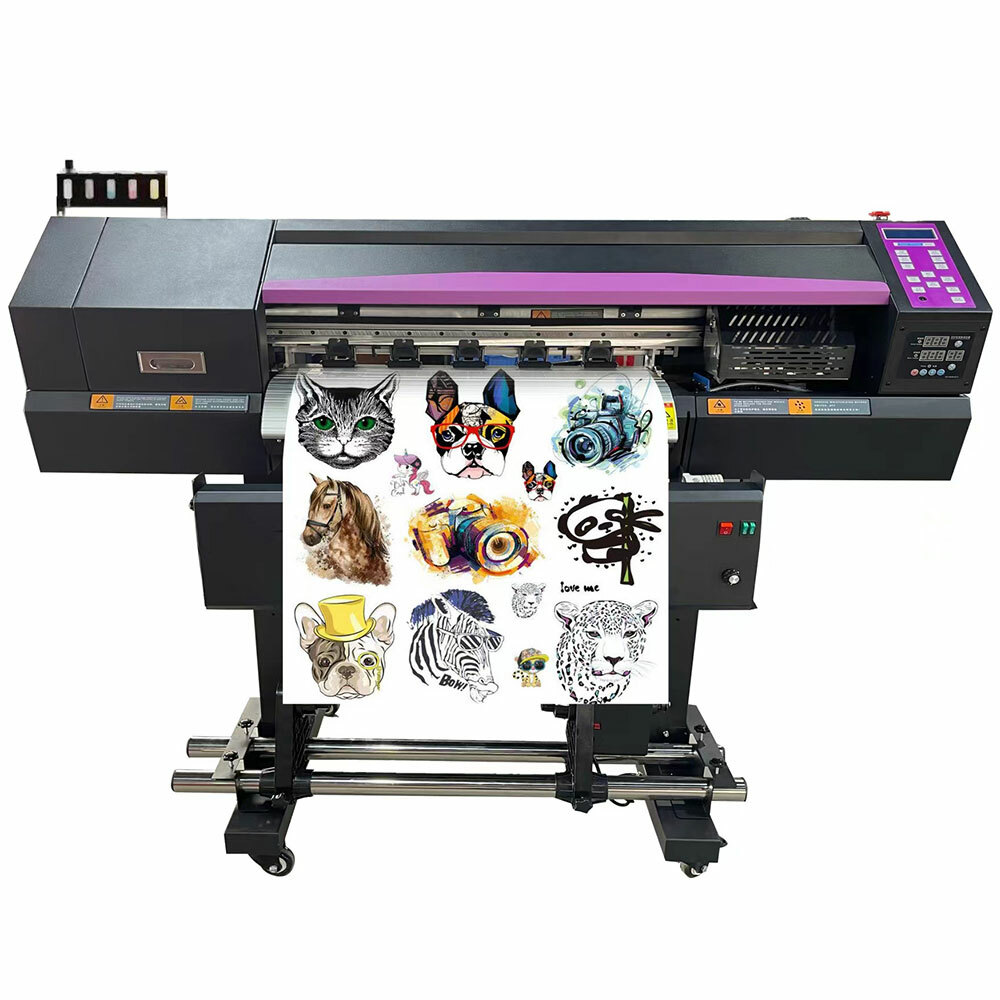

In the rapidly evolving world of custom apparel, one technology has risen to the top for its versatility, durability, and ease of use: the DTF Printer. Over the last few years, Direct to Film printing has disrupted the custom T-shirt market, small business production workflows, and even large-scale print shops. If you’re exploring ways to expand your printing capabilities or thinking about upgrading your equipment, learning why DTF matters—and how it compares to traditional methods—is essential.
In this comprehensive guide, we’ll cover what a DTF Printer is, how the technology works, why so many businesses are searching for DTF Printers for sale, and what you need to know before investing in a system. Whether you’re launching a startup apparel brand or scaling an established print operation, this blog will help you understand how DTF could fit into your production strategy.
What Is a DTF Printer?
A DTF Printer, or Direct to Film Printer, is a specialized printing system designed to print full-color designs onto a clear PET film using textile pigment inks. Once printed, the film is coated with a hot-melt adhesive powder, cured, and then heat-pressed onto fabric.
Unlike Direct-to-Garment (DTG) printing, which requires pretreating garments and works best with cotton, DTF transfers adhere to a wide range of fabric types—including cotton, polyester, blends, nylon, and even dark garments. This versatility is one of the main reasons so many businesses are switching to Direct to Film Printers.
How Direct to Film Printers Work
Understanding the process helps reveal why the demand for Direct to Film Printers is skyrocketing.
1. Print to PET Film
The design is printed onto a special PET film using CMYK + White ink. The white ink serves as a base so the colors remain vibrant on any garment color.
2. Apply Adhesive Powder
A fine polyurethane powder is applied while the ink is still wet. This powder is what causes the design to bond to the fabric during heat pressing.
3. Cure the Film
The powder is melted using a curing oven or heat press. Once cured, the transfer sheet is ready for storage or immediate pressing.
4. Heat Press onto Garment
The cured film is placed on the shirt, pressed at a specific temperature and pressure, and peeled after cooling. This results in a vibrant, flexible print with excellent wash durability.
This simple workflow makes a DTF Printer for shirts one of the easiest production tools to adopt—even for beginners.
Why DTF Is Taking Over the Custom Apparel Industry
1. Works on Almost Any Fabric
Unlike sublimation (limited to polyester) or vinyl (limited in detail), DTF works on cotton, polyester, performance fabrics, tri-blends, canvas, and more. This flexibility makes DTF ideal for businesses selling diverse product lines.
2. No Pretreat Required
DTG requires pretreating garments before printing. With DTF, no pretreatment is needed, reducing labor time and complexity.
3. Better Durability
DTF prints are known for strong wash resistance, often outperforming DTG and screen print transfers.
4. Smooth, Soft Feel
Transfers created with a DTF Printer have a smooth, flexible hand feel—much softer than vinyl and comparable to high-quality screen prints.
5. Perfect for Small or Large Orders
Print shops often struggle with small, multi-color orders because screen printing requires labor-intensive setup. DTF eliminates this problem. Whether printing one shirt or one hundred, the process is fast and consistent.
Who Should Consider a DTF Printer for Shirts?
A DTF Printer for shirts is ideal for:
- Custom apparel startups needing a versatile printing solution
- Etsy sellers and online print-on-demand stores
- Brick-and-mortar print shops
- Screen printers wanting to add digital options
- DTG owners looking for a low-maintenance alternative
- Embroidery shops wanting to expand into apparel decoration
If your business model involves decorated apparel in any form, DTF can greatly increase your product offerings and reduce dependence on outsourcing.
Choosing the Right DTF Printer
With the demand rising, there are hundreds of DTF Printers for sale—but not all machines are created equal. Before choosing a system, consider the following:
1. Print Width
You can choose from:
- Desktop DTF printers (A4/A3) for hobbyists and small shops
- 12-inch roll printers for mid-size production
- 24-inch and 30-inch roll printers for high-volume shops
Your product range and production goals should guide your choice.
2. Ink Quality
Low-quality inks can clog printheads or create dull prints. Always choose a printer that uses stable, high-pigment DTF inks.
3. Automated Powder Shakers
A roll-fed system with an integrated powder shaker and curing oven drastically speeds up production.
4. Support and Maintenance
DTF printers require regular cleaning and proper storage. Invest in a brand with strong technical support and accessible replacement parts.
5. Total Cost of Ownership
Factor in:
- Ink costs
- Film and powder expenses
- Replacement parts
- Maintenance supplies
A cheaper machine may end up costing more long term if it requires expensive repairs or frequent downtime.
DTF vs. DTG vs. Screen Printing
DTF vs. DTG
- DTG excels at soft, breathable prints on cotton.
- DTF works on nearly all fabrics and doesn’t require pretreatment.
- DTF is generally faster for multi-color designs and small batches.
DTF vs. Screen Printing
- Screen printing is cost-effective for large runs.
- DTF is superior for small runs and full-color artwork.
- DTF eliminates the need for screens, setup labor, and cleanup.
DTF vs. Vinyl
- Vinyl is limited in detail and time-consuming to weed.
- DTF prints photo-quality images with no weeding required.
Are DTF Printers Worth the Investment?
Absolutely—if your business requires high-quality apparel decoration with minimal limitations. A DTF setup provides:
- Fast turnaround
- Low learning curve
- Excellent durability
- Compatibility with many fabrics
- The ability to print ahead and store transfers
Most print shops report a return on investment within months, especially those offering on-demand custom shirts.
Final Thoughts: The Future of Apparel Printing Is DTF
As the custom apparel market grows more competitive, businesses are looking for equipment that offers flexibility, speed, and quality. A DTF Printer checks all of these boxes, making it one of the most powerful tools available today. Whether you’re exploring DTF Printers for sale to upgrade your current setup or simply want to understand why Direct to Film Printers are trending worldwide, the message is clear: DTF printing is here to stay.
For anyone ready to elevate their custom apparel business, investing in a DTF Printer for shirts can open the door to new possibilities—more fabric choices, faster production, and a more efficient workflow from start to finish.